There is no place in the entire ecosystem of youth athletics more emotionally explosive, more psychologically fraught, or more unintentionally damaging than the car ride home after sports. Not the tryout. Not the final. Not the moment your kid got benched, shoved, screamed at, or outplayed by a child who looked suspiciously like he files his own tax returns. None of those moments even come close. The real danger lives in the quiet space between the field and the driveway.
The car ride home is where youth sports identities are either cemented or shattered. It’s the silent killer of confidence, the graveyard of joy, the birthplace of resentment, pressure, and stories kids will carry into adulthood whether they want to or not. And the wildest part? Almost no parent sees it coming.
We prepare for everything else. We survive sleep regressions, tantrums, and the dark era of potty training. We navigate homework battles, missed assignments, forgotten cleats, and eighth-grade science fair projects that require more advanced engineering than actual NASA missions. But no one hands you a pamphlet titled, “Congratulations, your child joined a sports team. Here’s how not to emotionally detonate them in your Honda Pilot.” Instead, we learn the hard way—usually at the exact moment our kid stares out the window in stunned silence while we fight every urge in our body to “fix” something.
But today, that changes. Today, we name the villain. We expose the trap. We break down the psychology. We tell the uncomfortable truths. We confess our sins. And then we reclaim the car ride home as the sanctuary it was always meant to be.
This isn’t an article.
This is the manifesto.
The Hidden Passenger You Never Notice

We need to talk about the villain in the passenger seat, because whether you realize it or not, you are never truly alone on the ride home. You think it is just you and your child buckled in, heading toward dinner or homework or whatever fresh chaos awaits in a youth sports household. But there is a third presence wedged between you. It is silent. It is heavy. It changes the temperature in the car. And unless you understand what it is, it will take over the entire drive without you even noticing.
Its name is Youth Sports Pressure Culture.
This villain is not a person. It is not the coach or the referee or the kid who appears suspiciously close to filing taxes. It is an atmosphere. It is made of every whisper you have ever overheard on the sideline, every parent bragging online, every email promising elite training, every comparison to someone else’s child, every quiet fear that your kid might be slipping behind. It is the force that turns a random Tuesday game into what feels like a make-or-break moment for your child’s future.
The Hijacking You Never Feel Happen
Youth Sports Pressure Culture is the voice that spins wild scenarios in your head. If your kid does not fix the mistake right now, they will slip behind the top group. If they fall behind the top group, they may not make the team they want next year. If they do not make that team, varsity becomes unlikely. And without varsity, you can forget about college sports. Suddenly, in your mind, your child is destined to live in your basement forever, eating stale Cheetos while watching highlight reels of other people’s children succeed.
This pressure distorts reality. It convinces calm, loving parents that their child’s progress is a stock chart that must rise every week or disaster awaits. It makes your heart beat faster before you even leave the parking lot. And here is the part parents rarely acknowledge. Your child feels it too. They feel the temperature shift the moment the car doors close. They feel the energy in the front seat. They feel the weight of expectations pressing into the space between you. Even without the words, they know the stakes feel strangely high.
So when you open your mouth to correct or advise or analyze or guide, you think you are helping. You think you are being supportive. But your child hears something completely different. To them, you are no longer the safe parent they know. In that moment, you are speaking with the voice of the Villain sitting beside you.
This is why the car ride home is so dangerous. Not because parents are cruel or careless, but because they never realize they have been emotionally hijacked by a system built on fear.

Capture Every Angle Like a Pro
360° and action footage in one camera. Perfect for highlights, training clips, and never missing a moment. Shop GoPro MAX2.

Train Faster & Smarter
Boost speed, reaction time, and focus with light-based drills athletes actually enjoy. Get BlazePod.

Master the Family Schedule
A giant touchscreen wall calendar that keeps practices, games, chores, and life organized in one place. Shop Digital Calendar.
The Anatomy of the Trap
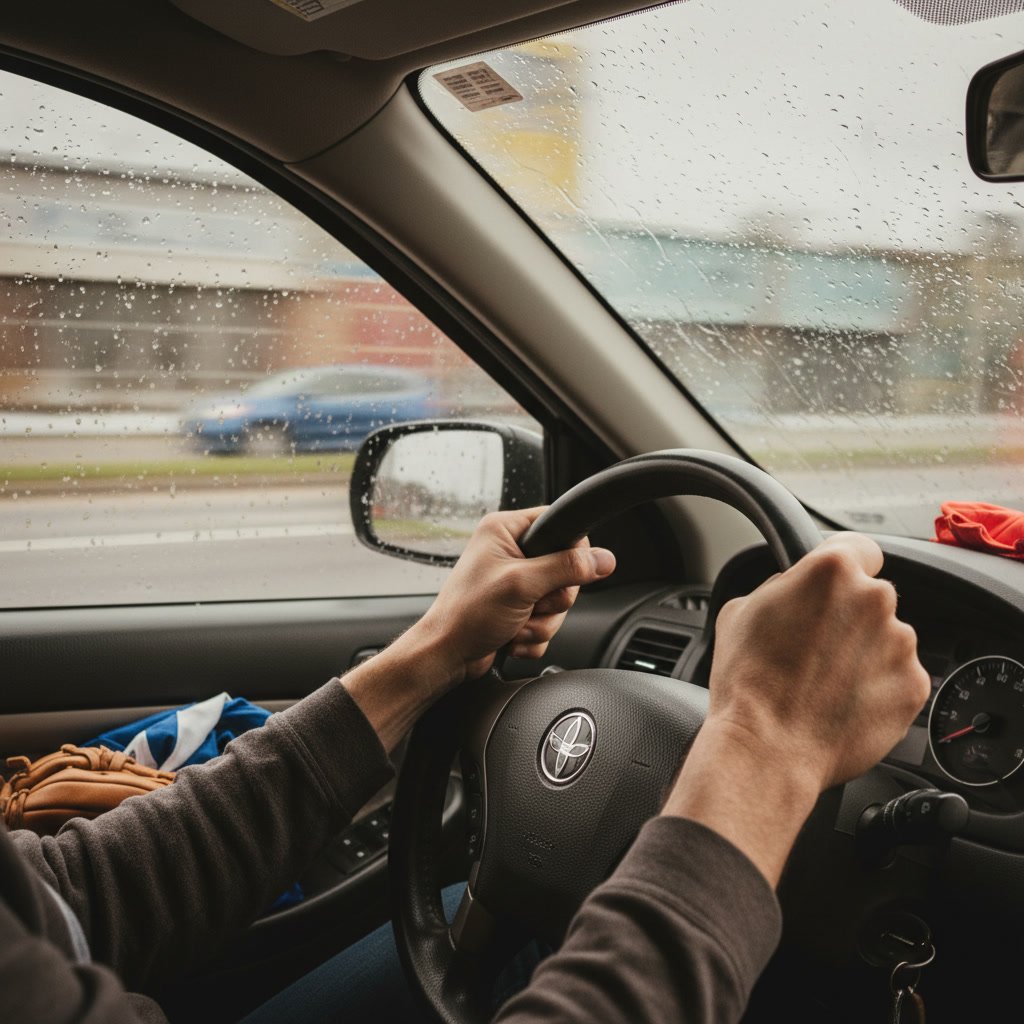
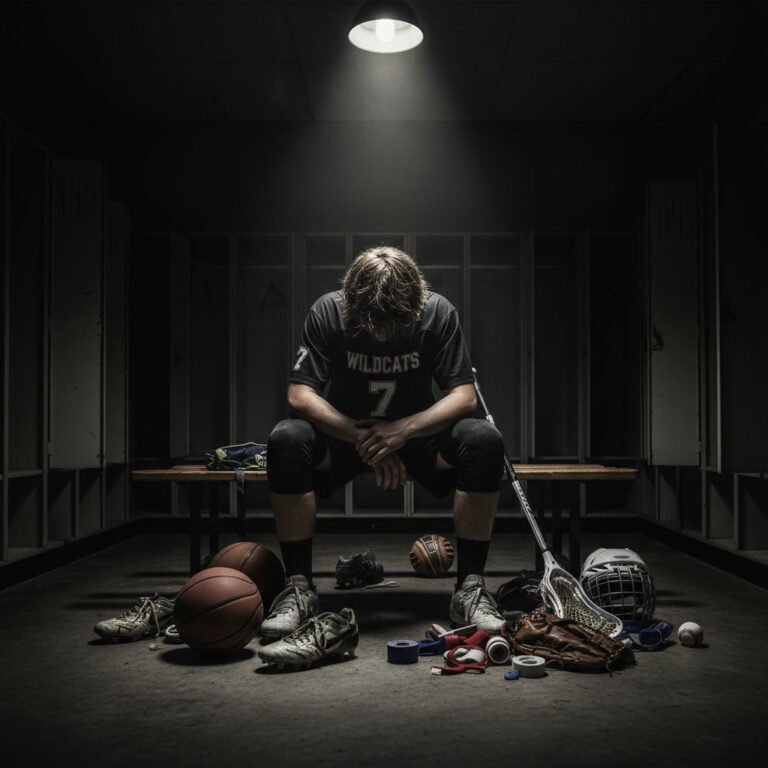
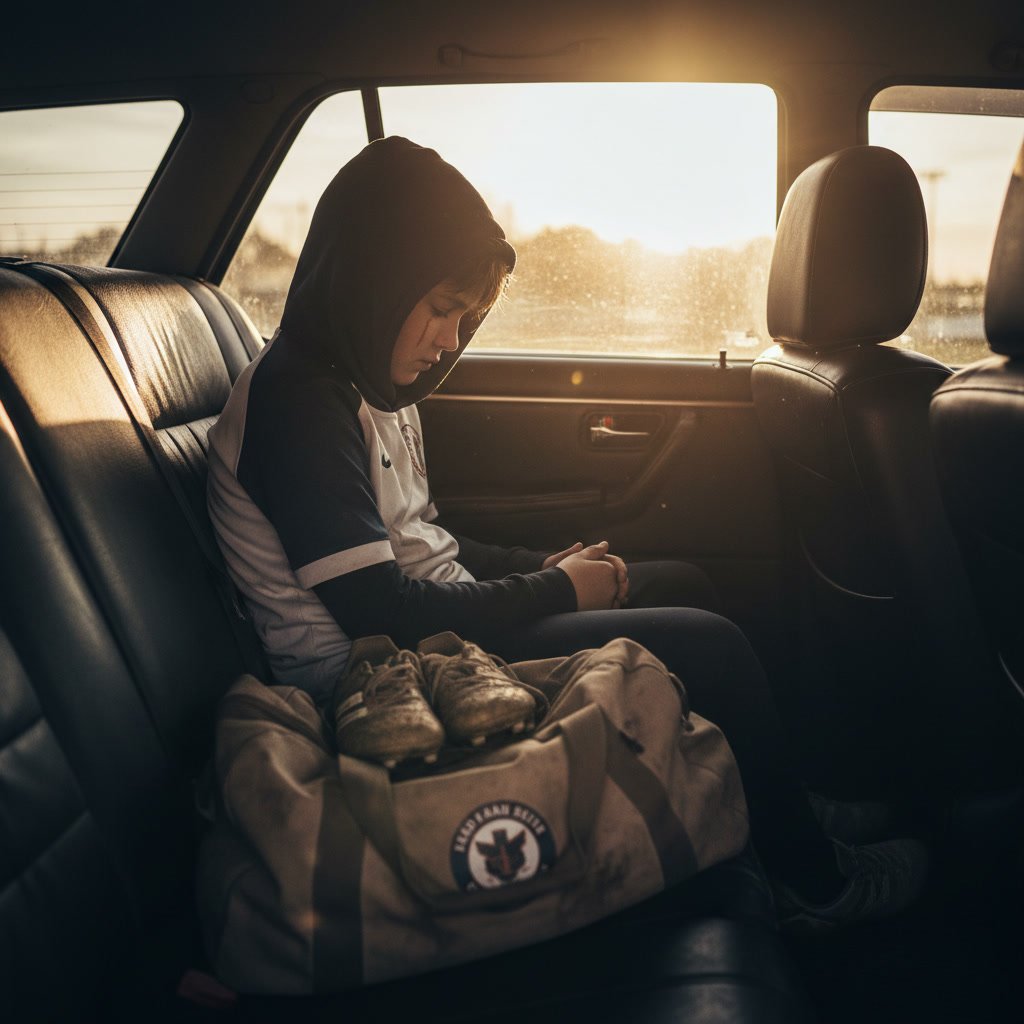
The silence in the car is thick the moment the doors close. It hangs in the air with a weight that feels almost physical. You can feel your kid’s disappointment radiating from the backseat like heat rising off asphalt on a blistering summer afternoon. They stare out the window, watching houses and trees blur past, but they are not seeing any of it. Inside their mind they are replaying every mistake in brutal high definition. The missed trap. The slip through their fingers. The hesitation they wish they could erase. They are trapped inside a personal highlight reel from hell, and the loop refuses to stop.
The Parent’s Internal Spiral
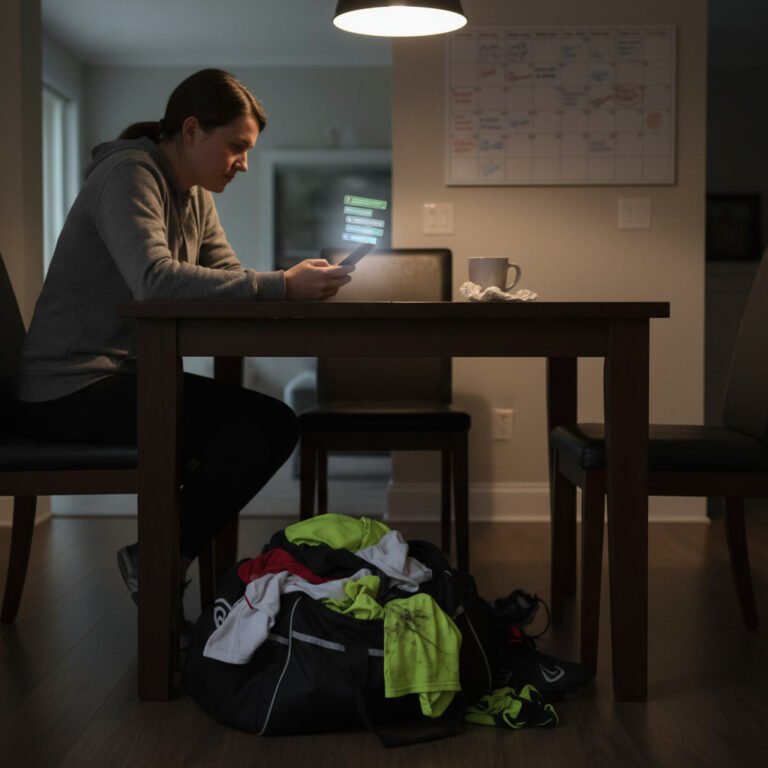
Meanwhile, you sit in the front seat gripping the steering wheel harder than you realize. Your jaw tightens. Your chest feels heavier than it should. The thoughts in your head move fast, faster than the car itself. You think you know exactly where things went wrong. You can pinpoint the hesitation. You remember the position they should have been in during that crucial second play. And somewhere deep inside, a voice whispers that if you could just say the right thing, offer one reminder, or give one tiny piece of advice, everything might feel better for both of you.
Where Good Intentions Turn Dangerous
This is the trap. This is the moment every parent believes they are being helpful when in reality they are standing at the edge of a cliff. One path leads to support. The other leads to unintentional harm. Parents are wired to fix things. It is instinct. When a knee is scraped, we clean it. When homework falls apart, we find a solution. When friendships get messy, we help them navigate the turmoil. Our entire role is built on stepping in when our child struggles.
But the car ride home after a bad game is the one place where fixing becomes breaking.
Why the Trap Is So Hard to Avoid
It does not matter how calm or emotionally intelligent you believe yourself to be. It does not matter how many parenting strategies you have practiced. The car ride home exposes every crack in your emotional armor. It strips away your collected exterior and reveals the anxious, protective parent inside who cannot stand to see their child in pain.
All of it comes from love. When you see your kid hurting, something ancient fires inside your brain. It is a primal alarm screaming to comfort, guide, and fix. It convinces you that silence is neglect and speaking up is care.
The Fear You Accidentally Awaken
But here is the truth most parents never learn until it is too late. The moment you open your mouth to guide, analyze, or advise, you risk awakening your child’s deepest fear. The fear that their worth is tied to their performance. Once you understand that, the trap becomes unmistakable.
The silence is not avoidance. The silence is protection. The silence is the one thing standing between you and a moment that may echo in your child’s memory for years.
The Science of the Fight or Flight Car Ride

Before anything else, it is crucial to understand the biology happening inside your child after a tough game, because the emotional storm they sit in is not random or dramatic. It is physiological. When a young athlete finishes a high intensity game, especially one filled with frustration or disappointment, their body floods with stress chemicals. Cortisol rises. Adrenaline spikes. The amygdala, the brain’s ancient alarm system, activates as if they are in danger. Their heart races. Their breathing tightens. Their muscles tense. Their mind buzzes with noise. They are in a genuine fight or flight state, and their body does not yet know the game is over.
Why the Car Makes Everything Worse
In nature, fight or flight has an outlet. An animal can run until the threat passes or defend itself until the danger ends. Both actions burn through the chemicals flooding the system. But your child cannot do either. They are buckled into the backseat of a car, physically trapped while their body still believes something is wrong. They cannot move. They cannot release the stress. They are stuck in a small metal space with an overstimulated nervous system that has no way to reset. This is why they look distant, frozen, or heartbroken. Their body is still processing intensity while you are already shifting into parent mode.
When Love Sounds Like Pressure
And here is where everything goes sideways. At the exact moment their brain needs silence and stillness, many parents lean over the seat and ask the question they believe is gentle. What happened out there. To an adult, it sounds caring. To a child in fight or flight, it feels like an attack. Their prefrontal cortex, the part of the brain responsible for logic and learning, shuts down during emotional overload. The bridge is out. Nothing gets through. Coaching does not land. Perspective does not land. Advice does not land. Every word becomes pressure on a system already pushed beyond its limit. You are not helping. You are fueling the fire.
Understanding this science does not make you a perfect parent. It makes you a prepared one. Once you truly see what their body is experiencing, you cannot justify diving into a post game breakdown. You begin to understand that silence is not avoidance. Silence is protection. It is the emotional oxygen they cannot create on their own.
The Locker Room Fallacy
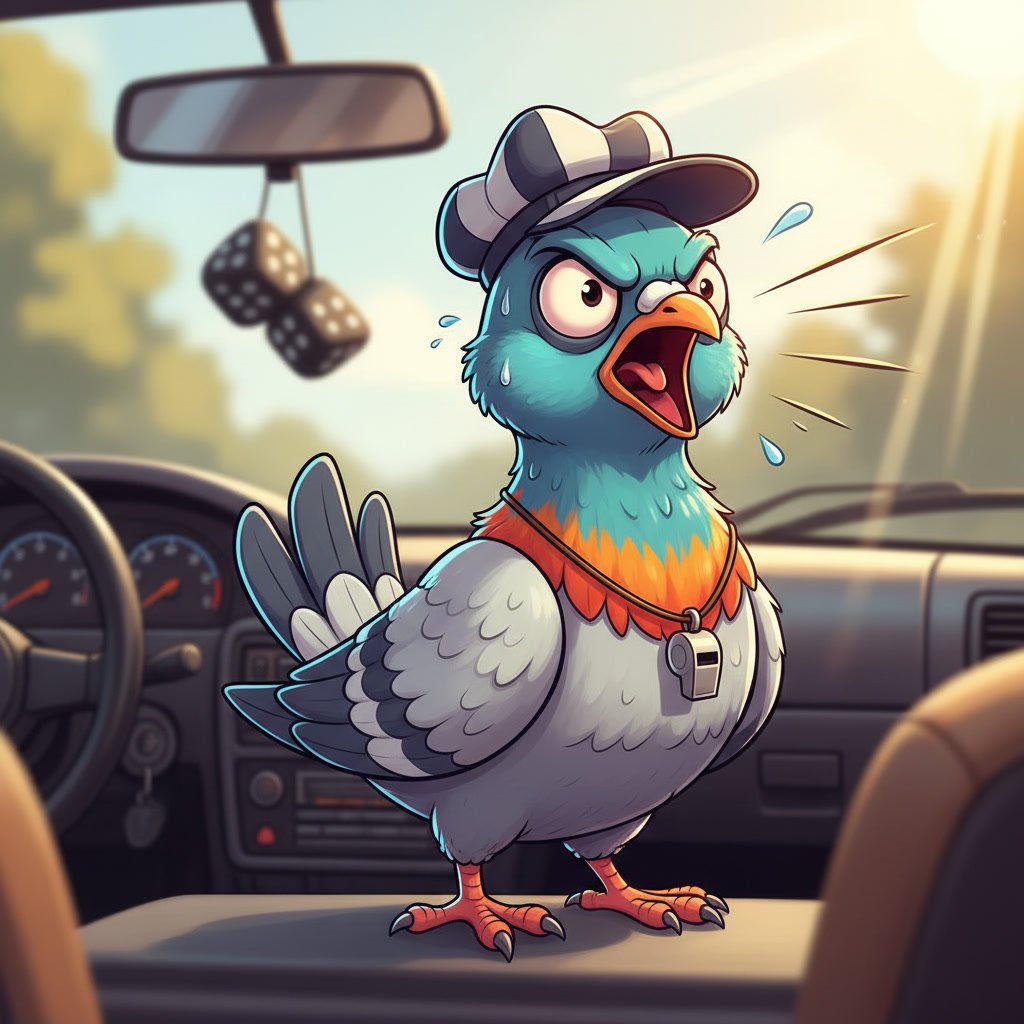
Coach Pigeon’s Chaotic Intervention
Before we go any deeper into the psychology, Coach Pigeon barges in uninvited, as he always does. One moment the car is quiet and the next he is strutting across the dashboard like he pays rent, feathers puffed, eyes wild, and attitude dialed to maximum chaos. SQUAWK. Listen to me, all you hairless mammals gripping your steering wheels like you are preparing to re enter the atmosphere. I see you in the parking lot acting like your minivan becomes a tactical war room as soon as the doors close. But it does not. It becomes a metal container that smells like old shin guards, half eaten granola bars, and the lingering regret of every early morning practice you never wanted to attend. Yet somehow you launch into post game analysis as if you are Pep Guardiola reviewing Champions League footage.
Coach Pigeon is appalled. I have watched pigeons fly straight into glass windows with more grace than most of you manage this conversation. When a baby bird falls from the nest, we do not critique its wing mechanics or ask why its takeoff angle was embarrassing. We pick it up. We give it a worm. We let it breathe. But you determined sideline parents cannot resist turning the drive home into a tactical briefing the moment the seatbelts lock into place.
The Ultimate Snackle Box
A chilled, divided snack tray with an insulated bag — perfect for tournaments, carpools, and chaotic weekends. Get the Snackle Box.
Snack & Meal Prep Made Easy
Stackable, leakproof 16oz containers for team snacks, leftovers, or grab-and-go meals. Microwave + freezer safe. Shop Freshware Containers.
Cold Drinks All Game Long
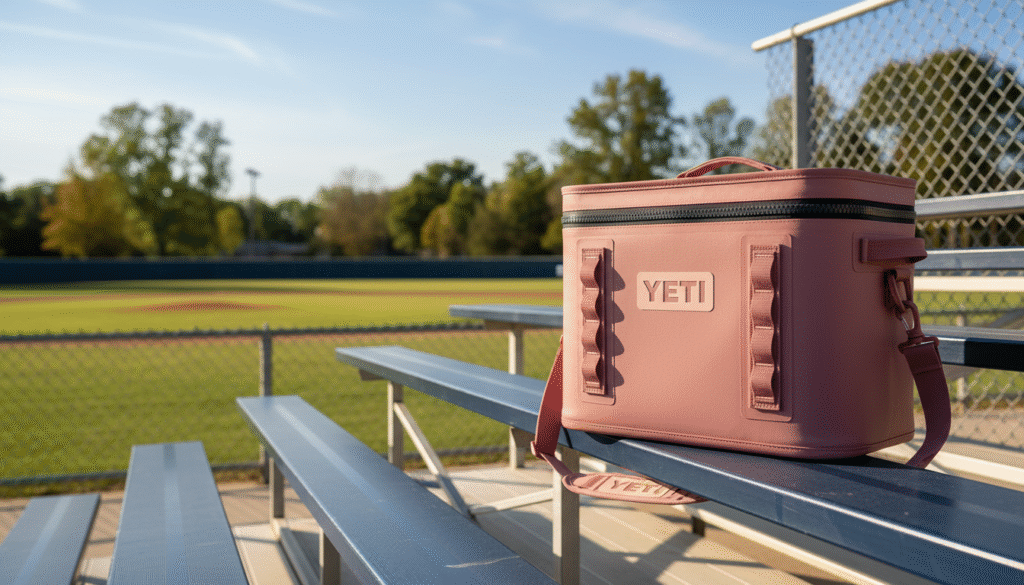
A tough, portable soft cooler that keeps drinks ice-cold from warm-ups to the final whistle. Shop YETI Hopper Flip 18.
Why the Drive Home Cannot Be a Film Session
Your kid already knows the game went badly. They do not need you to narrate the disaster or relive the moment everything fell apart. They certainly do not need your commentary delivered directly into their wounded soul. Silence is golden, but your analysis is pure guano. Coo. Coo. Rage.
And with that, Coach Pigeon flaps off the dashboard, leaving behind the echo of a truth most adults forget. The car is not a classroom. It is not a film session. It is not a post game press conference. It is a fragile space, and you are one sentence away from shattering it. Even a fictional bird can see what so many parents overlook. The ride home is a sanctuary, and the moment you treat it like a locker room, you lose the only safe space your child has left.
The Fear of Worth
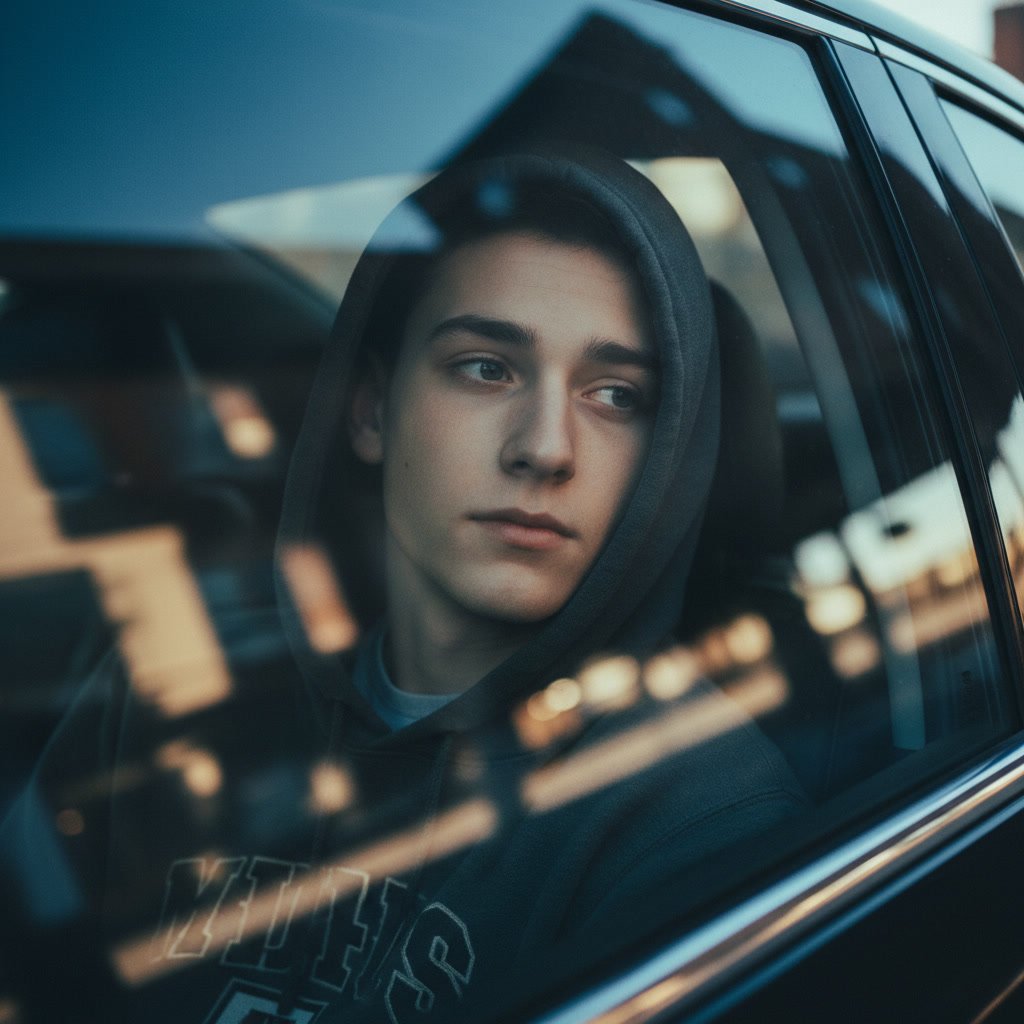
To understand why the car ride home after sports is so dangerous, you have to understand the child sitting behind you. Not the athlete. The child. Beneath the jersey lives a fear they almost never speak out loud.
The question is simple. Am I still enough if I did not play well today.
Kids will never say this at dinner or whisper it in the group chat, but they feel it every time the coach’s tone sharpens or when they walk toward you after a tough game. They feel it when your silence is heavy and your expression is unreadable. And after a bad performance, this quiet fear becomes enormous.
In those moments, a young athlete is deciding whether their worth comes from who they are or how they played.
When a Simple Question Feels Like Judgment
This is why the innocent question parents love to ask What happened out there? can feel like a punch. You think you are opening a conversation. You think you are showing interest. But a vulnerable child does not hear curiosity. They hear evaluation.
They assume you noticed every mistake and are now preparing to replay it. What makes this moment devastating is that kids have already reviewed their errors in brutal detail long before you start the car.
They do not need the director’s cut with parent commentary on top.
They need reassurance that your view of them did not shift with the scoreboard.
When Love and Scoreboards Get Tangled
Everything comes down to one belief: whether your child feels your love is separate from their performance.
If they believe that, the car ride home after sports becomes a place of recovery.
If they do not, it becomes a place of danger.
This emotional fault line runs through every parking lot in America. Most parents never see it. Most kids never explain it. But once you understand it, the entire dynamic of the car ride home after sports becomes impossible to ignore.
The Ghosts We Create
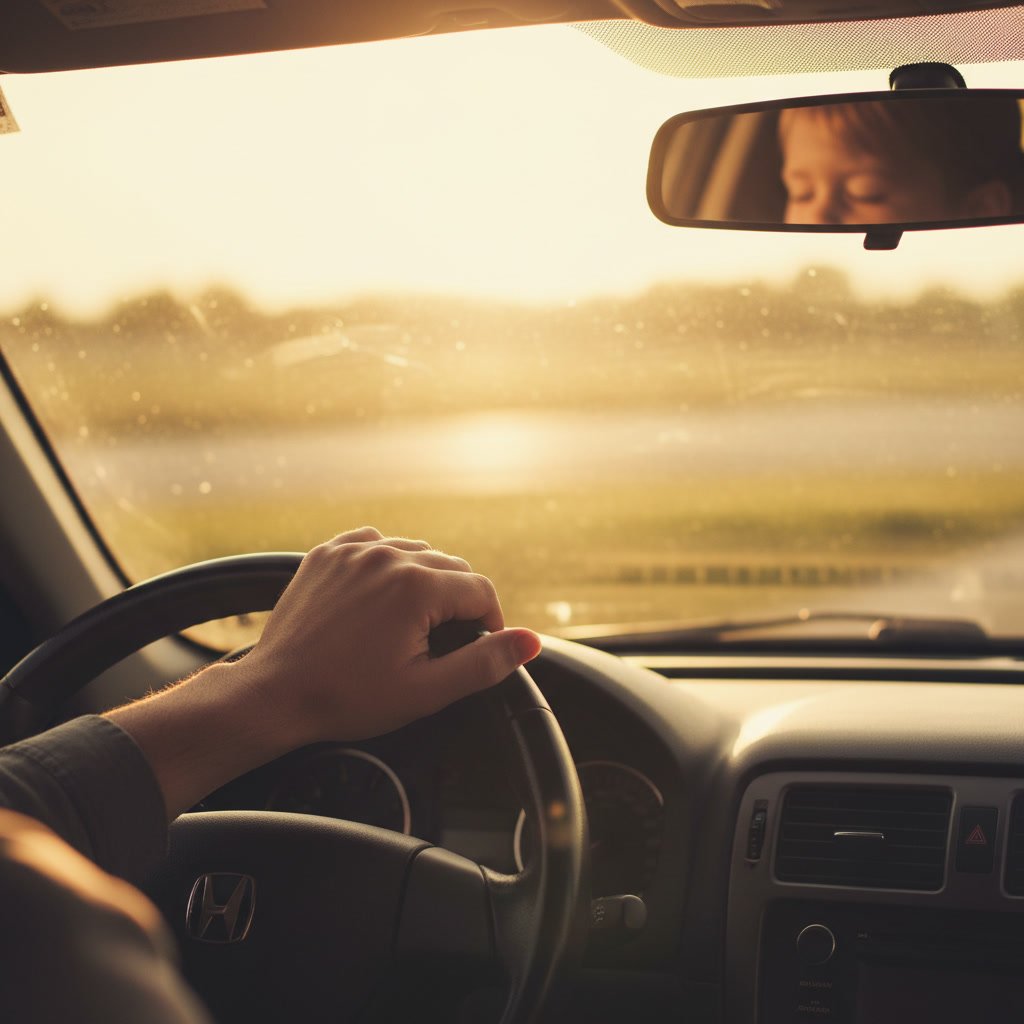
I wish I could say everything I have explained came from wisdom or training, but it didn’t. It came from failure. It came from a moment I would delete from my life if I could. This lesson was earned the hard way, during a game where everything fell apart for my kid. Not a rough game. Not a learning game. A complete unraveling. They were hesitant. They were anxious. Their confidence evaporated with every mistake. By the final whistle, they looked like they wanted to disappear.
I did the typical parent things. I hugged them. I handed them water. I said the right words. And for a moment, it felt like maybe that was enough.
The Silence That Pulled Me Under
Then we got in the car. The silence hit instantly. It was thick, heavy, suffocating. And in that silence, the Villain made its move. Youth Sports Pressure Culture slid into the passenger seat and convinced me that if I cared about my kid, I needed to talk. The whisper felt logical. If I did not say something now, the problem would grow. If I ignored this moment, I was letting them down.
It felt like responsibility. It felt like guidance. It felt like love disguised as urgency.
The Question That Broke Everything
So I did what the Villain urged. I turned down the radio. I cleared my throat. I asked the question that has destroyed more car rides than any fumbled pass or missed shot.
You seemed a little checked out in the second half. Was your head not in it.
The look that met me in the rearview mirror did not contain anger. It did not contain defiance. It contained exhaustion. A quiet, hollow fatigue that hit me harder than anything I had ever seen. My kid held my eyes for a second, then whispered, I know, Dad. I know. And they turned back toward the window. I watched a tear roll down their cheek, reflected in the rain streaking the glass.
The Ghost I Never Meant to Create
In that moment I understood exactly what I had done. I had not helped. I had not soothed. I had not guided. I had become another judge in a world already full of them. I had turned the only safe space they had left into another place where they could fail. And I had confirmed the fear they carried but never said out loud. That my love was tied to their performance.
There is no undoing a moment like that. Once you see the hurt land, you cannot unsee it. Once you feel yourself become the source of it, you cannot forget it. I realized I had created a ghost. A ghost of pressure. A ghost of doubt. A ghost that would sit in the car with them long after the game ended.
The Truth Parents Never Admit
It was in that painful silence that I finally understood something parents rarely say out loud. Silence is not neglect. Silence is not weakness. Silence is not failure. Silence is mercy. Silence is protection. Silence is the emotional oxygen a child cannot create for themselves while they are drowning in disappointment. That moment did not make me a bad parent. It made me a conscious one. And it changed the way I drive home forever.

Stay Warm on the Sideline
Heated, reclining stadium seat with pockets and back support. Total comfort for freezing bleachers. Shop Heated Stadium Seat.
Pain Relief On the Go
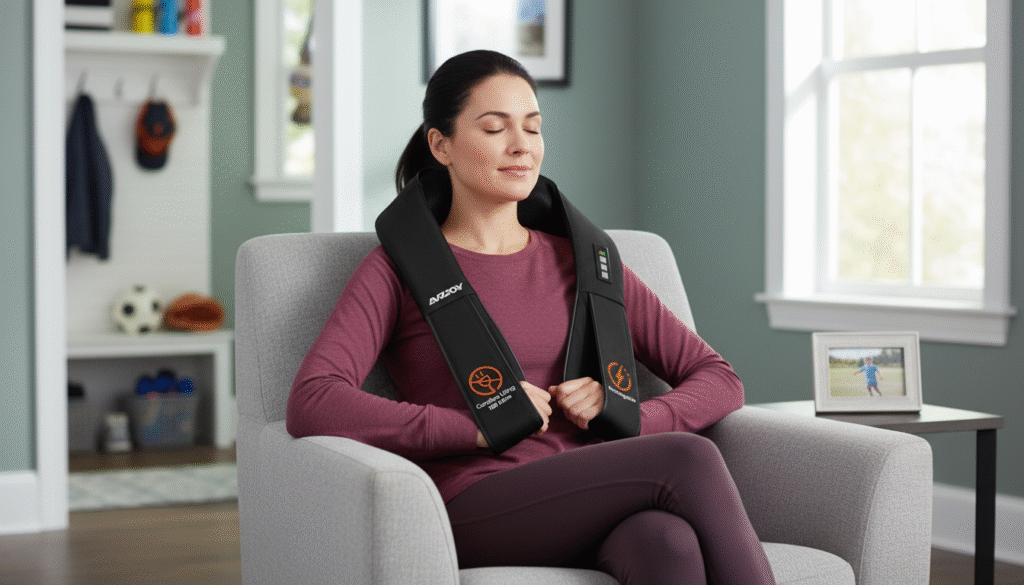
A rechargeable deep-tissue neck and shoulder massager, perfect for tight parent muscles after long tournaments. Get the Neck Massager.
The Ultimate Sideline Tote
A durable, easy-clean EVA bag big enough for snacks, gear, and everything your athlete “forgot.” Shop BOGG Bag.
The Data Analyst Parent
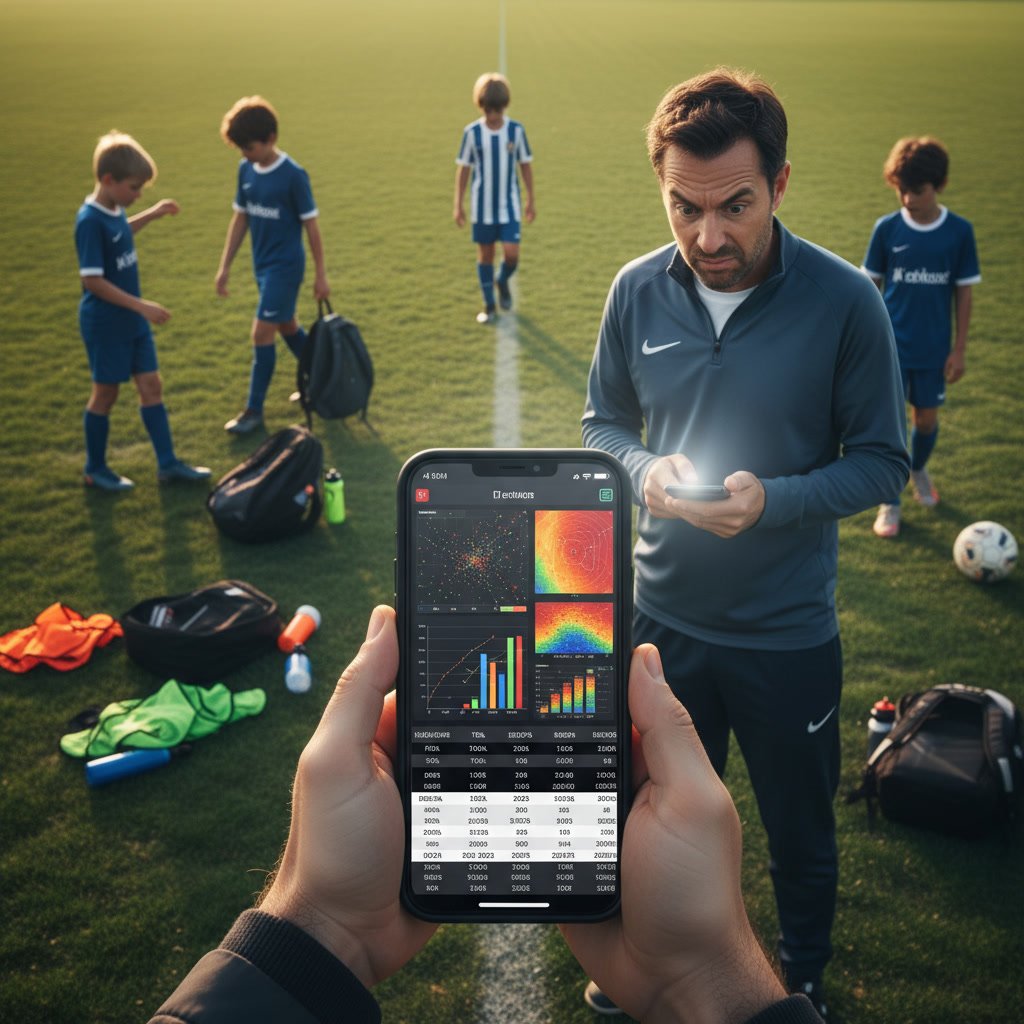
Just when the emotion settles and the lesson begins to take shape, Coach Pigeon swoops back into the story as if summoned by pure chaos. He arrives with a headset perched sideways on his head and a clipboard he is actively chewing. His eyes are wide with panic, judgment, and possibly caffeine. Whatever message he has, he is clearly not delivering it gently.
The Pigeon Meltdown Begins
SQUAWK. Oh, look at you. Look at you in the front seat pretending you are a one person analytics department. I see you pulling up the live stats. I see you checking the player heatmaps. I see you scrolling through the app that tracks nine year olds as if they are Premier League prospects. Put the phone down. Stop calculating. Stop comparing. Stop acting like the Honda is a war room.
Your kid does not care about their expected goals per ninety minutes. They care about nuggets. They care about snacks. They care about who farted on the bench. They are children. They do not need a statistical breakdown. They need a guardian who knows when to shut up and hand them a sports drink.
The Warning Only a Deranged Bird Can Give
Coach Pigeon’s feathers puff out dramatically. He is pacing now, muttering to himself about geometry. You are turning the car into a torture chamber. You are treating a throw in from midfield like it requires Euclidean analysis. I have seen pigeons fall off telephone wires with more composure than most parents show during the car ride home. If you cast one more replay onto the dashboard screen, I will lose every feather on my body out of pure secondhand embarrassment.
The Emotional Truth Hidden in the Chaos
And as ridiculous as he is, Coach Pigeon is right. The more you dissect the stats and review the footage, the more the car transforms into a place of scrutiny instead of safety. Kids do not want analysis on the ride home. They want normalcy. They want comfort. They want the space to recover before they face whatever comes next.
Coach Pigeon knows something parents constantly forget. The car ride home is not about numbers or corrections or tactical refinement. It is about a child trying to reclaim themselves before the disappointment of the game cements into something heavier.
In his own ridiculous way, he is reminding you of the same truth you keep circling around. The car is not a film session. It is not a conference room. It is not a place for breakdowns and strategy. It is a sanctuary that far too many parents turn into a courtroom without even realizing it.
Silence Is Oxygen
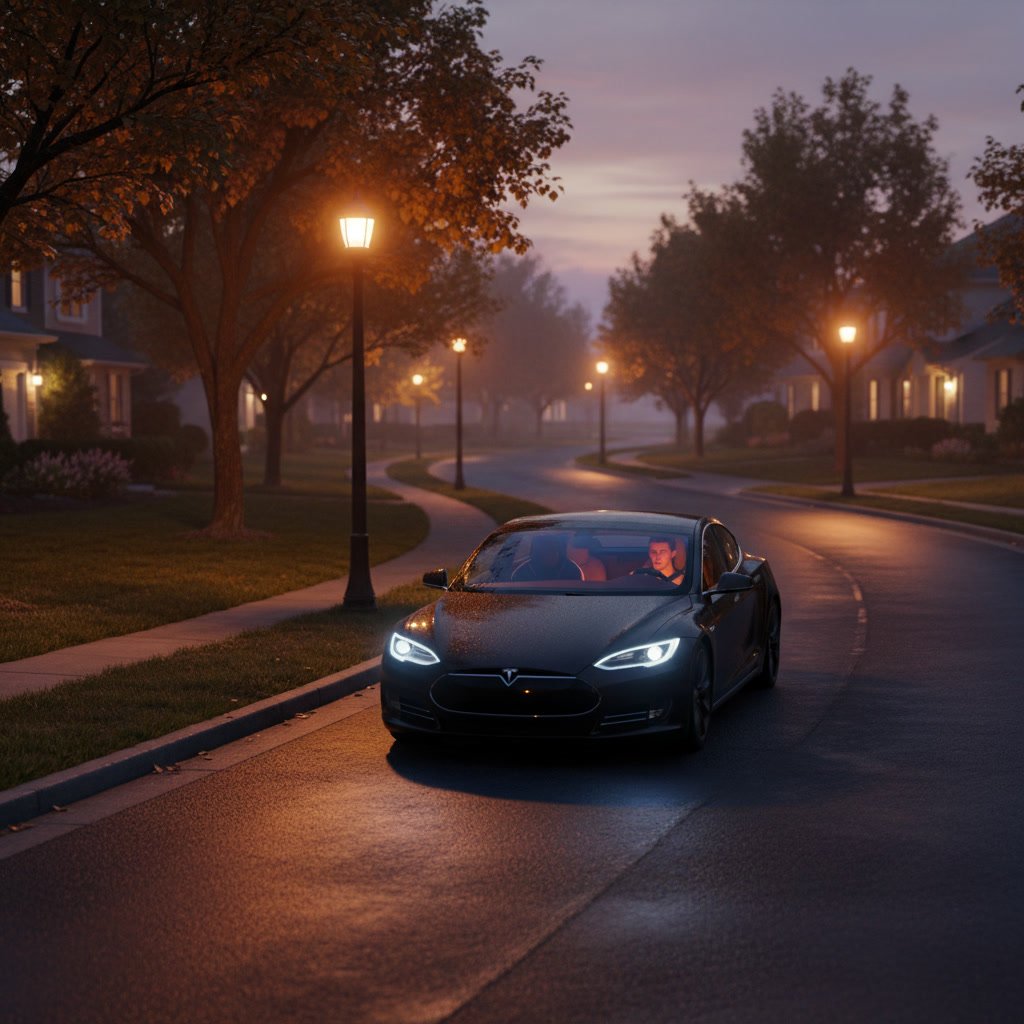
In the fragile minutes after a tough game, when emotions are raw and adrenaline is fading, children do not need information or instruction. They do not need strategy. They do not need analysis. They need space. They need breath. They need oxygen. Silence becomes that oxygen. It softens the emotional spike they are still trapped in and gives them the room to come back to themselves.
Why Emotion Comes Before Logic
There is a quiet truth that parents rarely learn early enough. Kids process emotion before they can process information. No matter how mature they seem on the field, their brains are still wired to lead with feeling. When a game goes badly, their emotional system becomes hypersensitive. They hear tone before meaning. They interpret intention before content. Even the gentlest feedback can feel like confirmation of failure.
What adults filter logically, kids absorb personally. They are not thinking about strategy. They are thinking about identity. The difference between I had a bad game and I am bad at this game becomes almost impossible for them to separate in that moment.
Why Teaching Fails in the Car
This is why coaching during the drive home never works. You cannot teach someone who is drowning emotionally. You cannot explain swimming mechanics while their head is still underwater. They have to reach the wall first. The car ride is that wall. It is the transition from the chaos of the field to the calm of home, and if you fill it with pressure, they never get the emotional reset they need.
The Power of a Quiet Parent
Parents often underestimate the impact of simply being quiet. Silence communicates safety. Silence communicates presence. Silence communicates love without expectation. It tells your child that your role in their life is not dependent on the scoreboard. It gives them the chance to choose when and how to open up.
And the beautiful part is that when kids are given that space, they usually do open up. Not on command. Not when prompted. But in their own time, when the emotional dust settles. Sometimes ten minutes later. Sometimes at dinner. Sometimes the next morning.
Healing Begins in the Absence of Pressure
Silence does not mean avoidance. Silence means respect. Silence means you understand that their emotional system is overloaded and that your job is not to add more weight to it. Silence becomes the invisible hand that helps them climb out of the disappointment rather than sinking deeper into it.
In the quiet hum of the ride home, you are not withholding support. You are giving the purest form of it. You are offering stillness in a moment their brain desperately needs it. You are teaching them, without words, that the car is a safe place, that home is a safe place, and that you are a safe place.
Baseball Starter Kit
A fun 3-in-1 tee ball set with adjustable height, a hanging tee, and a ball launcher. Great for indoor or outdoor play. Get the 3-in-1 Set.
Level Up QB Accuracy
A sturdy training net with multiple target zones, perfect for quarterbacks working on precision at home. Shop Football Net.
Play Football After Dark
A bright glow football that lights up night games and backyard battles. Kids are obsessed with this one. Shop GlowCity Football.
Your New Job Description
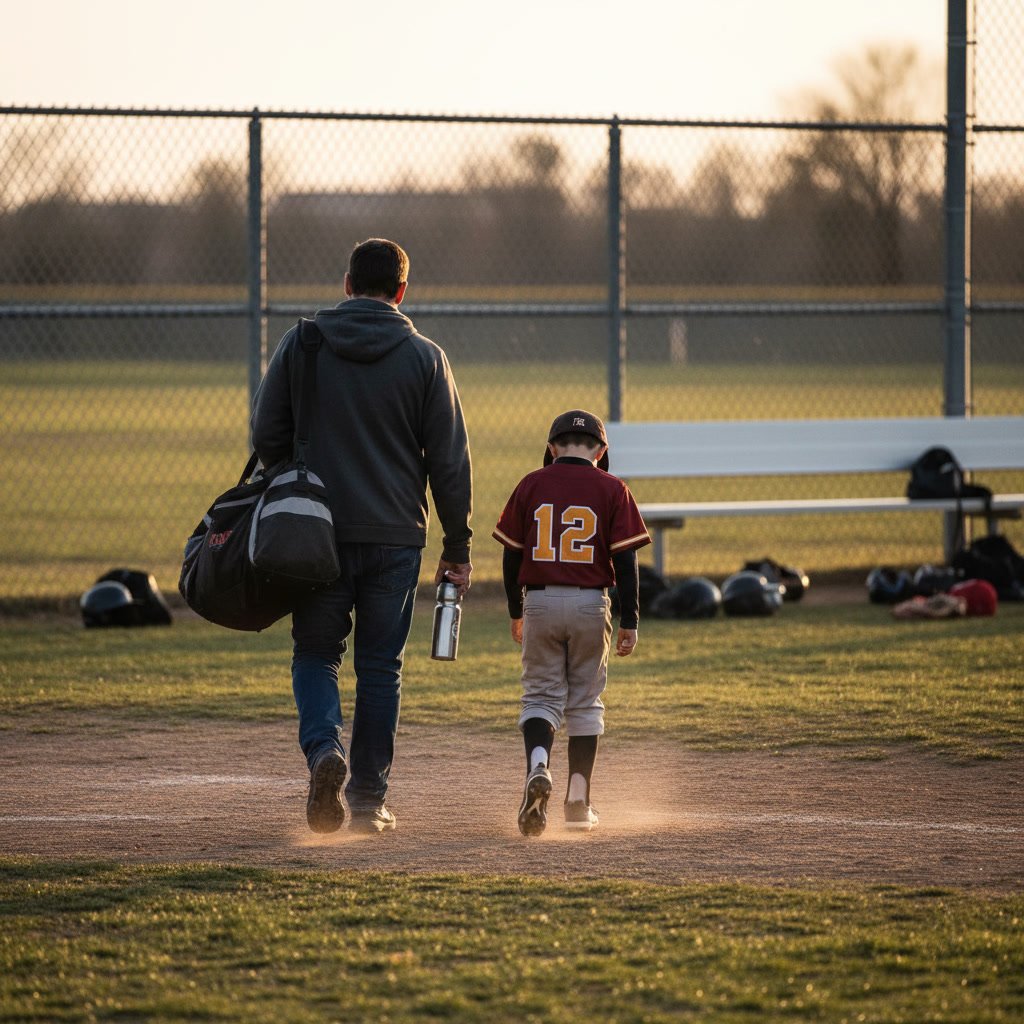
By the time you reach the parking lot, most parents feel a familiar pull. A sense that if they do nothing, they are failing their child. The Villain whispers that silence is weakness, that saying nothing allows bad habits to grow, that real support means addressing the game immediately. It convinces even well intentioned adults that passive moments equal neglect.
But silence is not passive. Silence is intentional. Silence is discipline. Silence is choosing the long term relationship over the short term correction.
What Your Role Actually Is in That Moment
Parents often assume their job after a game is to guide, teach, analyze, correct, or provide perspective. The truth is much simpler. During the ride home, none of those roles belong to you. The only job you have in that moment is to protect the transition between the field and home. You are the guardian of the emotional bridge they must cross.
Your job is to drive. Nothing more. Nothing less.
Drive them away from the noise of the field. Drive them out of the environment that triggered their fear. Drive them toward a place where their nervous system can cool down. Drive them toward normalcy. Drive them toward safety.
The Power of the Environment Shift
The smallest changes make the biggest difference. Put on music they love, even if you hate every note of it. Adjust the temperature in the car so they feel comfortable again. Let the hum of the engine do the talking. Children reset through familiarity. They settle through predictability. When their world feels shaken by the game, the ordinary becomes healing.
There is no need to fill the silence with interpretations, coaching points, or reminders. The car does not need meaning layered on top of it. It needs neutrality. It needs consistency. It needs a parent who understands timing matters more than content.
Why This Is Not Being Passive
Doing nothing is often the hardest thing for a parent to do. It feels unnatural to sit in silence when your instincts scream to fix something. But the truth is that silence is a deliberate choice. It is the highest form of emotional protection you can offer a young athlete. It tells them that pressure is not coming home with them. It tells them the game is over. It tells them they are allowed to breathe.
The ride home is not a classroom. It is not a film breakdown. It is not a continuation of competition. It is a decompression chamber that only works if the parent guarding the door understands how fragile their child’s emotional state truly is.
The Unexpected Return on Restraint
When you master the art of quiet driving, something remarkable happens. Your child begins to trust the car again. They begin to see you as someone who supports them without conditions. They walk into the vehicle knowing they will not be interrogated. They begin to open up naturally, without pressure. And because the conversation is on their terms, it becomes more honest, more thoughtful, and far more powerful.
Ironically, by saying nothing, you end up receiving far more.
The Magic Sentence
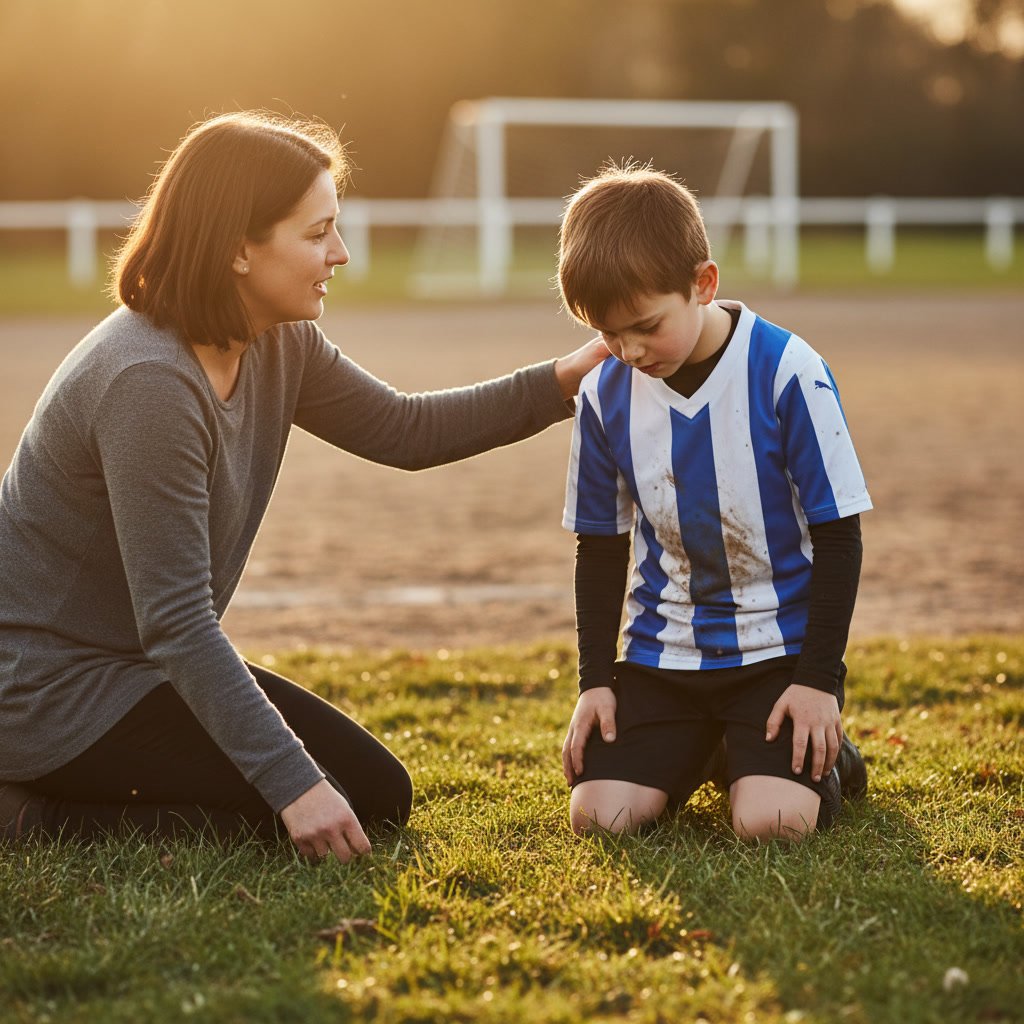
There will be moments during the ride home when the silence feels unbearable. You can feel the pressure building in your throat, the urge to say something, anything, so the weight in the car feels less suffocating. It is the parental instinct to comfort through instruction, to relieve tension through talking, to regain control by explaining what went wrong. But none of that helps a child in the state they are in. Their emotions are too loud. Their body is too overwhelmed. Their mind is still trapped in the moments they wish they could undo.
Yet there are times when staying completely silent feels unnatural, and parents need something to say that will not harm, pressure, or correct. They need a sentence that becomes a bridge instead of a blade.
The Only Sentence That Matters
There is one line that works in every version of the car ride home. One line that carries no judgment, no evaluation, no disappointment, and no analysis. One line that connects rather than critiques. One line that tells a child exactly what they need to hear in the moment they need it most.
I loved watching you play today.
That is the entire sentence. Nothing added to it. Nothing attached. No qualifiers. No hidden messages. No suggestions tucked in afterward. When delivered honestly, it becomes a release valve for a child who is drowning in self doubt. It tells them your love for them is rooted in presence, not performance. It tells them they did not lose you along with the game.
Why It Works on a Biological Level
What makes this sentence powerful is not poetry. It is biology. When a child hears these words, their emotional system shifts. Their cortisol drops. The pressure in their chest loosens. The amygdala eases. Their brain begins to reconnect with its rational center. In a moment when they expect critique, they receive safety instead. In a moment when they fear judgment, they receive comfort.
This sentence separates who they are from what happened. It tells them that the person they care about most did not change their opinion based on one performance. It pulls them out of the dangerous belief that their value is conditional.
Let Them Come to You
Once you say it, you stop talking. You do not steer the moment. You do not push for a conversation. You let the sentence land and you let the silence breathe. Children will open up when they are ready. Sometimes ten minutes later. Sometimes after dinner. Sometimes the next day. But when they choose to speak, the conversation comes from trust rather than fear.
And in that moment, you will see how different the outcome becomes when the car ride home is not a lecture, but a landing place.
The Door That Stays Open
The magic sentence does not just ease the pain of a bad game. It shapes the relationship. It builds the kind of emotional foundation that makes a child want to talk to you, not hide from you. It turns the car into a refuge instead of a courtroom. And when kids know the ride home is safe, they grow into athletes who play with freedom instead of fear.
One sentence. Ten words. A completely different outcome.
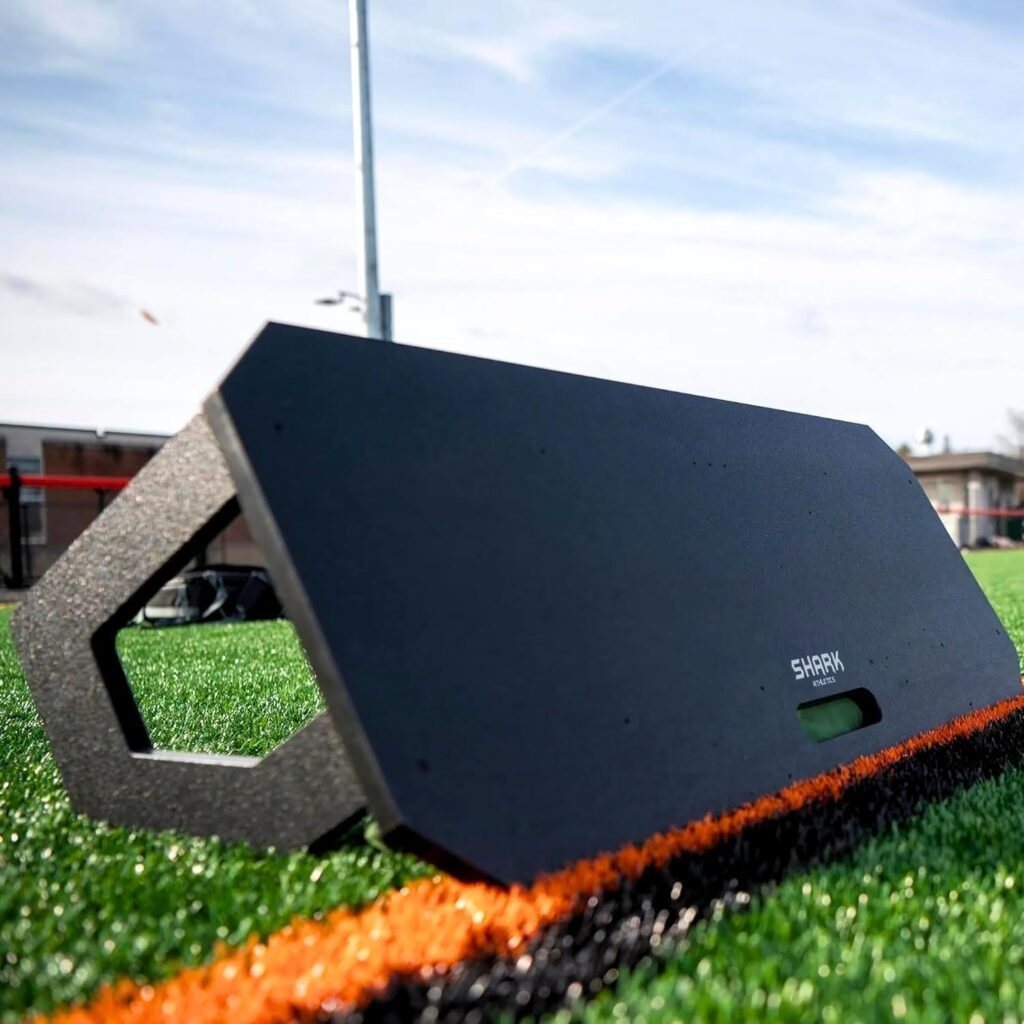
Elite Passing & Touch Training
A durable rebound net with multiple angles for solo passing, aerial control, and footwork drills. Shop Soccer Rebounder.
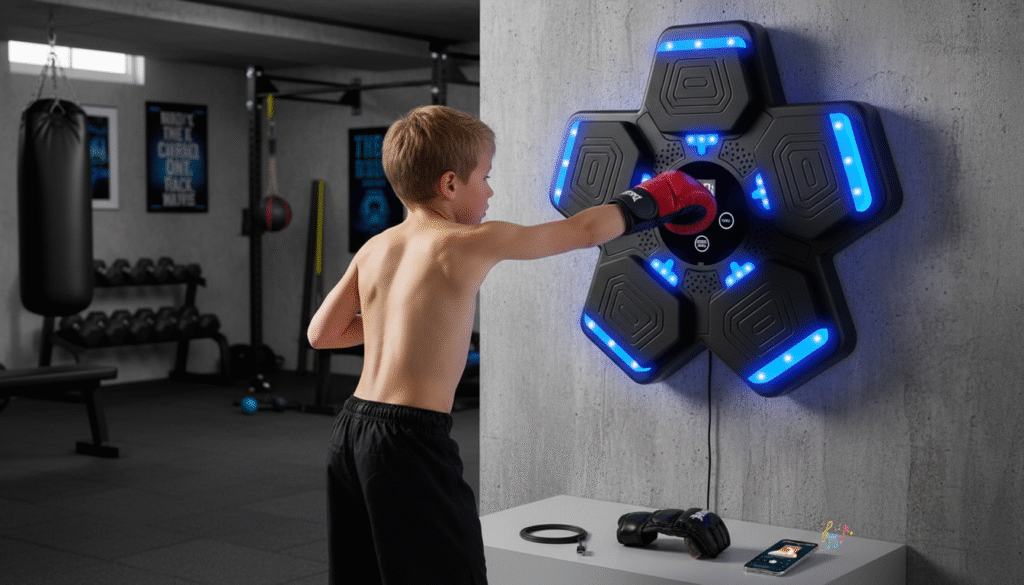
Train Boxing With Rhythm
A wall-mounted smart boxing trainer that lights up targets to build speed, timing, and cardio. Fun for adults and kids. Get the Boxing Machine.
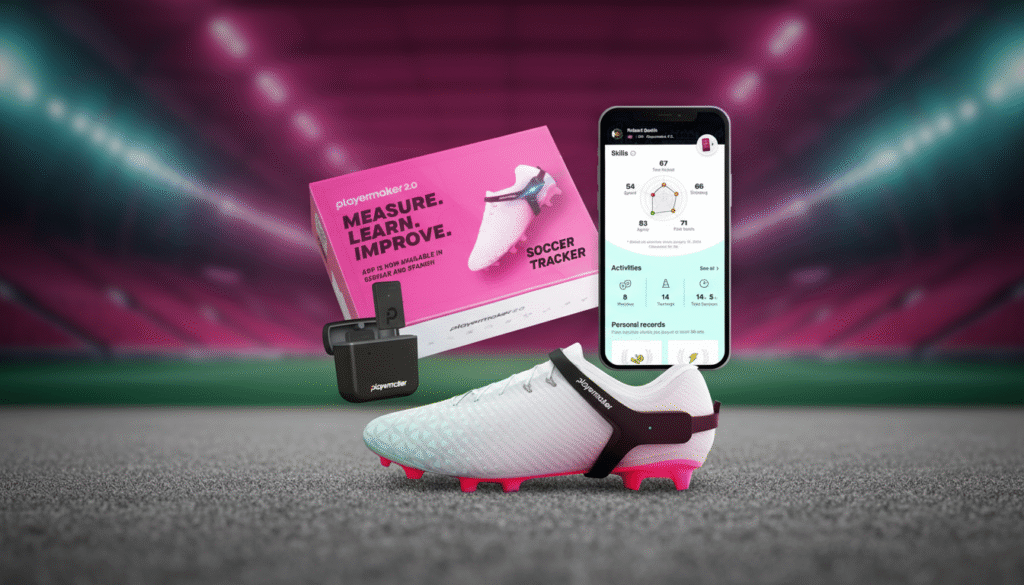
Playermaker 2.0 Smart Soccer Tracker
Advanced cleat-mounted sensors that deliver 25+ metrics for real player development, far more accurate than GPS. Shop Playermaker 2.0.
The Long Way Home
The sun always feels a little lower after a tough game. As you start the drive home, the noise fades and the world slows down. Your kid sits beside you, no longer locked in that post-game stare. Their breathing evens out. Their shoulders drop. The tension begins to melt away mile by mile.
Somewhere along the route, the Villain disappears. Youth Sports Pressure Culture tried to sit in the car with you, but it lost its grip the moment you chose silence over scrutiny. What you protected in those minutes was not the score, the performance, or the mechanics of the game. You protected the sanctuary. You proved that the field stays on the field and that home begins inside this car.
Kids don’t remember the tactical points you wanted to make. They remember how the ride home felt. Safe or stressful. Calm or judgmental. Loving or conditional. The games blur with time, but the emotional tone of these drives becomes part of who they are.
As you pull into the driveway, nothing dramatic happens. No grand speeches. No breakthroughs. Just a quiet kid stepping out of a car that didn’t make them feel smaller. A car that let them breathe again. A car that reminded them your love is steadier than any scoreboard.
The real coaching you do isn’t in the strategies you withhold or the advice you save for later. It’s in the peace you create during the moments they feel most vulnerable.
One day, they’ll drive their own child home from a tough game. And without even realizing it, they’ll repeat the same quiet act of love you showed them.
They’ll say, I loved watching you play.
And the sanctuary continues.
More Sideline Chaos You Don’t Want to Miss
2026: Sports Specialization Is Failing Young Athletes
A deep dive into why the single-sport trend is burning out kids faster than ever.
The Ultimate Sideline Survival Tool: Why the GoPro HERO13 Black Is the Only Teammate You Need
Capture every moment like a pro and finally retire your shaky sideline footage.
15 Best Sports Gifts for Kids: Gear They’ll Actually Use All Year
No more wasted money. No more forgotten equipment. Only parent-approved winners.
Top 3 Heated Stadium Seats That Keep You Warm at Cold Games
If you’re freezing on the sidelines, you’re doing this wrong. These seats fix everything.
Parents Ask, Legends Answer: The Car Ride Home FAQ
Why is the car ride home after sports so emotionally intense for kids?
Because their nervous system is still in high gear. After a tough game, kids are flooded with stress hormones and replaying every mistake in their mind. The car becomes the first quiet moment they have to feel everything. Any comment, even positive, can land as pressure because their brain is still processing failure rather than logic.
Should I ever talk about the game right away, or is silence always best?
Silence wins almost every time. Kids need emotional decompression before they can think clearly. Talking too soon forces them to relive the stress. Wait until they show signs of openness, usually later that night or the next day. When they’re ready, they’ll talk on their terms.
What if my kid asks me what I thought of the game?
Give them emotional safety before analysis. Start with the magic sentence, “I loved watching you play.” Then let them lead the conversation. If they want feedback, they’ll ask for it directly. And when they do, keep it simple, supportive, and focused on effort, not outcome.
How do I handle my own frustration without letting it spill into the ride home?
Recognize that your frustration comes from caring deeply, but timing matters more than truth. You can vent privately to another adult later, journal it, or wait a full day. The ride home is not about your emotions. It’s about protecting theirs.
What is the single biggest mistake parents make during the car ride home after sports?
Turning the car into a mini locker room. Coaching, correcting, analyzing, or questioning sends a message kids internalize as judgment. The biggest mistake is filling the silence instead of honoring it. The ride home is not a review session. It’s a recovery space.