
The Whistle, the Noise, and the Moment Nobody Talks About
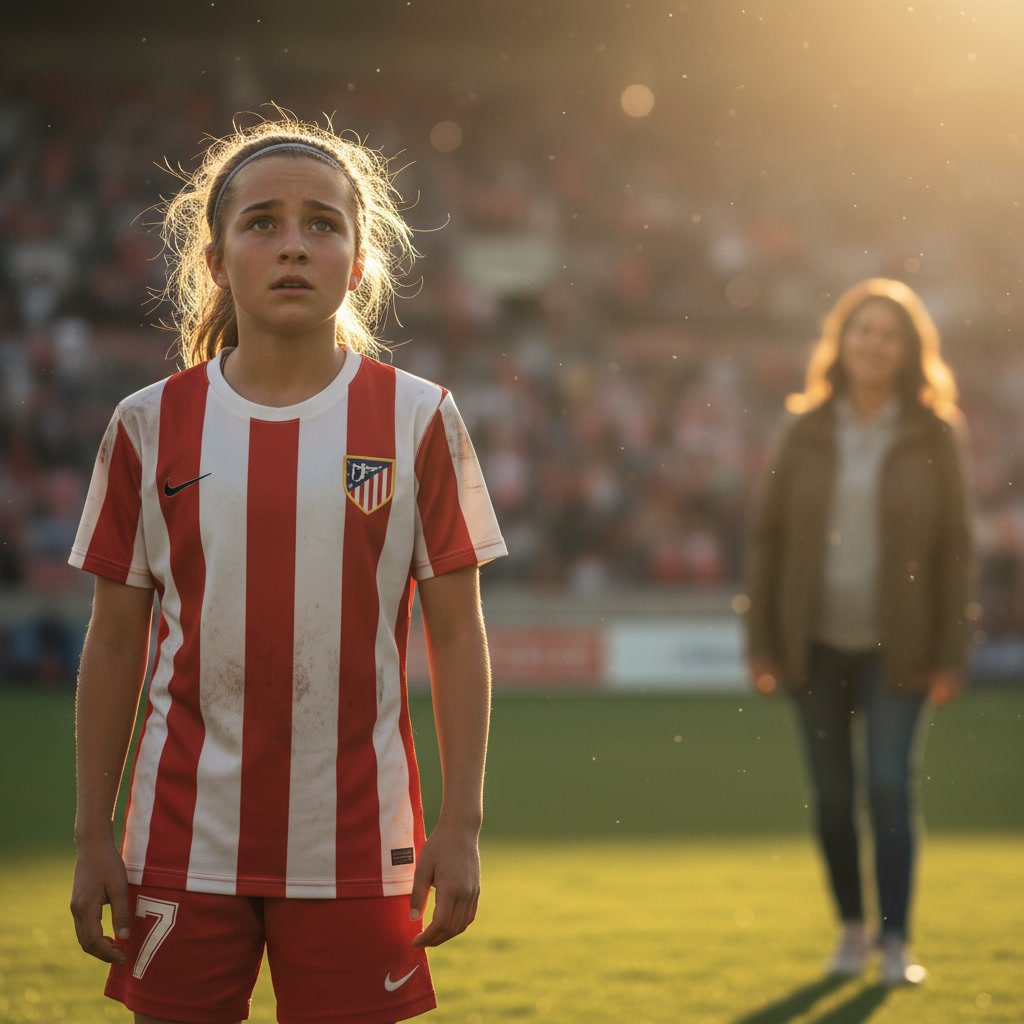
There is a moment in every youth sports game that exposes every parent in the building. You know the one. The whistle blows, a kid makes a mistake, and suddenly a perfectly normal group of adults turns into a panel of highly caffeinated analysts. One parent groans like the season just ended. Another shakes their head with the seriousness of someone reviewing crime footage. Someone starts pacing so hard you would think they are trying to coach the game telepathically. And there is always that one parent holding an iced coffee like it is a stress ball designed by NASA.
And while all of that is happening, there is a kid in the middle of the court or on the ice or standing at the field, trying to figure out how to handle a moment that feels ten times louder than it should. They are not thinking about the play anymore. They are not thinking about the coach. They are not thinking about the scoreboard. They are thinking about whether the look they get from the stands is going to make them feel calm or crush their confidence.
This is where the real game happens. Not on the scoreboard. Not in the huddle. Right here. In the five seconds after a mistake when a kid decides whether to shrink, crack, or stay coachable. And the crazy part is that their ability to stay coachable in that moment has almost nothing to do with the coach on the bench. The real influence comes from the parent watching them, because the first place a kid looks after things go wrong is not the coach. It is the stands.
Coachable Isn’t Something You Say. It Is Something You Practice

Every parent loves to say they want a coachable kid. It is practically the unofficial slogan of youth sports. If parents made resumes for their children, coachable would be at the top in bold letters, right above works hard and listens well. Everyone claims it. Very few understand what it actually requires.
Because being coachable has nothing to do with nodding at a coach or staying quiet during practice. It is not about being agreeable. It is not a sticker you earn for good behavior. Coachable only reveals itself in the toughest moments. The moments when a kid’s confidence gets punched in the chest a little.
Coachable is what shows up when the shot misses. When the call stings. When the coach pushes harder than expected. When the mistake feels huge and the crowd feels bigger. When the kid looks over at the stands searching for something steady to hold onto. Coachable is not comfort. Coachable is control. It is the ability to breathe in a moment that feels too loud. It is choosing to reset instead of collapse. It is listening when listening feels inconvenient.
And here is the part that makes every parent in the building shift in their seat.
Coachable kids come from coachable parents.

ChalkTalkSPORTS Dangle Snipe Celly Hockey Sweatshirt
If you spend your weekends freezing in rinks and yelling “shoot,” this is your sweatshirt. The ChalkTalkSPORTS Dangle Snipe Celly pullover gives you the hockey fan uniform you deserve. Comfy, warm, and guaranteed to impress exactly zero referees but every player in the locker room.
Kids study us more closely than they study the game. They watch how we react when things go wrong. They watch the way we talk about coaches and refs. They watch the look on our face when they make a mistake. They learn how to handle pressure from the way we handle them.
The real training does not happen in drills. It happens on the sideline when your kid glances up after something goes wrong and tries to read your expression. It happens in the car ride home when you choose patience instead of a lecture. It happens in the quiet moments where they realize they are allowed to fail without losing your love.
Coachable is not something a kid is told to be.
Coachable is something they feel safe becoming.
And that safety starts with us.
The Chaos Phase. Every Game. Everywhere.
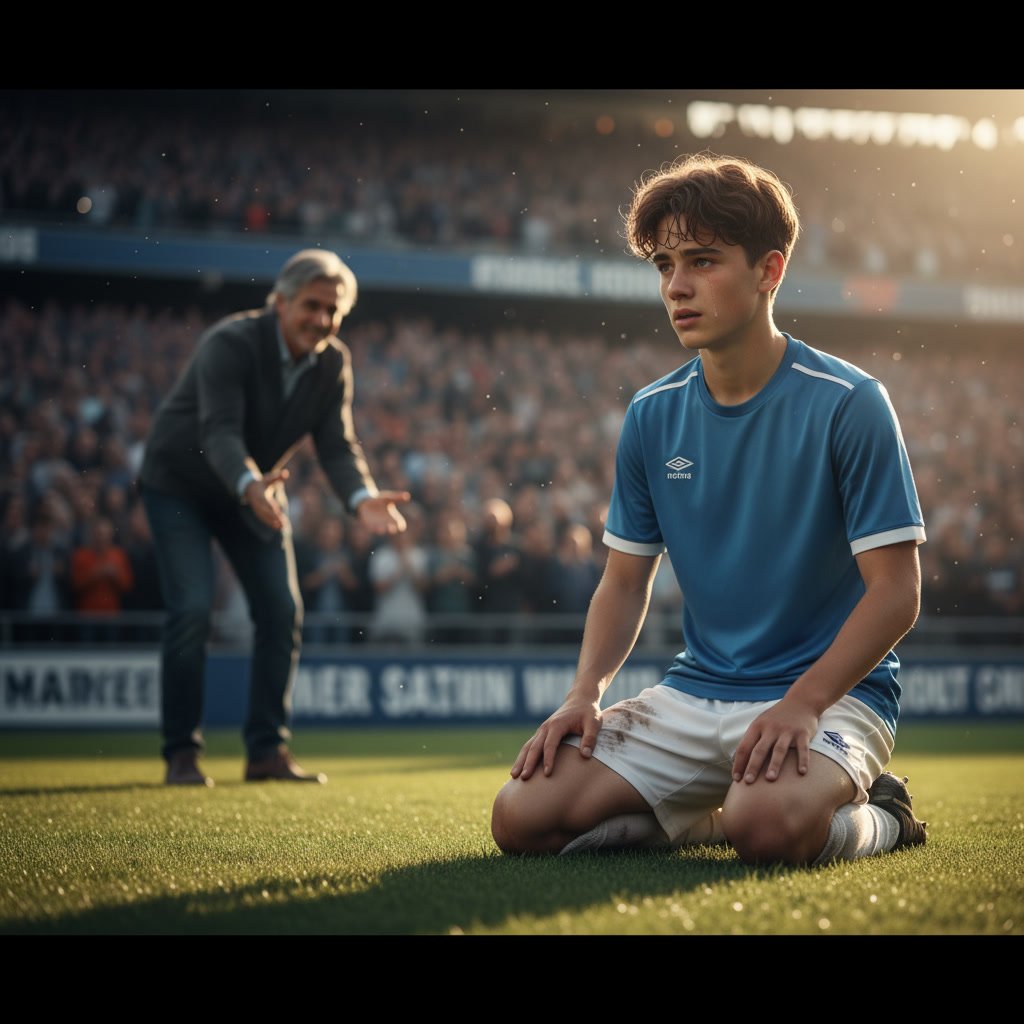
Game day always tricks you at first. You walk in telling yourself you are going to be calm, supportive, and totally composed. Then the whistle blows, and the entire environment shifts like someone flipped a hidden switch. The rink feels colder than a walk-in freezer. The gym somehow amplifies every sound to concert volume. The field has wind that feels personal. Kids sense the pressure instantly. Their shoulders tense, their eyes dart, and you can almost hear their thoughts racing. Parents feel it too, even the ones who swear they are the chill, level-headed type. Coaches look like they are trying to manage a stampede while delivering a TED Talk.
No one is actually calm during these moments. Everyone is performing the idea of calm, and that is exactly why this part of the game matters. This is the messy, noisy space where habits form. This is where kids learn how to reset after a mistake, how to handle stress, how to listen under pressure, and how to stay grounded when the world feels anything but.
But they cannot stay grounded if the people they trust most are unraveling in the stands. When a parent panics, a kid absorbs it immediately. When a parent starts yelling, the kid shuts down. When a parent begins coaching louder than the actual coach, the kid suddenly feels pulled in two different directions and loses confidence in both.
But when a parent stays steady in the chaos. When they keep perspective instead of spiraling. When they become the calmest voice in a building full of noise. That is when something shifts. The kid feels safe again. They recover faster. They stay open, steady, and mentally flexible. They learn how to respond instead of react. And that skill will carry them far longer than anything printed on the scoreboard.
This is the real game inside the game. The one that shapes confidence, resilience, and yes, coachability. The kid learns how to handle pressure by watching how their parent handles them.
The Parent Factor Nobody Admits Out Loud

There is a truth in youth sports that almost no parent wants to say out loud. Kids are not naturally wired to handle pressure, frustration, or tough feedback. They are not born calm under fire. They are not born patient. They are not born able to take correction without crumbling a little. They learn all of that by watching the adults in their world.
Kids pay attention in ways we underestimate. They watch how we respond when they mess up. They notice the way our shoulders tighten when a coach gets on them. They catch the expression we try to hide after a bad call. They see the disappointment even when we think we masked it behind a sip of coffee. They take mental notes every time we tense up, sigh, or exchange a look with another parent. To them, all of it means something.
When a kid looks toward the stands after a mistake, they are not looking for advice. They are not searching for a coaching tip or a motivational speech. They are looking for safety. They want to know if trying again is still okay. They want to know if one mistake changed how we see them. They want to know if the love they feel on their best days is still there on their worst ones.
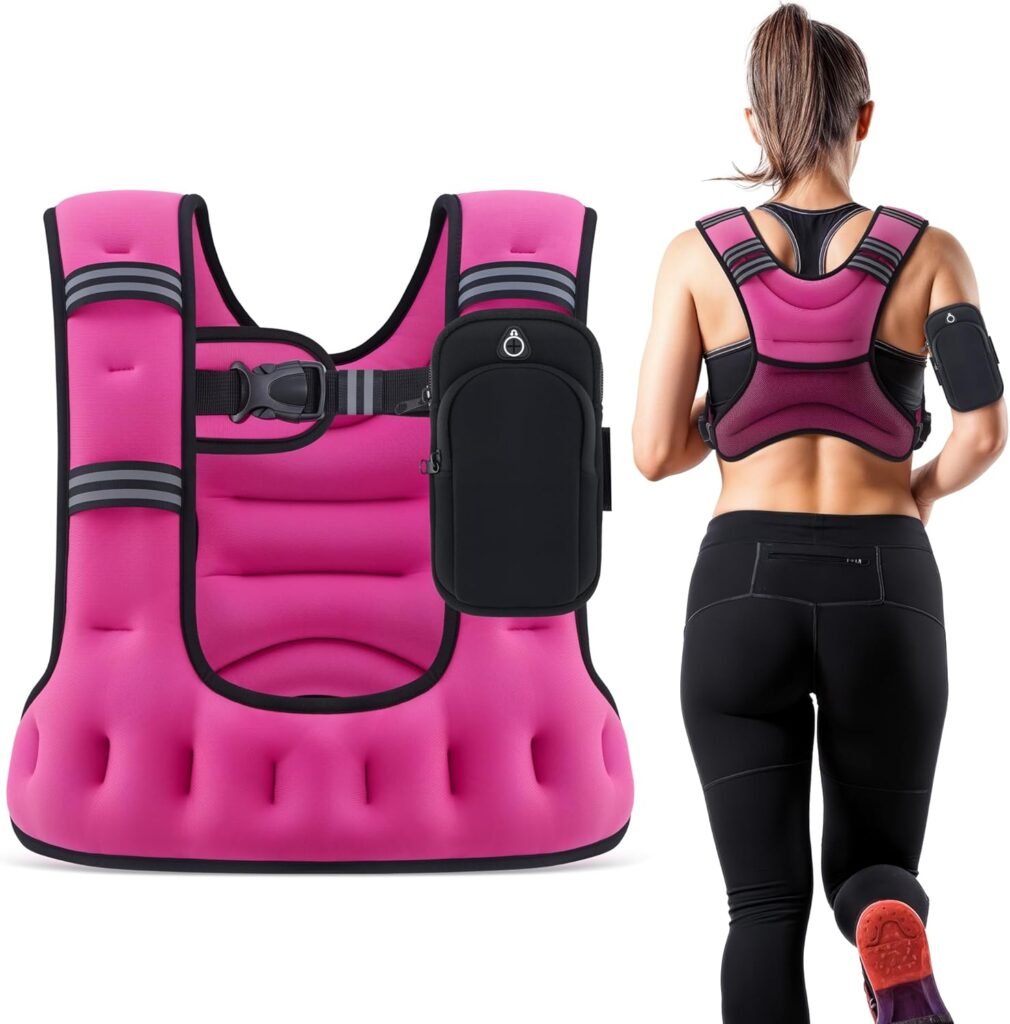
ZELUS Weighted Vest
ZELUS Weighted Vest for Men and Women, 6–20 LB Ergonomic Fit with Even Weight Distribution

Dumbbell Hand Weights
Level up your workouts with Amazon Basics Neoprene Dumbbells. Get your now!
This is where growth actually happens. Not during the highlight moments. Not during the games where everything goes their way. Kids learn to be coachable on the days that sting. They learn it in the moments when their confidence feels shaky and they look up expecting judgment but find steadiness instead. They learn it when they realize failure does not make them harder to love. It just makes them more human.
Kids become coachable because the people around them stay anchored when the moment is messy. They become coachable because they know their worth does not rise and fall with the scoreboard. They become coachable because someone in the stands shows them that effort, growth, and heart matter far more than perfection ever will.
That is the part parents rarely talk about. And it is the part that shapes everything.
The Turning Point. When a Parent Actually Gets It Right
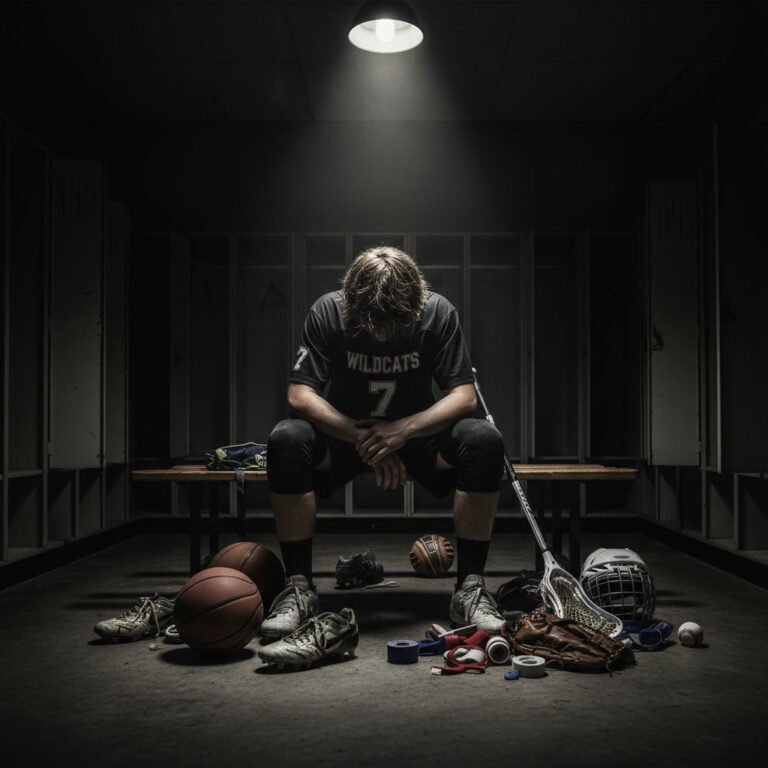
Every game has a moment where everything tilts. A kid fumbles the puck, bricks the free throw, drops a pass they normally catch, or loses track of their assignment. It happens fast. Too fast. The crowd reacts before the kid can even process what went wrong. Coaches get animated and the whole building seems to tighten around that single mistake. You can almost see the kid shrink for a second, like the air got punched out of their confidence.
This is the moment where kids feel completely alone. Not because they are, but because that is what pressure does. It turns a simple mistake into a spotlight. The mind starts spinning. The heart picks up. And even the toughest kid feels the weight of every eye in the building.
So they look for the one place where the pressure should not exist. They look toward the stands.
And this is where everything can change. Because instead of a parent who is frustrated, embarrassed, or ready to relive the mistake out loud, they see something else entirely. They see calm. Real, steady calm. Not the fake kind parents try to perform, but the grounded kind that shows up when someone truly supports you.
One look. Not a lecture. Not a flinch. Just a quiet expression that says one simple truth.
You are okay. Reset. I am with you.
That look is powerful. It is the difference between a kid spiraling and a kid stepping back into the moment with a clearer mind. It is the difference between shutting down and choosing to fight through. Kids do not bounce back because they are fearless. They bounce back because they know they have someone who believes in them when the moment hurts.
The comeback does not begin when the coach shouts next play. It begins when the kid sees that they are not defined by the mistake. It begins when the parent in the stands becomes the steady place in a noisy world.
That is the part no one teaches.
That is the part no one talks about.
But it is the part that makes the biggest difference in who a kid becomes on the inside.
The Comeback. Where Coachability Actually Shows Up
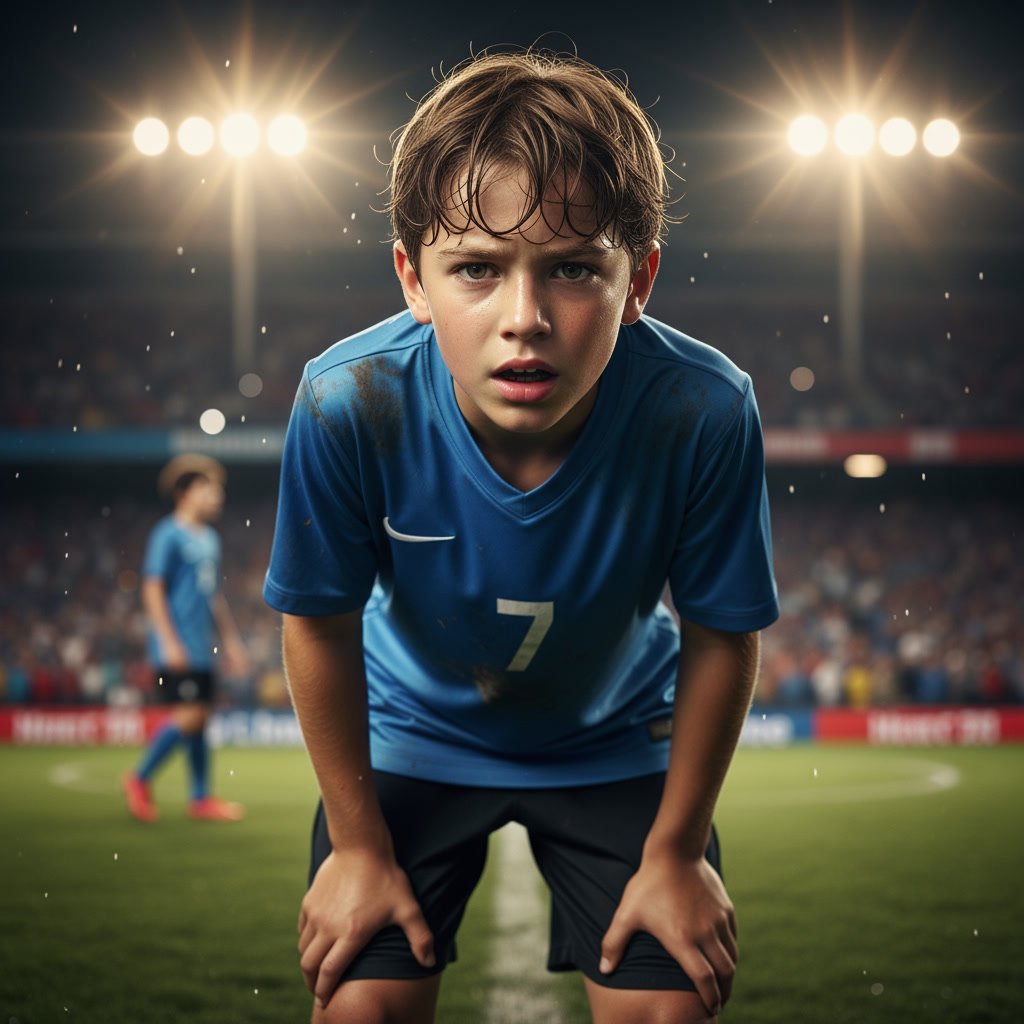
The real measure of a kid does not appear when the game is easy. Anyone can look confident when the shots are falling and everything feels smooth. Coachability shows up in the gritty moments that feel heavier than they should. The second period after a rough start. The next shift after a painful turnover. The free throw line after a miss that echoes through the gym. The overtime shift when legs feel like cement and the lungs are begging for a break. It shows up when a coach calls them out or when a teammate snaps in frustration. These are the moments that ask a kid who they really are.
Coachability is not about avoiding pressure. It is about meeting it. It is the athlete who takes a breath, nods, and chooses to stay in the moment instead of running from it. It is the kid who adjusts without complaint. It is the player who listens, tries again, and lets effort speak louder than emotion. These moments rarely make the highlight reel, but they are the ones that shape an athlete far more than any trophy ever will.
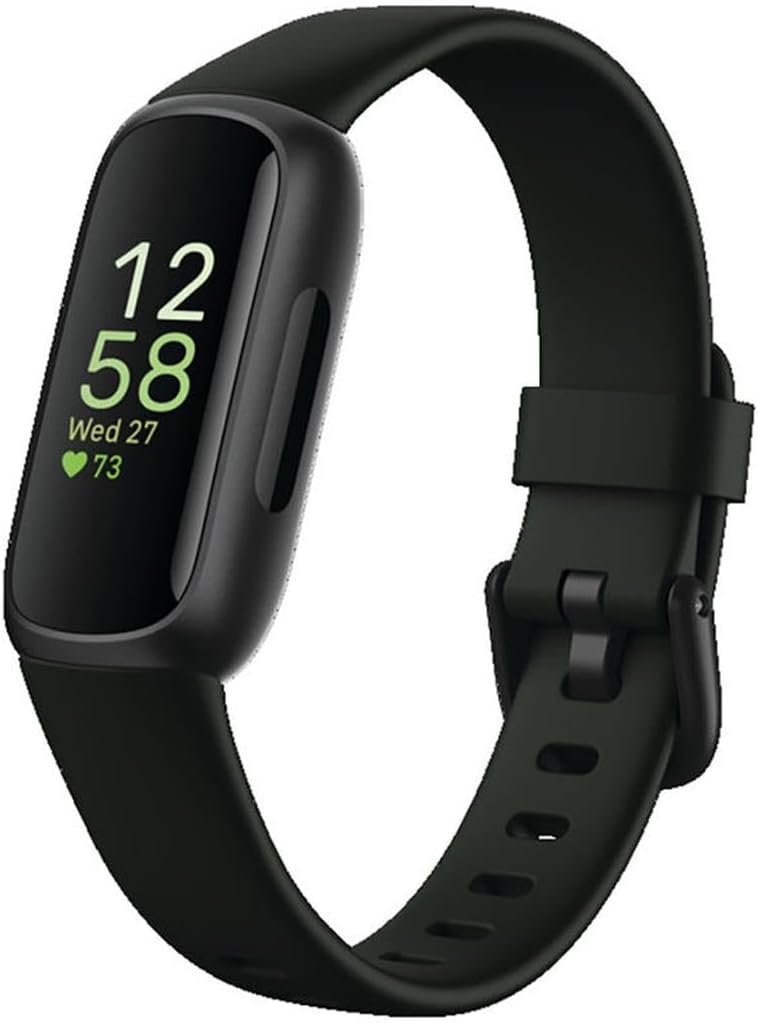
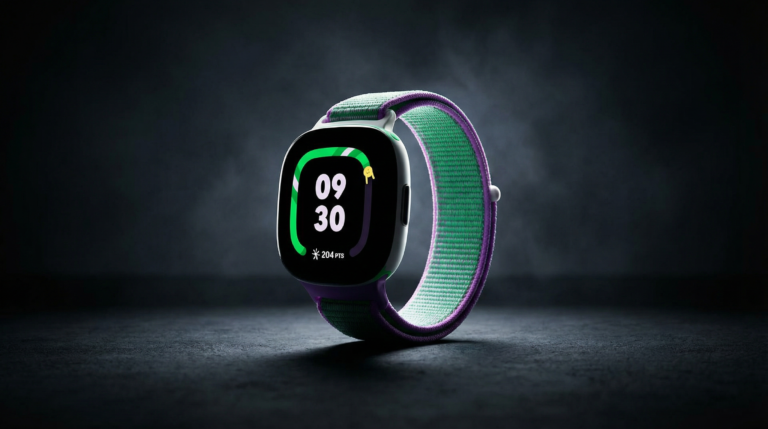
Fitbit Inspire 3 Health &-Fitness-Tracker
The Fitbit Inspire 3 is the perfect way to keep your health on track while life keeps you moving. If you are going to power-lap the field during practice, you might as well track your health while you do it. Whether you are walking the sidelines, running errands, or squeezing in a quick workout, Inspire 3 keeps an eye on what matters. Monitor stress levels, workout intensity, sleep quality, steps, calories, and 24/7 heart rate with a lightweight, comfortable band you barely feel on your wrist. With both S and L bands included, it fits every lifestyle and every sideline. Simple, smart, and built to help you feel your best all day.
Kids who learn to handle these moments do not crumble. They bend and reset. They stay curious. They grow. And they grow because something in their world taught them that mistakes are not threats to run from, but opportunities to respond to. They learned that pressure is not the enemy. Isolation is.
This kind of resilience never begins in practice. It starts in the car on the way to the rink or the gym or the field. It starts when a parent chooses patience over panic. It starts when home becomes the safest place to land after a hard day. Kids become coachable because the people around them make it possible to fail without losing themselves.
The scoreboard tells one story.
The comeback inside the kid tells the story that actually matters.
The Car Ride Home. The Most Important Classroom in Youth Sports
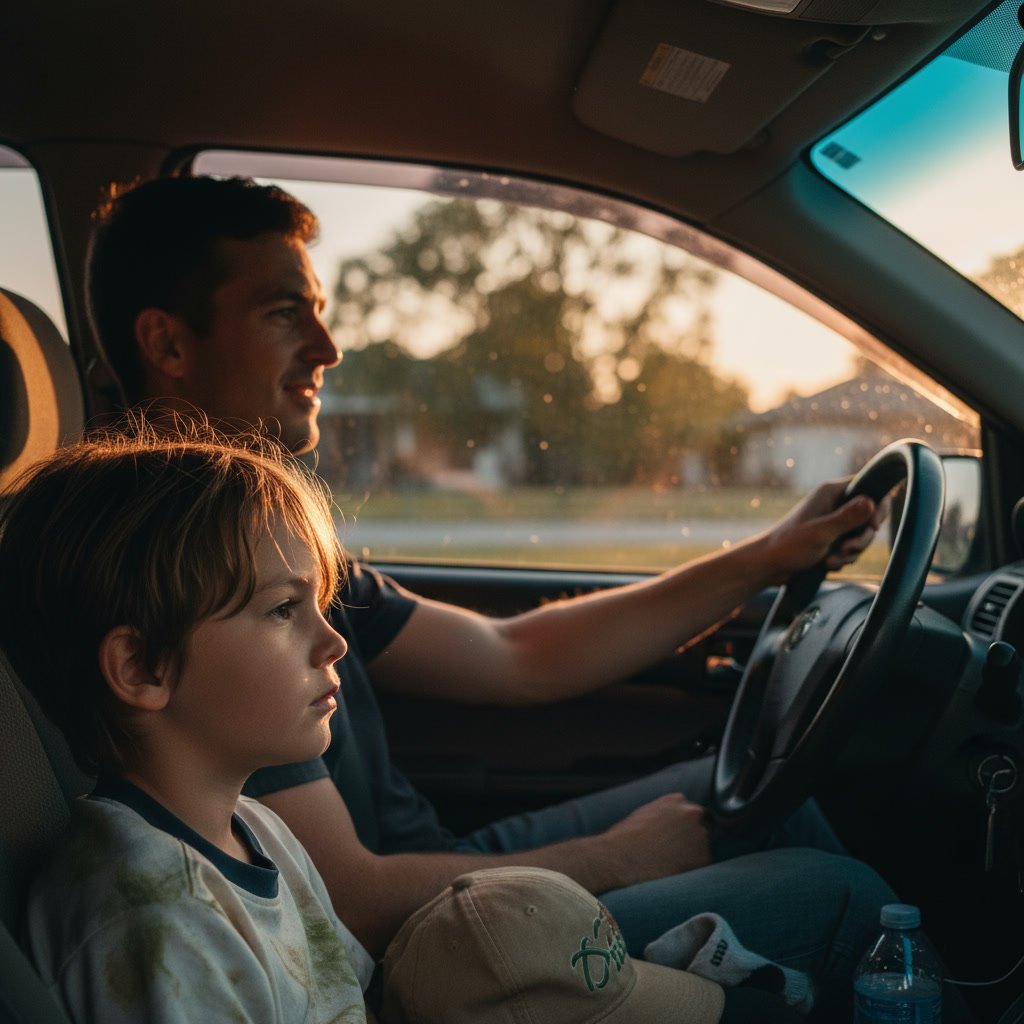
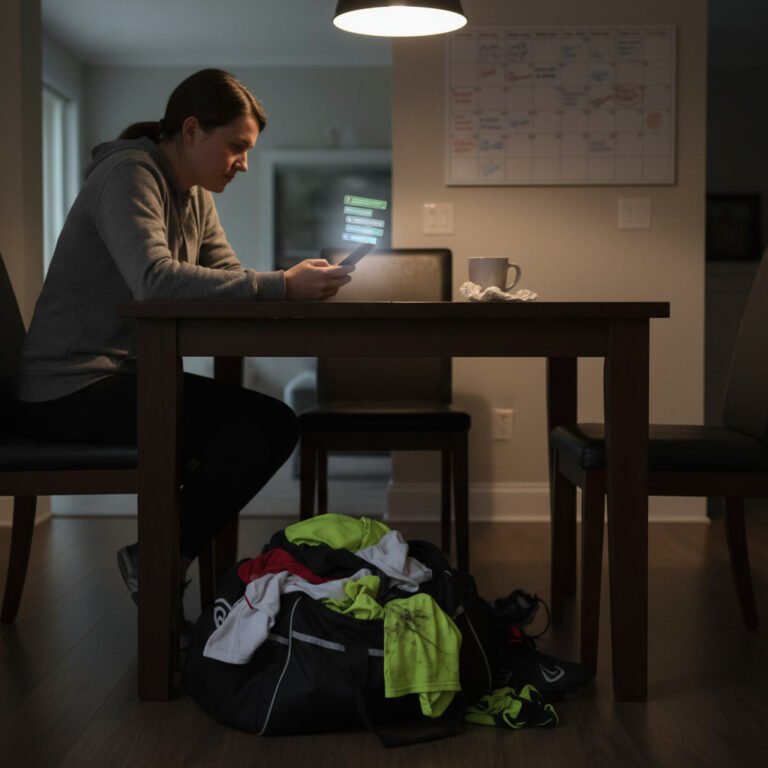
Every parent tells themselves they will keep it light after the game. No breakdowns. No critiques. No unsolicited TED Talks about effort and focus. And somehow, the moment the car door shuts, all those promises fly right out the window. It happens to the best of us. Something about the quiet makes parents think this is the perfect time to coach, correct, or relive every second like they are auditioning for an ESPN segment.
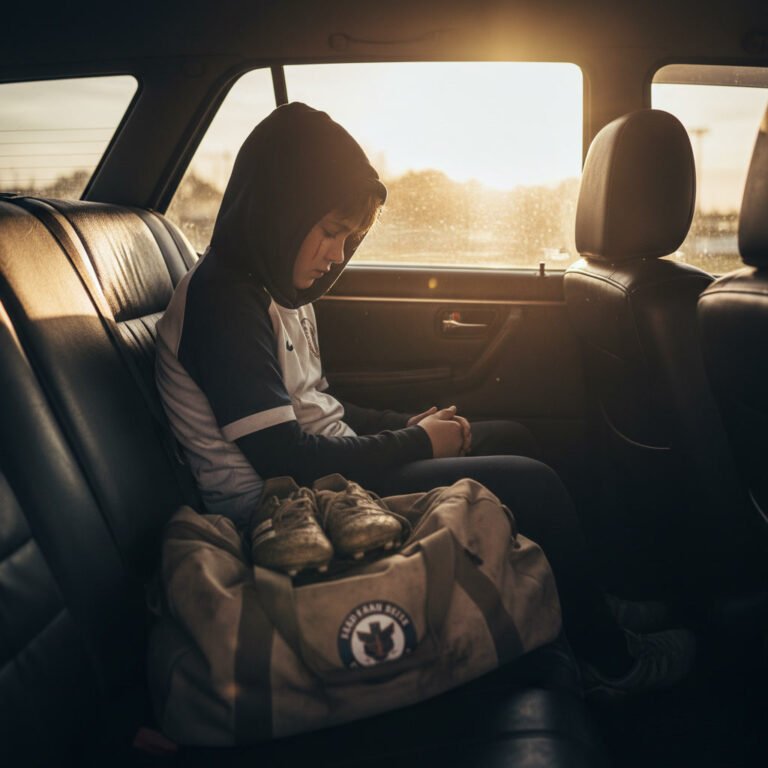
But the truth is that the real development never happens on the court or the ice or the field. It happens right here, in the cramped, quiet space between the kid who is replaying the tough moments in their head and the parent who is trying to figure out the right thing to say. The silence is louder than most parents realize. Kids can hear disappointment through a seat belt. They can sense frustration without anyone speaking. The way they peel off their gear or stare out the window tells a deeper story than the scoreboard ever could.
What most parents do not realize is that nothing crushes a kid’s openness faster than turning the car into a second locker room. They do not need another coach fifteen minutes after the final whistle. They do not need a performance review before the traffic light turns green. They do not need a speech about grit or mindset or hustle. What they need is space. Emotional space. Breathing space. A runway to recover from the moment before anyone tries to teach them something from it.
The kids who stay receptive, resilient, and coachable over the long haul are the ones who are not smothered by immediate analysis. They are the ones who get time to decompress before the conversation begins. They learn that effort matters more than outcome and that love is not conditional on performance. That lesson is worth more than any skill they will ever learn in practice.
The best parents use a simple script because it works every time. Did you have fun. I loved watching you play. You worked hard today. What do you want to eat. That is it. That is the gold standard. If the kid wants to talk about the game, they will. And if they do not, that silence is a sign they are processing, not shutting down.
The car ride home is not a classroom. It is a sanctuary. It is the safest place a kid has after a hard game. And long before coachability shows up on the field, it grows right here, in the quiet moments where a parent chooses connection over critique.
Coachable Parents. Coachable Kids. Better Culture.
The teams that truly thrive almost always have one thing in common. Their parents understand their influence. They may not all agree on strategy or playing time, but they show up with the right energy. They listen more than they shout. They support instead of stress. They trust the coach instead of coaching from the stands. They choose development over drama even when the moment gets tense.
Kids feel that. They feel it more deeply than adults realize. A calm sideline tells a kid the world is safe enough to take risks. A respectful sideline tells them mistakes will not turn into tension at home. A steady parent teaches a kid that effort matters more than perfection. This is how confidence grows. Not through highlight plays, but through the environment the adults create around them.
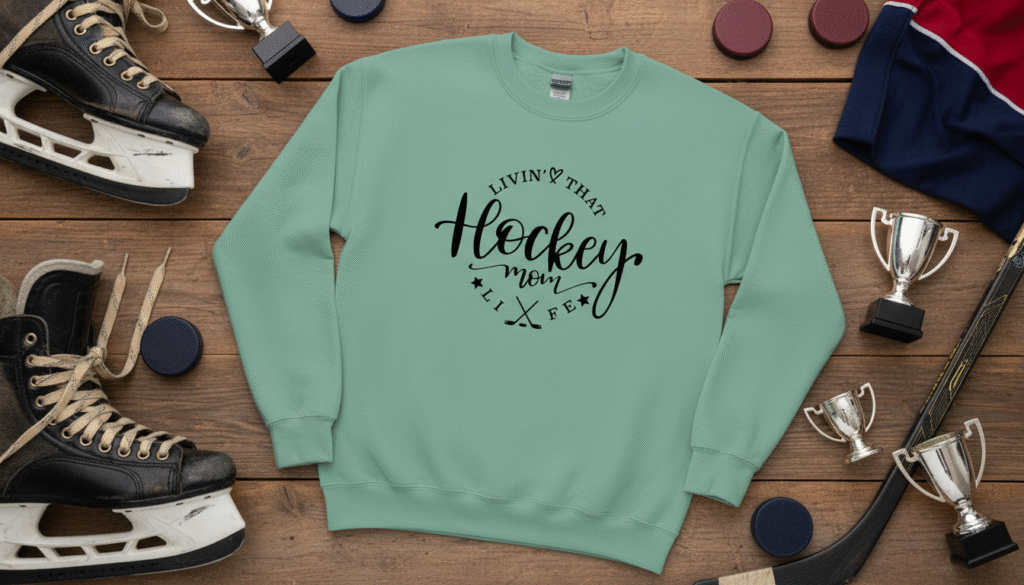
Hockey Mom Sweatshirt
Show off your rink-side pride with this cozy “Living That Hockey Mom Life” sweatshirt. Soft, comfy, and perfect for practices, tournaments, and every cold arena in between.

Hockey Mom Era Hoodie
Rep your rink-side era in style with this cozy “In My Hockey Mom Era” hoodie. Warm, soft, and perfect for early practices, freezing arenas, and every proud hockey mom moment.
And when parents carry themselves this way, everything changes. The sideline feels lighter. The relationships between families become healthier. Practices run smoother because coaches are not busy managing the mood of the bleachers. Kids play with a different level of freedom because they are not bracing for judgment. Suddenly, the entire team looks more connected and more coachable, not because the kids changed, but because the parents did.
Culture spreads quickly. One calm parent can settle an entire section. One family that shows respect regardless of the score can influence everyone around them. One parent who quietly keeps perspective can shift the tone of a whole season. Kids learn from that. Coaches feel supported because of that. Teams grow because of that.
Coachability is not just a trait kids carry. It is a culture adults create. When parents buy into it, the whole team rises together.
The Future Belongs to the Coachable

If you want your kid to truly thrive, not just in sports but in every phase of their life, start by teaching them to be coachable. It matters more than talent. It matters more than size or speed. It matters more than trophies and stat lines. Coachability is the skill that carries them long after the last whistle blows.
Because coachable kids become something deeper than athletes. They become adults who know how to take responsibility instead of making excuses. They become people who adjust when life does not go their way. They become teammates others trust, not because they are perfect, but because they stay open and steady even when the environment feels difficult. They become learners who do not crumble when challenged. They become communicators who can listen without feeling threatened. They grow into humans who evolve instead of getting stuck.
The world they are stepping into is louder than the one we grew up in. Feedback never stops. Pressure never takes a day off. Everyone has an opinion. Everyone has expectations. And the kids who rise are not the ones who avoid difficulty. They are the ones who know how to process it without losing their confidence. They can hear correction without shutting down. They can face tough moments without retreating. They can stay grounded when everything around them demands a reaction.
Coachability is not a sports trait. It is a life advantage. It is the difference between kids who break under pressure and kids who grow through it. It is the difference between surviving the world and shaping it. And the kids who learn this skill early will always find a way to rise, no matter where they go or what they face.
The future belongs to those who can learn, adapt, listen, and respond.
The future belongs to the coachable.
The Final Truth. Coachable Is Not a Skill. It Is a Legacy.
When your kid looks back years from now, they will not remember every stat line or every mistake. What stays with them is how you handled the moments that felt tough. They remember whether your face tightened after they turned the ball over. They remember the tone of your voice when they climbed into the car already feeling disappointed. They remember if you stayed calm when the game got chaotic or if your reaction made the moment heavier. Those emotional snapshots shape how they see themselves long after the season is over.
This is where coachability takes root. Not because a coach delivered the perfect message, but because you showed your child that mistakes are survivable and growth is possible. When you stay steady, you give them a blueprint for steadiness. When you show patience, you teach them how to reset. When you believe in them after a hard game, you help them rebuild their belief in themselves.
Being coachable is not about pleasing a coach or avoiding mistakes. It is about becoming the kind of person who can take feedback without collapsing, face challenges without losing confidence, and keep learning even when things feel uncomfortable. When a kid walks off the field or the ice or the court a little more grounded and a little more resilient than they were the day before, that is the moment that actually matters.
From the chaos of the game to the quiet of the car ride, your reactions become part of who they grow into. That is the legacy. That is the difference they carry with them long after youth sports ends. That is the coachable difference.

Autographed Jersey Mystery Box
Score a Hall of Famers Autographed Basketball Jersey Mystery Box, each with a signed jersey authenticated by JSA, PSA, Beckett, or Fanatics. Perfect for collectors and fans. Grab yours and see which legend you pull.
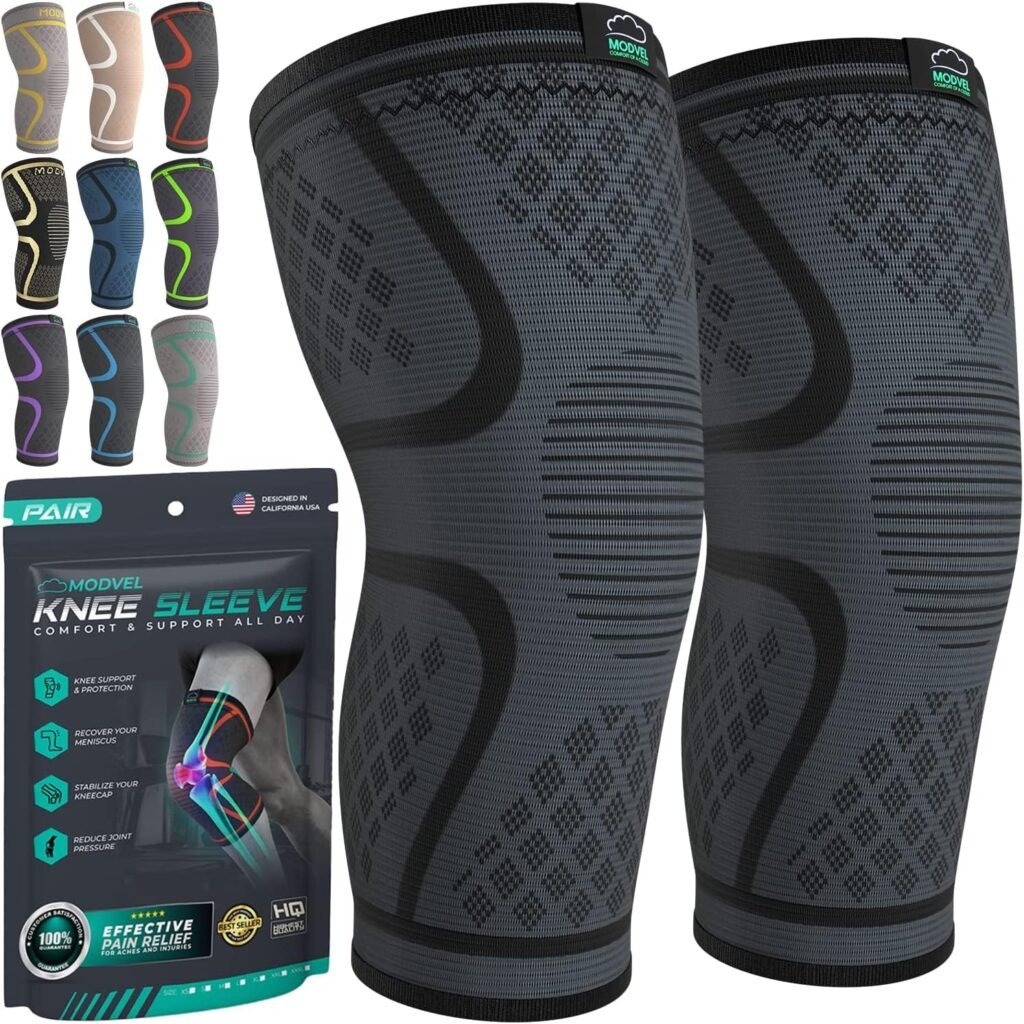
Compression Knee Brace
Stay comfortable around the field or rink with the Modvel Compression Knee Brace 2-Pack. Ideal for daily movement, workouts, and relief from knee pain.
Read Next
Playermaker 2.0 Review: The Smart Soccer Tracker That Actually Understands Your Feet
A deep dive into the surprisingly accurate tech that breaks down every touch, step, and movement better than most sideline commentary ever could.
The Coach’s Favorite and Why the Rest of Us Are Just Background Noise
A hilarious look at the unspoken hierarchy every parent recognizes but pretends not to notice.
Top 25 Sports Dad Jokes That Perfectly Capture Every Sideline Moment
A painfully accurate collection of the dad humor that lives on fields, in gyms, and in every folding chair across America.
Top 25 Funniest Youth Sports Parent Stories and Confessions
Real parents, real chaos, and real moments that prove none of us are surviving this sideline life with our dignity fully intact.
FAQ: The Questions Every Sideline Parent Asks (But Rarely Out Loud)
What does “coachable” actually mean for my kid?
Being coachable means your kid can take feedback without shutting down, stay open during tough moments, and bounce back after mistakes. It is not about being perfect or passive. It is about being willing to learn, adjust, and grow.
How do I know if I’m helping or hurting from the sideline?
If your presence feels calming rather than pressuring, you are helping. If your kid looks your way after a mistake and seems relieved, not scared, you are helping. If you are coaching over the coach, tensing up, or reacting loudly, it may be adding stress they cannot handle.
What should I actually say after a tough game?
Keep it simple. A supportive tone, a reminder that you loved watching them play, and a question about where they want to eat does more for their confidence than any breakdown of the game ever will.
How can I help my kid become more resilient without being too tough?
Model it. Kids learn resilience by watching how you handle frustration, pressure, and disappointment. If you stay steady, patient, and solution-focused, they absorb that approach naturally.
What if the coach is hard on my kid? Should I step in?
Hard coaching and harmful coaching are two different things. If the coach is firm but fair, your kid may be learning grit, discipline, and accountability. If something feels truly off, address it privately and respectfully. But most growth comes from allowing kids to navigate challenge, not protecting them from it.