
The Most Awkward Thirty Seconds in Youth Sports

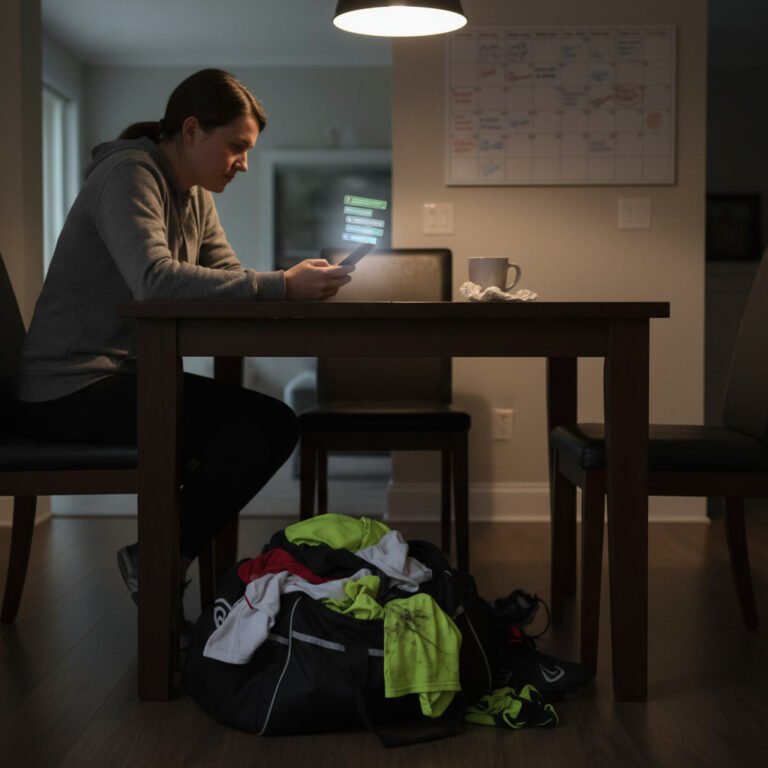
Your kid walks off the field with that look. The one every sports parent recognizes instantly. The jersey is twisted, the cheeks are flushed, and the eyes keep glancing at you like you are the judge, the jury, and the emotional fallout shelter all at once. They are bracing for something. You are bracing for something. Nobody knows who is going to crack first.
Inside your head the same sentence loops like a warning siren.
Please do not say something dumb. Please do not say something dumb.
Your brain is trying to save you from yourself because it knows you have a history of saying the exact wrong thing at the exact worst time.
Around you, the entire sideline suddenly turns into a group of undercover agents studying the ground. A shoe becomes fascinating. A water bottle becomes a scientific discovery. Parents scatter their eyes anywhere except toward their own kid because they all know the truth. This is the moment that can go very right or spectacularly wrong.
Welcome to the post game pressure cooker. This is the emotional choke point of youth sports. Every parent hits it. Every parent fears it. Every parent, no matter how calm they pretend to be, wants one thing. They want to talk to kids after a tough loss without detonating the entire ride home.
This is where it starts. This exact ten second window.
Say the right words and you become the hero.
Say the wrong ones and you are Googling what to do when your child refuses to speak until Thanksgiving.
So yes. Let’s get this right.
Why This Moment Matters More Than The Scoreboard

The moment the game ends, your kid steps into a completely different world than the one you see. You see a score. They see themselves. A tough loss hits kids on a level most adults forget. It shakes their confidence. It rattles their pride. It stirs up that tiny voice inside their head that whispers you should have done better. This is why knowing how to talk to kids after a tough loss is not just helpful. It is critical.
Kids replay mistakes in slow motion with a cruelty they would never use on anyone else. They analyze every miss. Every turnover. Every moment they think they let someone down. They wonder if you noticed. They wonder if you are disappointed. They wonder if this one bad game changes something about how people see them. The emotional volume is turned all the way up, and the logic dial is barely functioning.
What research shows is simple and honestly a little terrifying. Kids remember your reaction more than any scoreboard. They remember your tone. They remember your face. They remember whether you brought calm or tension. In that moment, you are not just their parent. You are the emotional anchor they are grabbing for while everything inside them feels like it is tilting.
This is why learning how to talk to kids after a tough loss becomes a genuine parenting superpower. You are shaping the voice they will hear when they struggle later in life. You are teaching them how to recover, how to reset, and how to separate their worth from a scoreboard.
If you get this moment right, you are not just helping them handle one hard game. You are helping them become someone who can handle hard things.
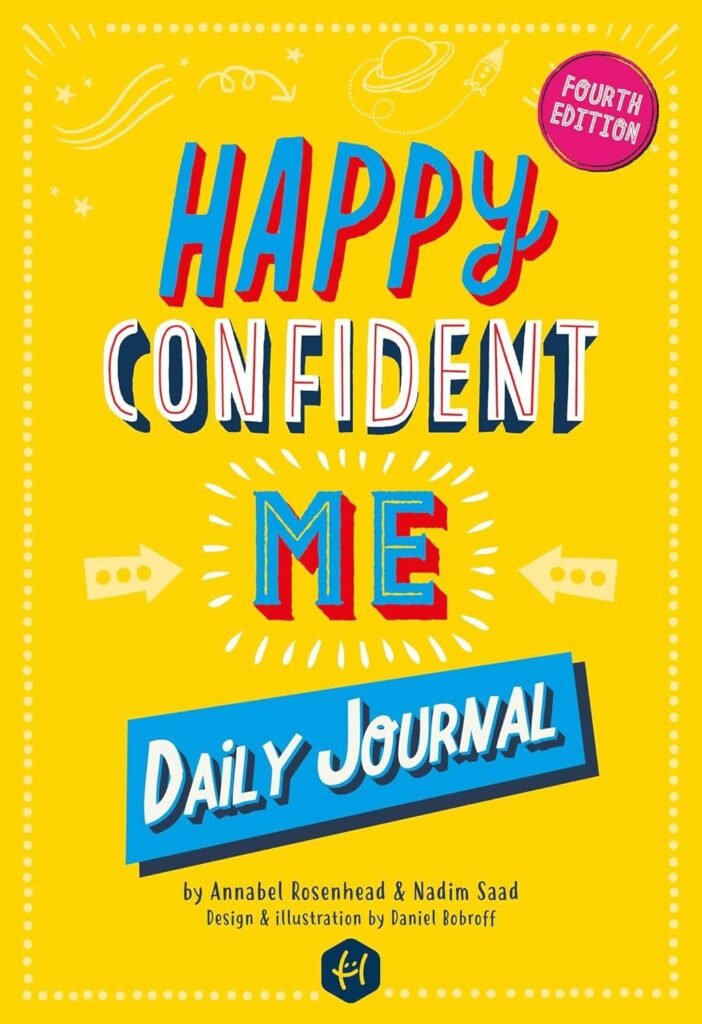
Kids Confidence Journal
The perfect tool for kids to talk through a tough loss on paper first, then out loud. A private space to build resilience, confidence, and healthy self-talk. Build your athlete’s inner voice one page at a time.
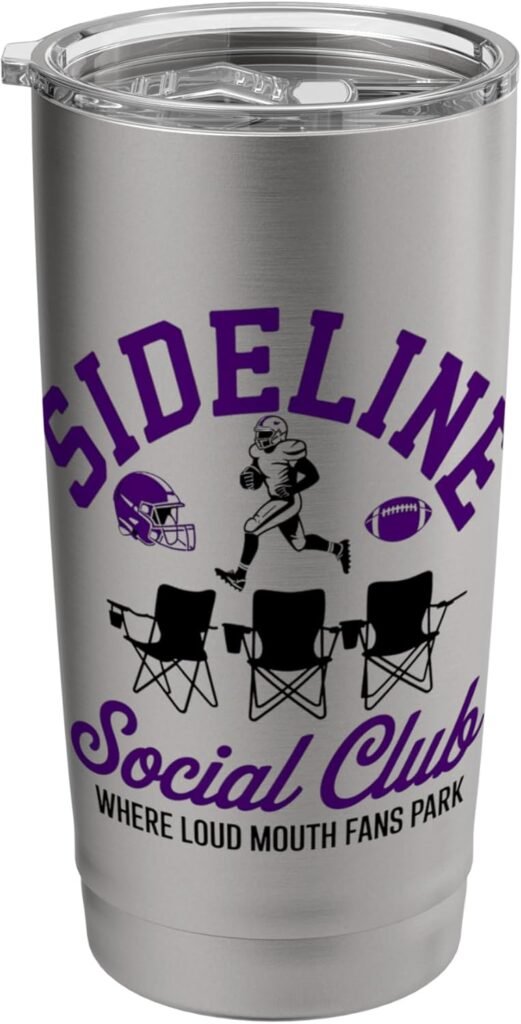
Sideline Social Club Tumbler
A stainless steel insulated tumbler made for football parents who want their drink to stay perfect from kickoff to the final whistle. Grab yours now
The Biggest Mistakes Parents Make Without Realizing It

Here is where even the best parents lose control of the wheel. Everything seems fine as you walk off the field. Everyone is calm. You are proud of your kid. You are supportive. You are thinking This is going to be a smooth ride home. Then the car door shuts. The seatbelt clicks. And suddenly the air shifts. The parent disappears and the inner coach explodes into the world like it has been trapped inside your chest for the entire second half.
This is when the chaos begins.
The instant lecture launches before you can stop it.
The slow motion replay of mistakes rolls out like you are breaking down film for ESPN.
The cheerful you will get them next time somehow lands like a brick.
The comparisons slip out and you pretend you did not hear yourself say them.
And then the when I played speech sneaks into the conversation like a burglar dressed as nostalgia.
Parents do not do this because they are clueless. They do it because they care so much that panic overrides judgment. They want to help, but they forget something huge. In the first few minutes after a tough loss, kids do not want analysis. They cannot absorb advice. They are not ready for perspective. They definitely are not ready for your personal sports documentary.
If you really want to talk to kids after a tough loss in a way that actually helps them, the first rule is simple. Do not sprint into fix mode. Your child does not need a motivational seminar from someone clutching a coffee cup like it is a stress ball. They need presence. They need calm. They need you as the parent, not you as the substitute coach trying to save the day.
Connection beats critique every single time.
The Car Ride That Matters More Than the Game
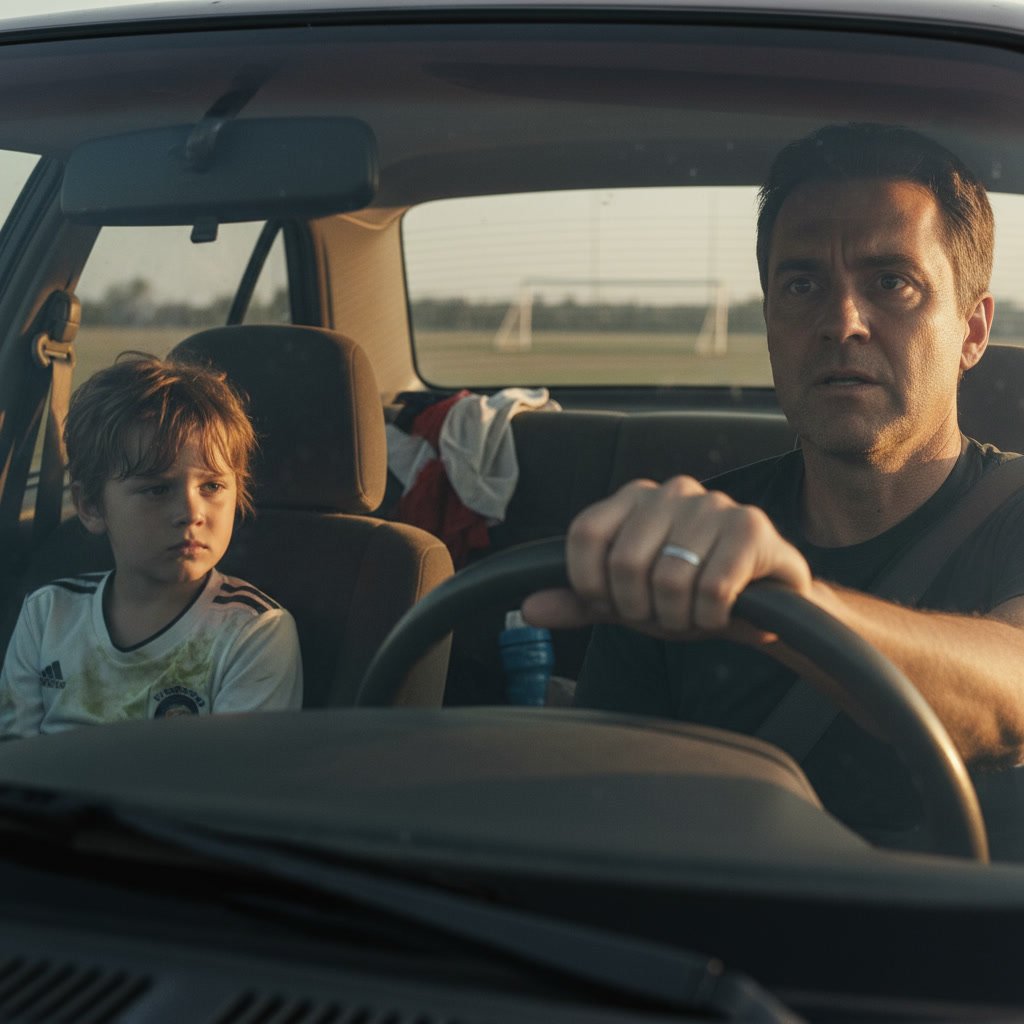
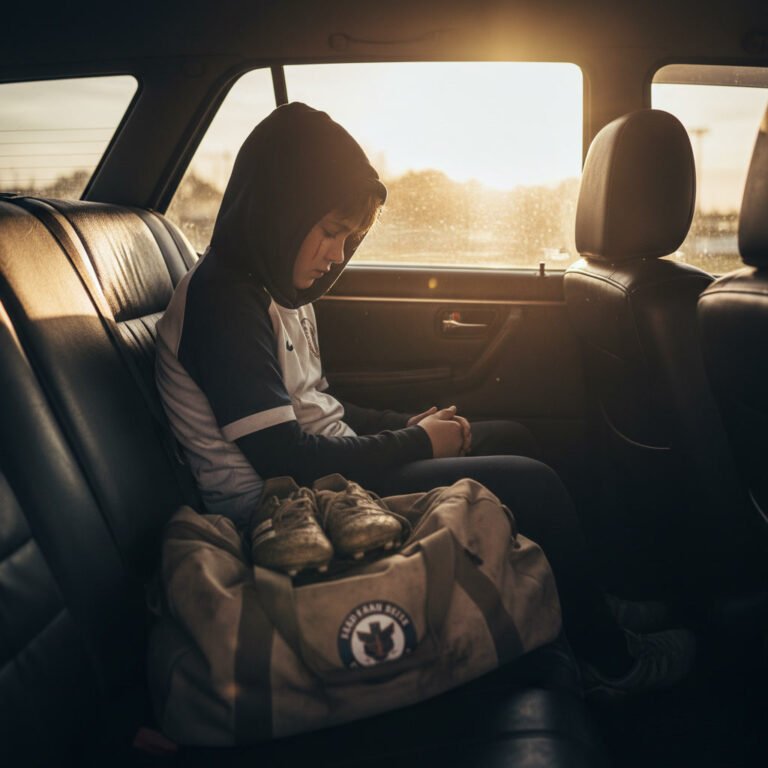
Parents like to believe the hardest part of youth sports is the score or the final whistle. It is not. The hardest part is the car ride after a tough loss. This is the moment your kid slides into the seat without a word, jaw locked, eyes glued to the window, replaying every mistake in painful HD. They are already carrying the full weight of the game before you even say hello. And while you might think you know how to talk to kids after a tough loss, this is usually the moment when everything quietly goes wrong.
Most parents attack the silence too quickly. They start breaking down plays. They start highlighting effort. They ask questions their kid is not emotionally capable of answering yet. None of it comes from a bad place. Every parent thinks they are helping. But from your kid’s point of view, that car transforms into another pressure chamber. They are already frustrated with themselves, and now they feel like they disappointed you too. The ride home becomes something they survive instead of something that helps them recover.
What your kid wants is not analysis. Not correction. Not a well-intentioned speech about what they could have done differently. What they want is safety. They want to know their relationship with you is untouched, even when the game goes wrong. They want room to breathe without feeling evaluated. They want proof that your love is not tied to stats, minutes, or a single moment they wish they could take back.

Living That Hockey Mom Life Sweatshirt
Stay warm while living the hockey mom life. This cozy sweatshirt is soft, durable, and perfect for early-morning practices, rink chills, and cheering from the stands. A must-have for every hockey mom who shows up, speaks up, and never stops supporting her player.
This is the real foundation of understanding how to talk to kids after a tough loss. It starts with removing pressure, not adding more. When a kid feels safe, they bounce back faster. They stay honest. They open up when they are ready. They learn that one bad performance does not define them. They learn that home is their landing spot, not another arena they have to fight through.
Get this moment right and everything else in their sports life becomes easier. They become more resilient. They handle feedback without shutting down. They return stronger because they trust you are beside them, not evaluating them from the driver’s seat. This moment in the car is where confidence can be rebuilt or quietly destroyed. Not the scoreboard. Not the final play. This moment right here.
The Official Ride Home Survival Guide
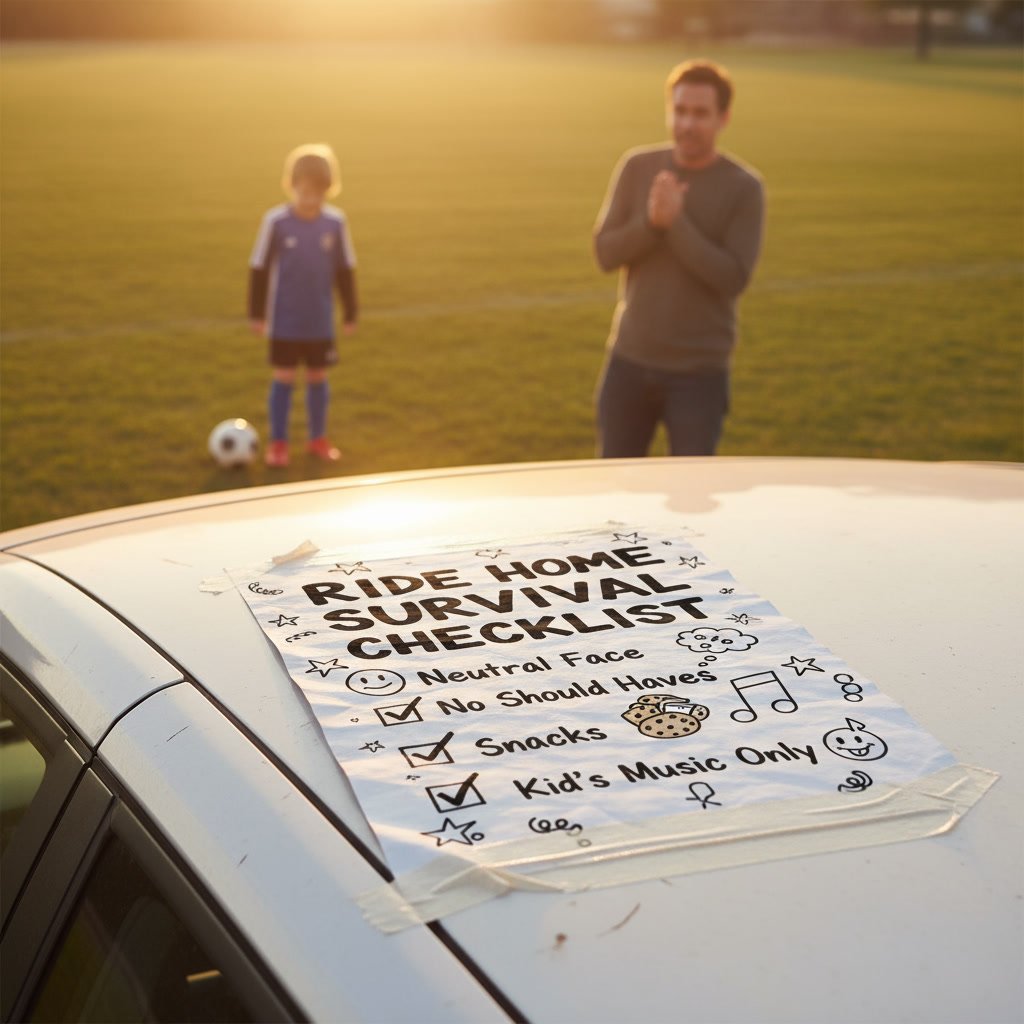
Every parent thinks they are ready for the ride home. They are not. The car after a tough loss is the most emotionally unstable environment in all of youth sports. You can feel the tension the moment the seatbelt clicks. The kid sits quietly. The air goes heavy. The silence gets so loud you could hear a cleat drop. If there were ever a moment to choose your words wisely, this is it.
Understanding how to talk to kids after a tough loss starts right here. Not with advice. Not with analysis. With survival.
Rule One. Let the kid make the first noise. A sigh counts. A backpack drop counts. A sneeze is practically a contract agreement.
Rule Two. Avoid any sentence that begins with should have or why did you. Those phrases turn you into a prosecutor and your kid into someone planning an escape route.
Rule Three. Keep your face so neutral it could be used for scientific research. No squinting. No dramatic exhale. No disappointed nostril flares.
Rule Four. Play their music. Not your nostalgic playlist from college. Not the motivational podcast you were listening to earlier. Their music. It resets the atmosphere faster than anything else.
Rule Five. Understand that snacks are emotional first aid. A granola bar can prevent tears. Fries can restart a soul. Sometimes the secret to post-game recovery is carbohydrates.
Rule Six. Drive like two weary travelers returning from battle. Smooth. Quiet. Respectful of the moment. No sudden conversation starters. No forced pep talks. Just safe passage.
This is the real roadmap. If you want to talk to kids after a tough loss without triggering an emotional collapse, you survive the ride home with patience and presence. The silence is not rejection. It is recovery. And when you get this moment right, you become the one place your kid knows they can land after the hardest days.
THE PARENT PLAYBOOK: WHAT TO SAY RIGHT AFTER A TOUGH LOSS
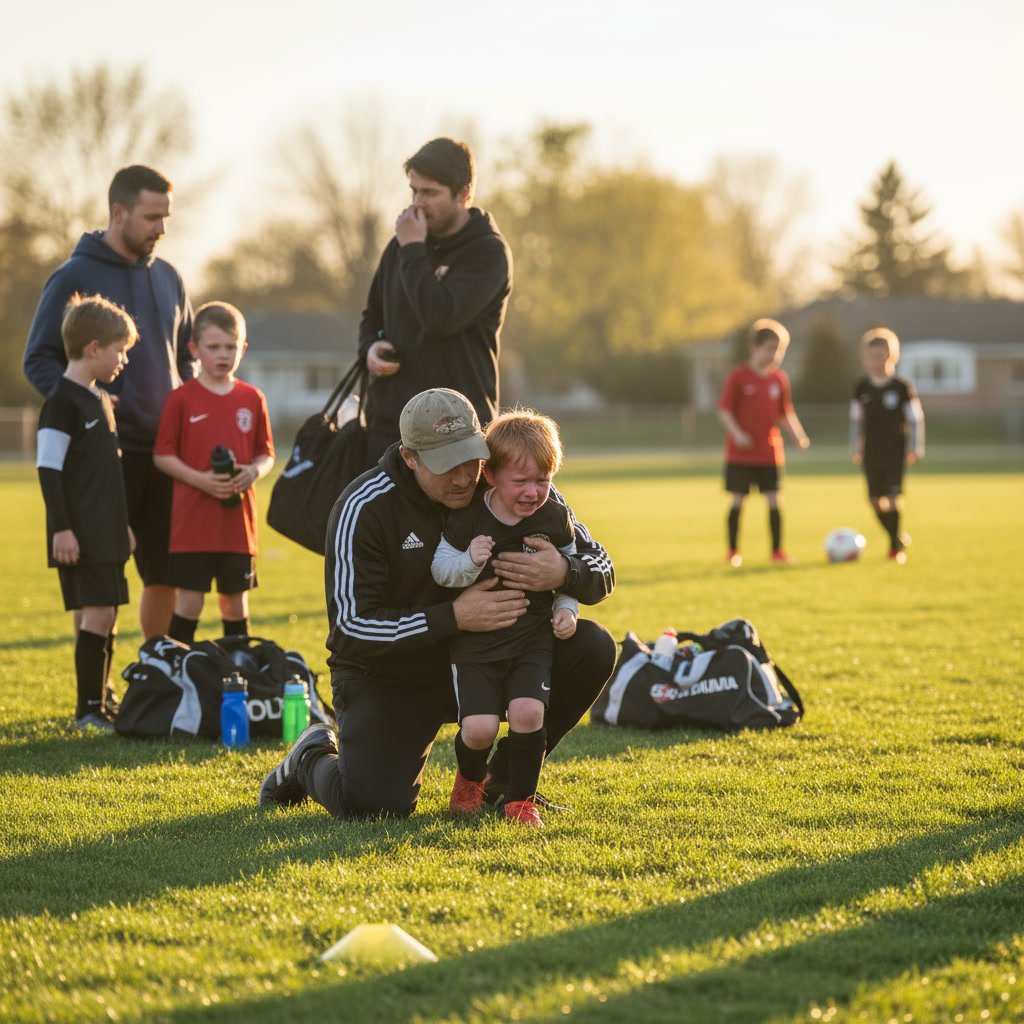
Every kid remembers this moment. Every parent fears it. The game ends, the adrenaline fades, and your child walks toward you carrying far more than a score. Their shoulders are tense. Their breaths are short. Their face is trying, unsuccessfully, to hide the sting of the day. You can feel the weight before they even reach you. This is the moment that matters more than any stat line or scoreboard. This is where your words become either a lifeline or a landmine.
Parents always believe they need the perfect speech. They don’t. They need the right tone. They need the right presence. They need to understand that talking to kids after a tough loss is not about fixing anything. It is about giving your child a safe place to land when they feel like they have fallen.
These phrases work because they meet your kid exactly where they are. They do not push. They do not correct. They do not evaluate. They steady the moment.
I loved watching you.
This line is bulletproof. No kid on Earth can misunderstand it. It strips away the pressure and reminds them that their worth has nothing to do with how they played.
I am proud of the effort you gave.
Effort is the only thing kids can truly control. Re-centering them on that brings them back to solid ground.
That was tough. How are you feeling.
This is where connection begins. Not with analysis. Not with coaching. With curiosity. With care.
You handled that better than you realize.
Kids magnify their mistakes. They shrink their strengths. This line pulls the truth back into focus.
If you want help with anything this week, I am here for you.
You offer support without forcing it. You open the door without pushing them through it. That balance is the foundation of trust.
Want to go get food.
The universal emotional reset button. The peace treaty. The great equalizer. The unofficial trauma counselor of youth sports. A plate of fries has pulled more kids out of post-game despair than any motivational speech in the history of parking lots.
This is how you talk to kids after a tough loss without making the moment heavier. You bring calm where there is chaos. You bring love where they expect judgment. You give them the one thing they are too overwhelmed to ask for.
Safety.
Kids do not need perfect parents. They need predictable ones. Ones who show up the same way after the great days and the brutal ones. Ones who make the post-game moment feel less like an evaluation and more like home.
Get this part right and your kid learns something they will carry far beyond sports.
Losing is part of the game.
But coming back stronger comes from you.

Hockey ERA Hoodie
A soft, warm hoodie made for rink life. Perfect for early practices, cold arenas, and parents who never stop cheering.

Dangle Snipe Celly
A comfortable, rink-ready hoodie for hockey lovers. Warm, bold, and perfect for players and parents alike.
Kid POV Translation Guide

Kids do not speak English after a tough loss. They speak Emotion. Their bodies slump. Their eyes go distant. Their voice shrinks into short, protective phrases that hide far more than they reveal. If you want to know how to talk to kids after a tough loss, you have to learn to hear what they are actually saying, not the words coming out of their mouth.
“I am fine” sounds harmless, but it is the youth sports version of a fire alarm with a smiley face on it. It means I am absolutely not okay, but if you push me right now the entire emotional dam will crack.
“It is whatever” means I care so much that admitting it out loud would make me feel even more exposed. Pretending to be unfazed is the only armor I have at the moment.
“I do not care” means I care more than you will ever understand. I am just too overwhelmed to unpack it and too tired to try.
“Can we get food” means I am collapsing on the inside and I need comfort, warmth, and something salty before I can start thinking straight again.
Kids hide their real emotions because vulnerability feels dangerous in the first minutes after a tough loss. They use short phrases as shields because they cannot trust the moment yet. This is why parents who understand the translation feel like mind readers. They respond to the emotion instead of the words.
This is the heart of knowing how to talk to kids after a tough loss. You are not decoding sentences. You are decoding feelings. You are showing your child that you can hear them even when their words are small and evasive. And once they feel understood, they open up on their own.
When you can translate what your kid is really saying, you are not just avoiding landmines. You are protecting their heart.
The Twenty Four Hour Reset

Time does what parents cannot. It softens everything. The next morning always feels different. The air is lighter. The pressure has faded. Breakfast tastes like breakfast again. The world feels normal. What felt overwhelming yesterday now feels like something a kid can actually talk about.
This is the moment when progress happens. Not in the car. Not in the chaos. In the quiet hours after the storm has passed.
Now you can start asking real questions in a way that feels gentle and safe.
What felt good yesterday.
What felt heavy.
What moment stuck with you.
What is one small thing you want to work on next time.
These questions seem simple, but they do something powerful. They shift your kid from replaying the past to reshaping the future. Kids bounce back fast. They do not bounce back because they forget. They bounce back because they forgive themselves quicker than adults do. Meanwhile the parents are still replaying the loss like it is a crime scene investigation.

A Confidence Boost for the Morning After
A tough loss hits hard. A breakout hits harder. Mighty Patch saves the day when your athlete needs a confidence boost before school the next morning.
Give your kid the “I feel better already” miracle patch.
This is the heart of knowing how to talk to kids after a tough loss. You wait until the emotion settles. You let them lead the conversation. You follow their pace instead of your overthinking adult brain. Once the pressure dissolves, kids open up on their own. They are ready to reflect. They are ready to set new goals. They are ready to move forward.
The twenty four hour reset teaches something far deeper than sports. It teaches that bad moments are temporary and effort is renewable. When you give your child space, patience, and a calm place to land the next day, you show them the real meaning of resilience.
You are not just helping them recover.
You are teaching them how to begin again.
How Tough Losses Build Stronger Athletes And Stronger Humans

Wins build confidence. Losses build character. A tough loss reshapes a kid in ways a victory never will. Wins feel light. Losses feel heavy. And it is in that heaviness where kids learn the things that actually matter. They learn resilience because they have to get up the next day whether they want to or not. They learn accountability because they start to understand the power of owning a moment without letting it define them. They learn perspective because life is not a highlight reel and some days are simply hard.
If you know how to talk to kids after a tough loss, you help them see failure for what it really is. Not a dead end. Not a verdict. Not a label. Failure is a classroom. It is a coach. It is the space where kids grow the most, often quietly, often when no one is watching. Kids grow in the gap between disappointment and determination, and that gap is where the real magic of youth sports happens.
Losses do something wins cannot. They crack kids open just enough to let strength grow in places it never existed. They teach a child how to breathe again after the sting fades. They teach them how to tie their shoes the next day with a different kind of resolve. They teach them that feelings pass and effort returns and tomorrow will always offer another chance.
And yes, a tough loss builds better humans than any overpriced motivational camp. It builds kids who can handle pressure. Kids who can admit mistakes. Kids who know how to stand tall after falling hard. Kids who learn that adversity is not the enemy. It is the invitation.
Tough losses do not break kids.
They build them.
They build athletes who believe in themselves even when things go wrong.
They build adults who are steady, resilient, and unshakeable.
They walk off the field different.
Not broken.
Built.
The Words That Stay With Them for Life
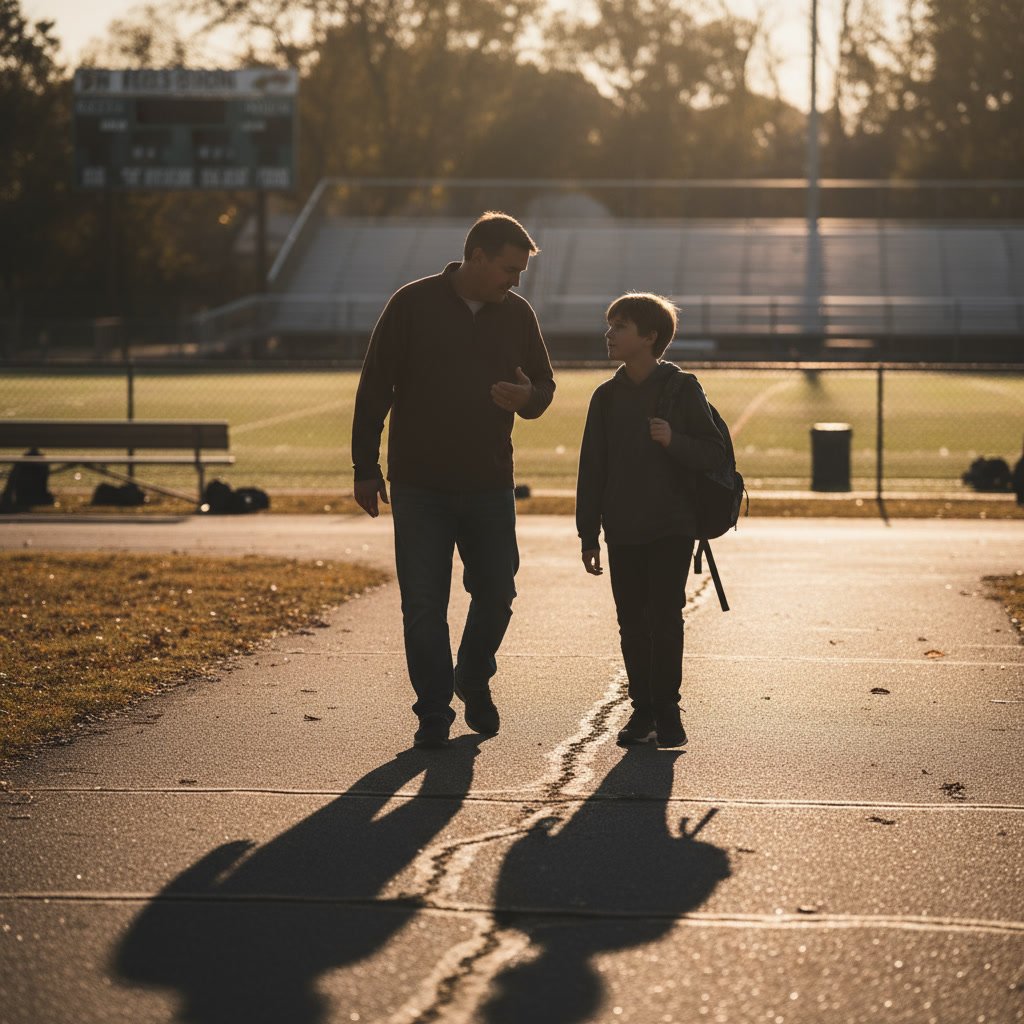
One day you will look around and realize youth sports moved quietly into the past. The routines that once ruled your weekends will fade. The early morning drives. The cold bleachers. The gear scattered across your trunk. All of it shifts into memory far sooner than any parent expects. What stays is not the medals or the wins. It is the moments when your kid needed you most.
The hardest days leave the deepest imprint. Not because of the loss itself, but because of the way you showed up. Years from now your child will not remember the final score of a random Saturday game. They will not remember which referee missed a call or how many shots they took. What they hold onto is the way you talked to them when the world felt heavy. How your voice sounded when they opened the car door after a rough performance. Whether you made them feel safe when they were embarrassed or frustrated or on the edge of tears.
Talking to kids after a tough loss has never been about fixing anything. It is about shaping the inner voice they carry into adulthood. It is about teaching them that disappointing moments are survivable. It is about showing them that struggle does not change the way you see them. Kids do not remember the technical advice. They remember the tone you used when they felt vulnerable.
This is the part of youth sports that lasts. Not the trophies. Not the highlights. The connection. The trust. The steady presence only a parent can give. One day your kid will face something that feels like a tough loss in the real world, far from a field or a scoreboard. And without even realizing it, they will hear your voice guiding them through it.
That is the legacy you are building every time the game ends and your child looks to you first.
That is where the real winning happens.

XbotGo Chameleon
Capture every play with smooth, automatic tracking. Perfect for parents and athletes who want easy, high-quality game footage.
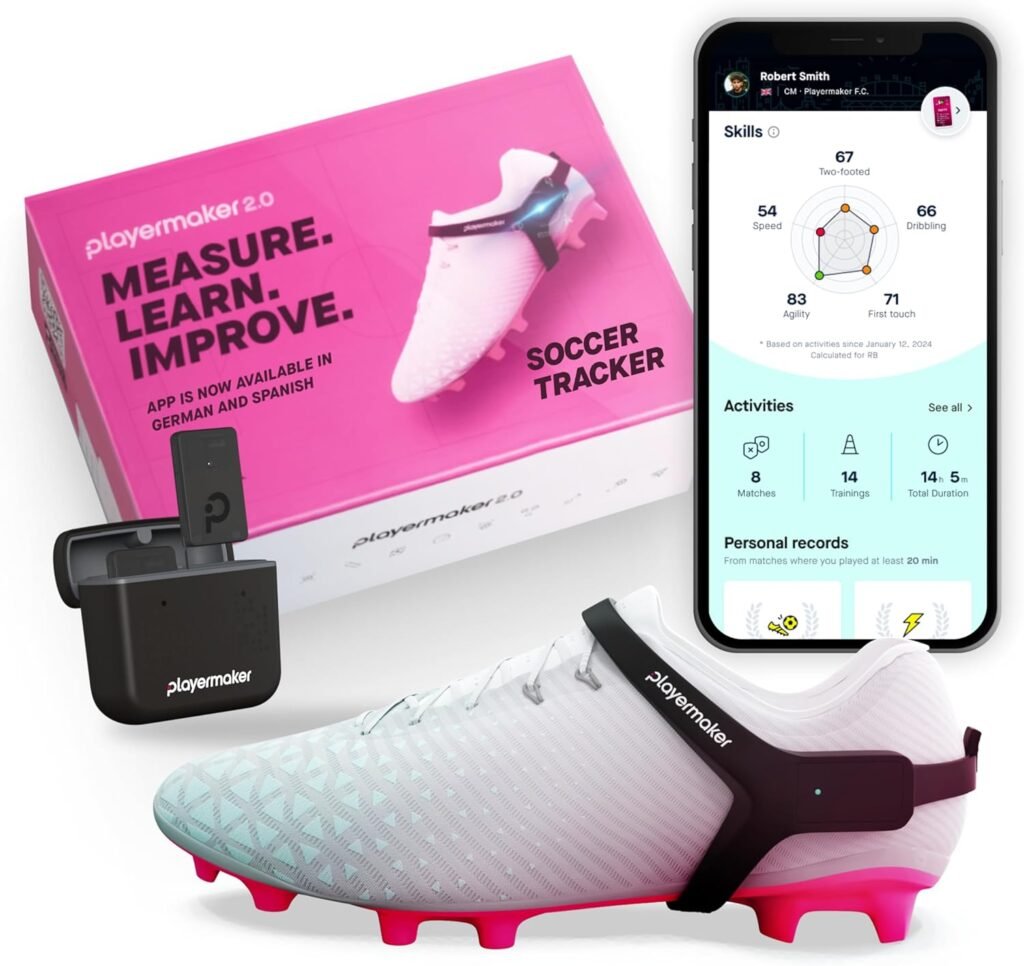
Playmaker Soccer Tracker
Track touches, speed, and movement with pro-level accuracy. Clips onto your cleats and syncs to your phone for instant insights.
Next Up on Sideline Legends
He Rolled Onto the Court: A Positive Youth Sports Story That Inspired a Town
A small moment turned into a massive reminder of why youth sports matter. This is the kind of story parents need when the season feels long, messy, and overwhelming.
Playermaker 2.0 Review: The Smart Soccer Tracker That Actually Understands Your Feet
If your kid plays soccer and you want real data without the nonsense, this review breaks down the tracker everyone on the sideline will be talking about.
The Real Sports News: What Parents Actually Talk About on the Sideline
Forget ESPN. The real headlines happen between folding chairs, half-eaten snacks, and whispered commentary. Here is the truth about what parents REALLY discuss during games.
The Brutal Truth About Parents Attending Practice and Why It Drives Coaches Crazy
If you think showing up to every practice makes you the supportive parent, you need this read. This article explains the unspoken sideline rules coaches wish every family knew.
Your Most Important Post-Game Questions, Answered
What should I say first after a tough loss?
Start with calm support: “I love watching you play.” It lowers pressure and helps your child feel safe instead of judged.
How do I help my child handle disappointment?
Acknowledge the emotion before anything else. “It’s okay to feel upset.” Kids move forward faster when their feelings are validated.
Should I talk about mistakes right away?
No. Let emotions settle first. When they’re ready, keep it gentle and focus on progress, not blame.
What if my child doesn’t want to talk?
Give them space. Some kids need quiet to process. Circle back later with a simple, open question like, “How are you feeling now?”
How can I boost their confidence after a bad game?
Highlight effort, attitude, and resilience. Remind them one game never defines who they are or who they will become.