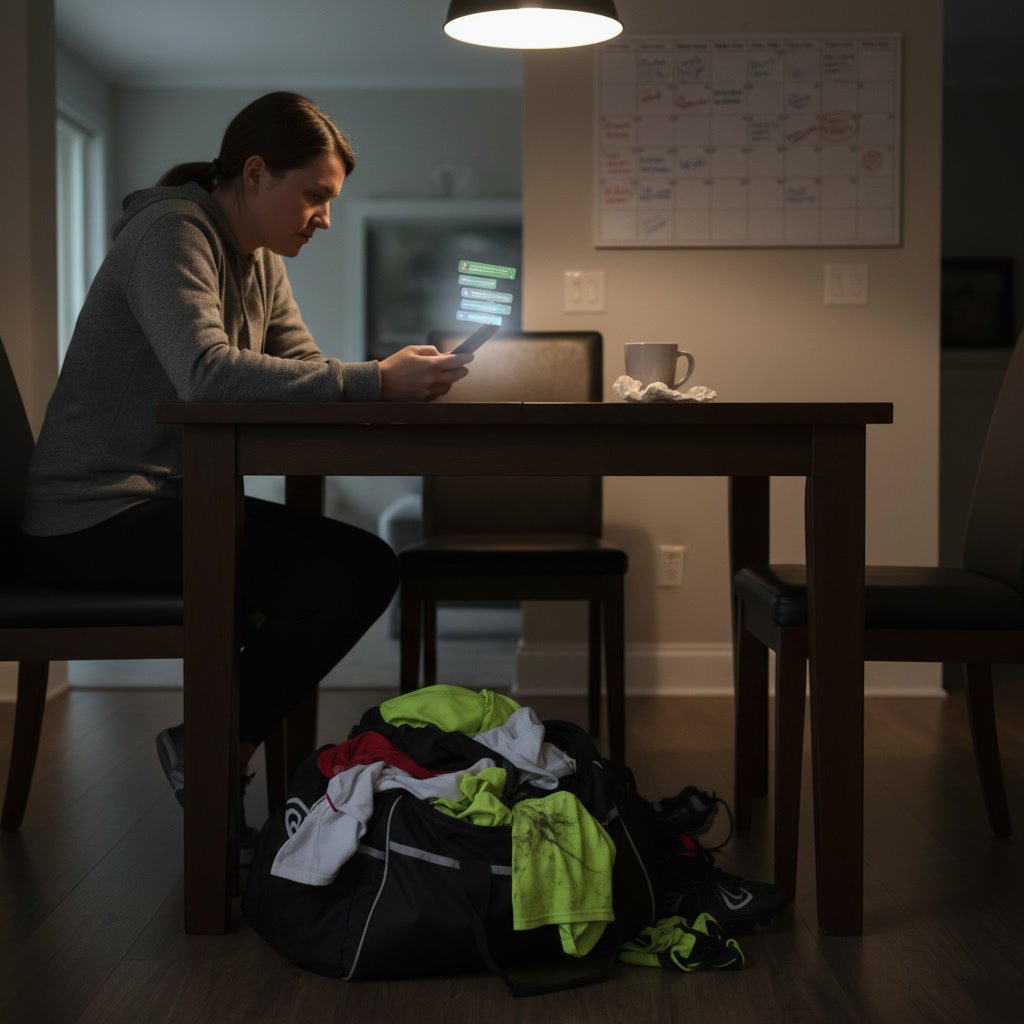
Parent burnout does not show up on Monday morning. It shows up on Sunday night, when you are staring at damp uniforms and your phone keeps buzzing with team messages that could have waited.
THE SUNDAY NIGHT NOBODY TALKS ABOUT

Sunday night is not relaxing when you are a sports parent. It is logistics pretending to be downtime.
The kids are clean, the bags are half unpacked, and the car smells like turf and old snacks. You already know tomorrow’s schedule, but you check it anyway just in case something changed.
You love your kid and you love watching them play. You are proud of their effort. You are also completely exhausted.
Parent burnout builds quietly over a season. It does not come from one bad game or one long weekend. It comes from carrying the planning, the emotions, and the pressure week after week without ever fully shutting off.
That feeling is not weakness. It is parent burnout, and Sunday night is where it shows itself first.
What Parent Burnout Actually Looks Like in Youth Sports
Most people think parent burnout in youth sports looks like yelling from the sideline or losing patience during a game. In reality, it shows up much quieter than that and much earlier than anyone expects.
It looks like feeling relieved when practice gets canceled, even though you would never say that out loud. It sounds like a long sigh when the schedule updates again for the third time in a week. It feels like opening a team message, closing it, and deciding you will deal with it in five minutes because you just do not have the energy right now.
It also shows up in small habits. Checking the schedule even though you already know it. Mentally planning the next weekend before this one is even over. Hoping for rain, not because you hate sports, but because you are tired.
You still care about your kid. You still care about their experience, their growth, and their happiness. You are not negative or checked out.
You are just tired of carrying the planning, the pressure, and the emotional weight that never really turns off.
That is parent burnout, and it is far more common among sports parents than anyone likes to admit.
The Moment Parents Realize It Is Burnout

Parent burnout usually does not announce itself during a game. It shows up later, often on Sunday night, while you are folding laundry or loading the car and thinking about doing it all again.
The thought is small but uncomfortable. “I do not have the energy for another weekend like this.”
That thought surprises you because it feels wrong. You love watching your kid play, so why does the idea of another tournament feel heavy instead of exciting?
Then the guilt kicks in. You tell yourself other parents would be grateful for this schedule. You remind yourself that your kid is lucky. You try to push the feeling away.
A moment later, it finally makes sense. The exhaustion is not about one game or one weekend. It is about weeks of planning, driving, packing, coordinating, and carrying the emotional weight without ever fully shutting off.
Parent burnout does not arrive loudly or dramatically. It settles in quietly, blends into your routine, and waits until Sunday night to remind you it is there.
Why Sunday Night Hits Parents Harder Than Kids
Kids finish a game and move on fast. They think about food, friends, and sleep. By the time they are home, the game is already over in their heads.
Parents do not reset that easily. They replay effort, decisions, money, time, and development. They wonder if the coach noticed. They wonder if that one moment mattered. They wonder if the weekend was worth everything it took to make it happen.
Kids play the game that lasts an hour. Parents carry the version that lasts all week.
Parents manage the schedules, the logistics, the emotions, and the long-term questions that never fully shut off. That mental load follows them straight into Sunday night.
That is why parents burn out first. Kids get a shower and move on. Parents take the whole season home with them.
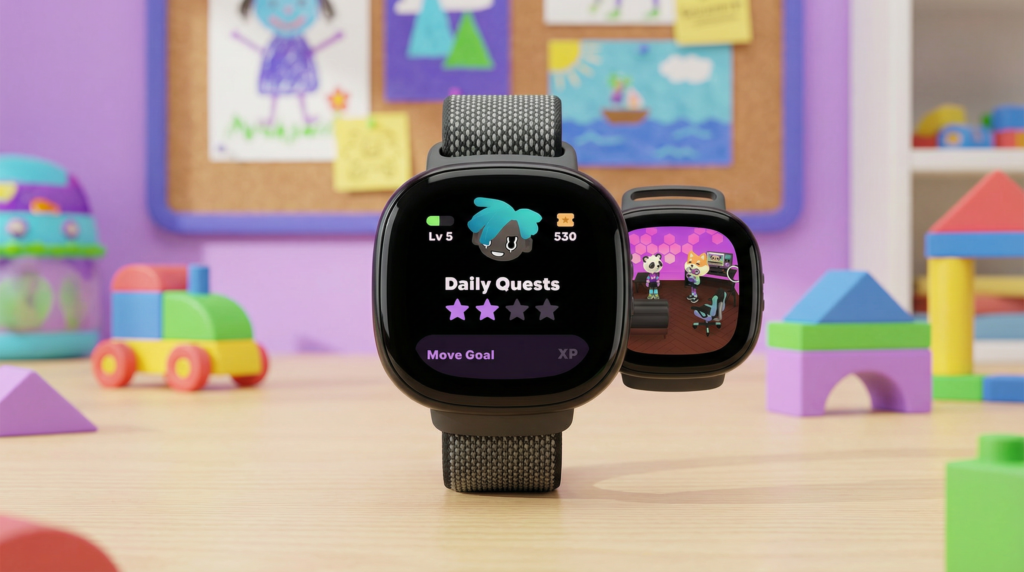
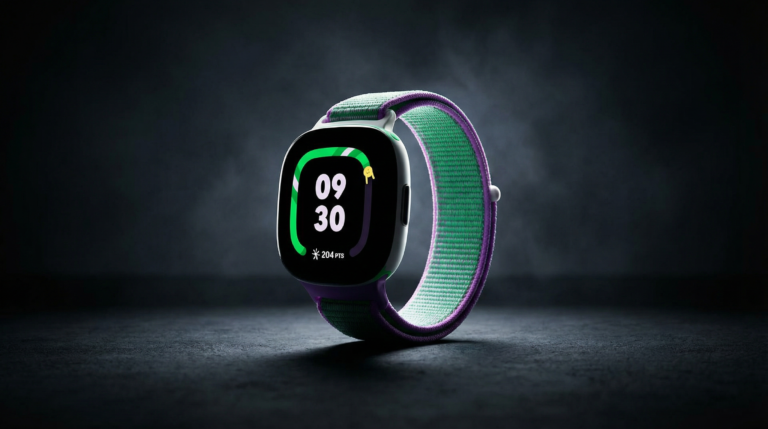
Fitbit Google Ace LTE Smartwatch
Calls, messages, GPS tracking, and activity-based games that get kids moving instead of glued to a screen. Parents get peace of mind. Kids feel independent. Everyone wins. Stay connected without a phone!
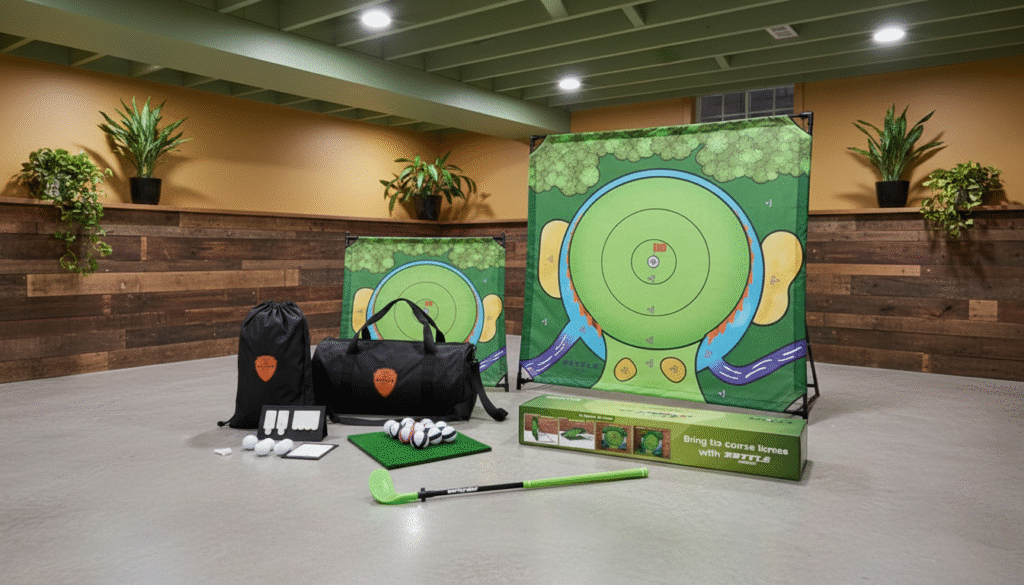
indoor Golf Chipping Game
Rainy day. Off-season. One more “I’m bored.” This portable chipping game turns any room into a quick competition that dads and kids actually enjoy without wrecking the house. Play anywhere, anytime!

Overmont Heated Stadium Seat with Back Support
Cold bleachers ruin moods fast. This heated, cushioned stadium seat keeps you warm, supported, and comfortable through long games, tournaments, and weather you definitely did not sign up for. Sit warmer. Stay longer!
What Parent Burnout Does to Your Brain
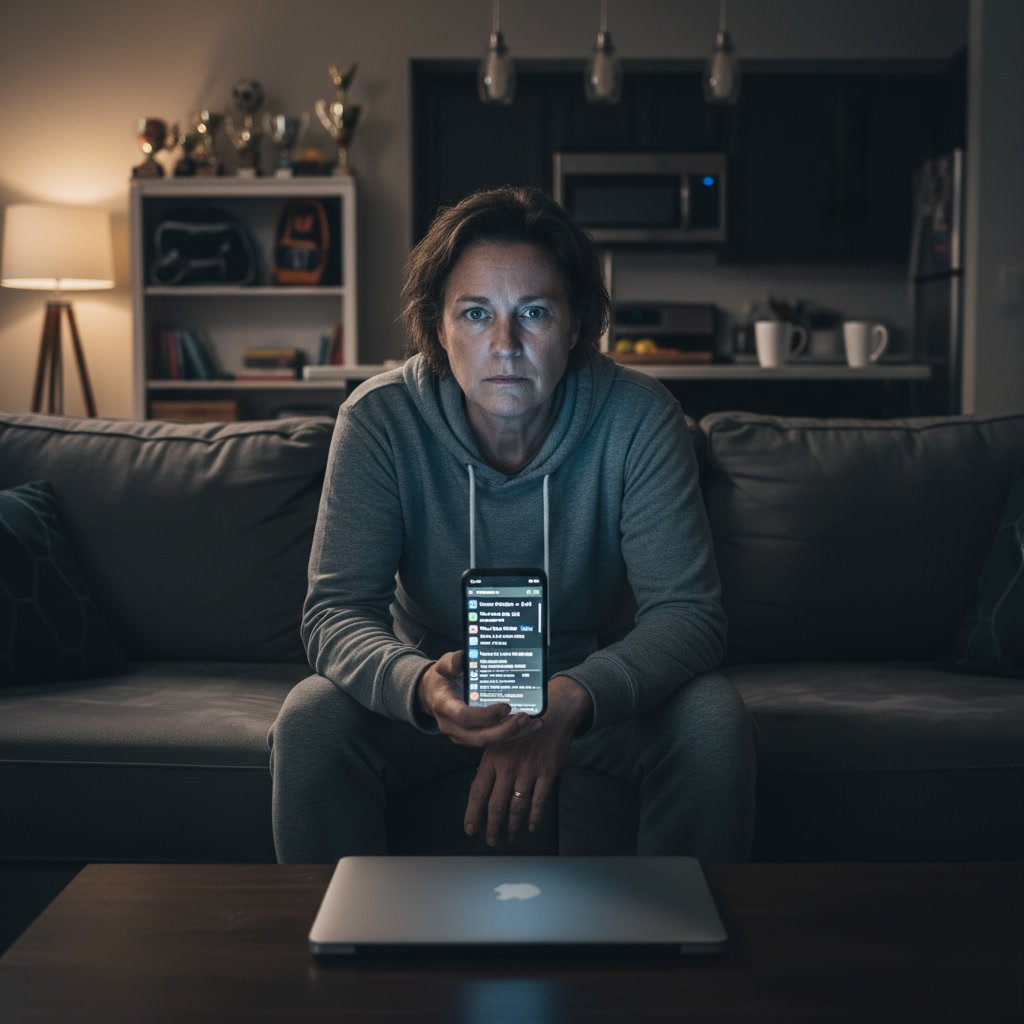
Parent burnout is not just emotional. It is neurological. Youth sports never fully turn off, even when the games are over and the house is finally quiet.
Your brain stays in problem-solving mode all season. You are tracking schedules, logistics, costs, rides, emotions, and what comes next. There is always something to plan, confirm, or anticipate, even on nights when nothing is technically happening.
That creates decision fatigue. Stress stays low enough that you can function, but constant enough that you never fully relax. You sit down, but your mind keeps running through what needs to be packed, charged, washed, or remembered.
Rest never quite lands. Even downtime feels temporary, like you are waiting for the next notification or schedule change.
Most kids reset in hours. They shower, eat, sleep, and move on. Parents reset in days, because their brains never really get the signal that it is safe to shut off.
That gap is where parent burnout quietly builds.
Screenshot This. The 3 1 0 Monday Reset for Parent Burnout
Parent burnout does not need another system, routine, or mindset overhaul. It needs something simple enough to use when you are already tired and your brain is still stuck in the weekend.
This is the part parents save because it meets them exactly where they are. It does not ask you to fix everything or get ahead of the season.
It is not another checklist that turns into one more thing you feel behind on by Tuesday. It is not a productivity plan pretending to be self-care.
This reset exists for Monday morning, when the bags are still by the door, the weekend is still sitting in your body, and you need just enough structure to stop the spiral without adding pressure.
Small on purpose. Easy to remember. Designed to lower the mental load instead of adding to it.
That is why it works.
The 3 Things You Prepare
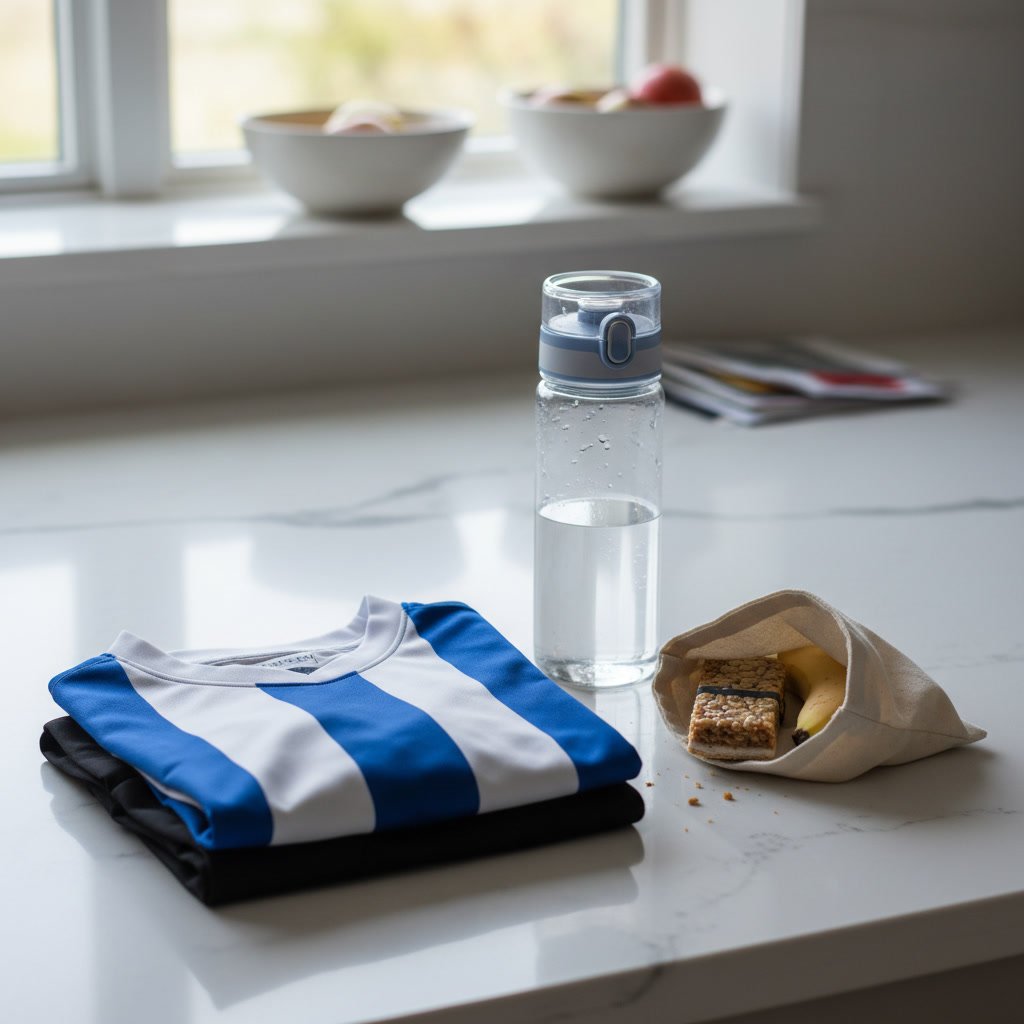
This part works because it is intentionally small. The goal is not to feel organized or ahead. The goal is to reduce the low-level panic that usually shows up on Monday morning.
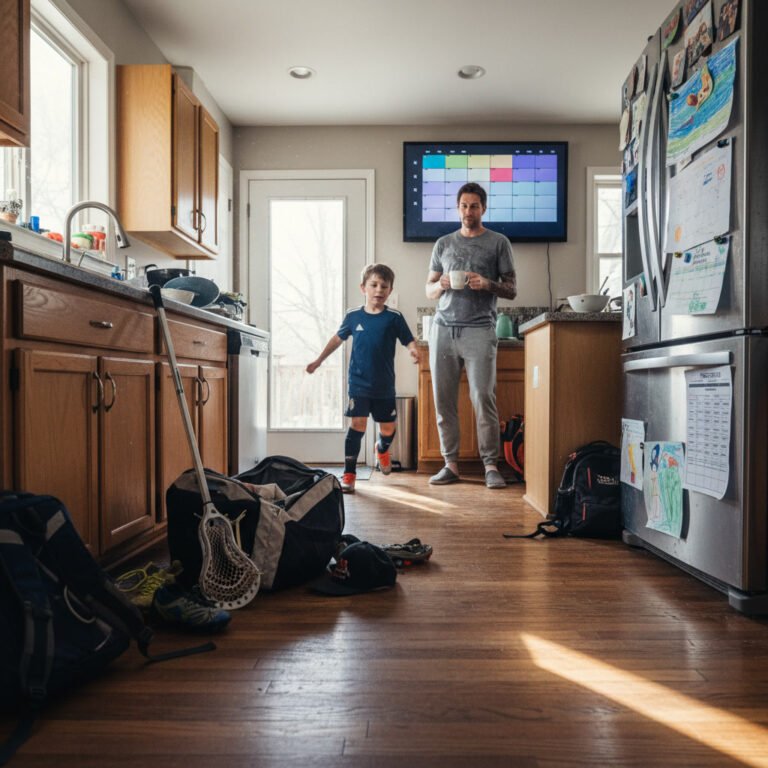
First, put the uniforms in one place. They do not need to be perfect. They just need to exist where you expect them so you are not searching for missing pieces before school.
Second, handle the water bottles. Wash them or replace them. This removes one of those annoying problems that always seems to show up at the worst possible time.
Third, choose one snack that requires zero thinking. Something you can grab without planning, debating, or realizing too late that nothing is ready.
Then stop.
This is important. Stopping is part of the reset. The moment you add more, preparation quietly turns into another responsibility.
Three things lower the mental load. Anything beyond that starts to rebuild it.

BlazePod Reaction Training Kit
Speed, agility, reaction time, and focus all in one setup. These smart pods turn boring drills into competitive games athletes actually want to do, whether it’s solo training or team workouts. Train faster. Think quicker!
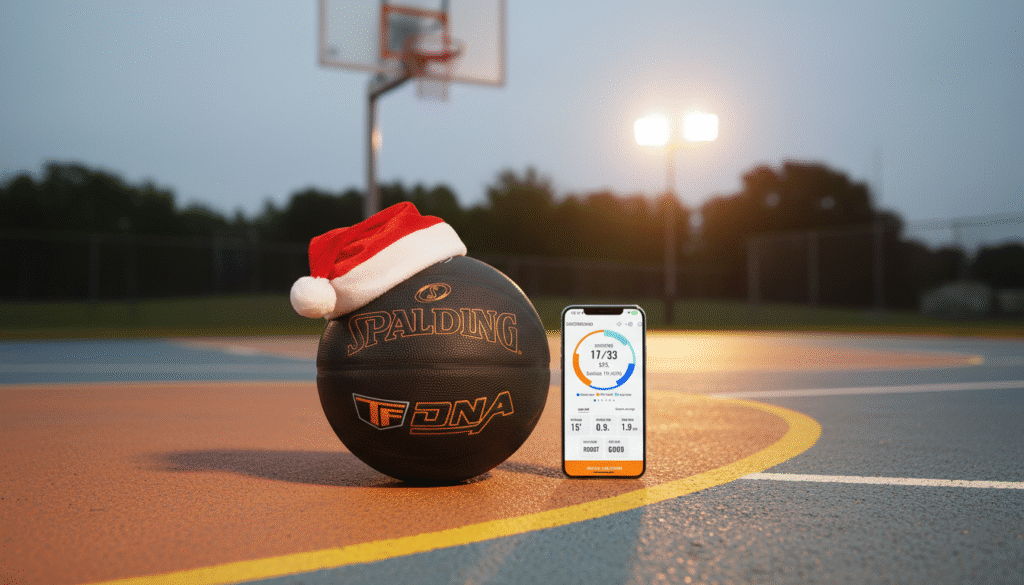
Spalding TF DNA Smart Basketball
This looks like a normal ball until you realize it tracks shots, makes, and reps through the app. Great for backyard work, solo sessions, and players who want real feedback without a coach standing over them. Shoot smarter, not just more!
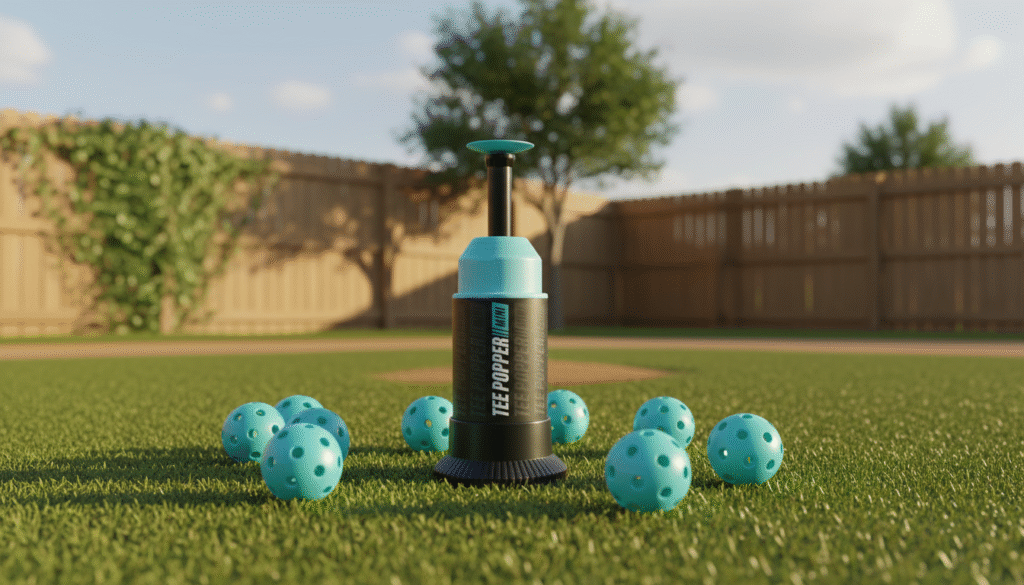
Bandit Sports Mini Tee Popper
Perfect swings without needing a pitcher, a cage, or another person. This mini tee popper helps hitters work on timing, mechanics, and consistency in quick sessions that actually fit real schedules. Get reps without the setup!
The 1 Thing You Drop
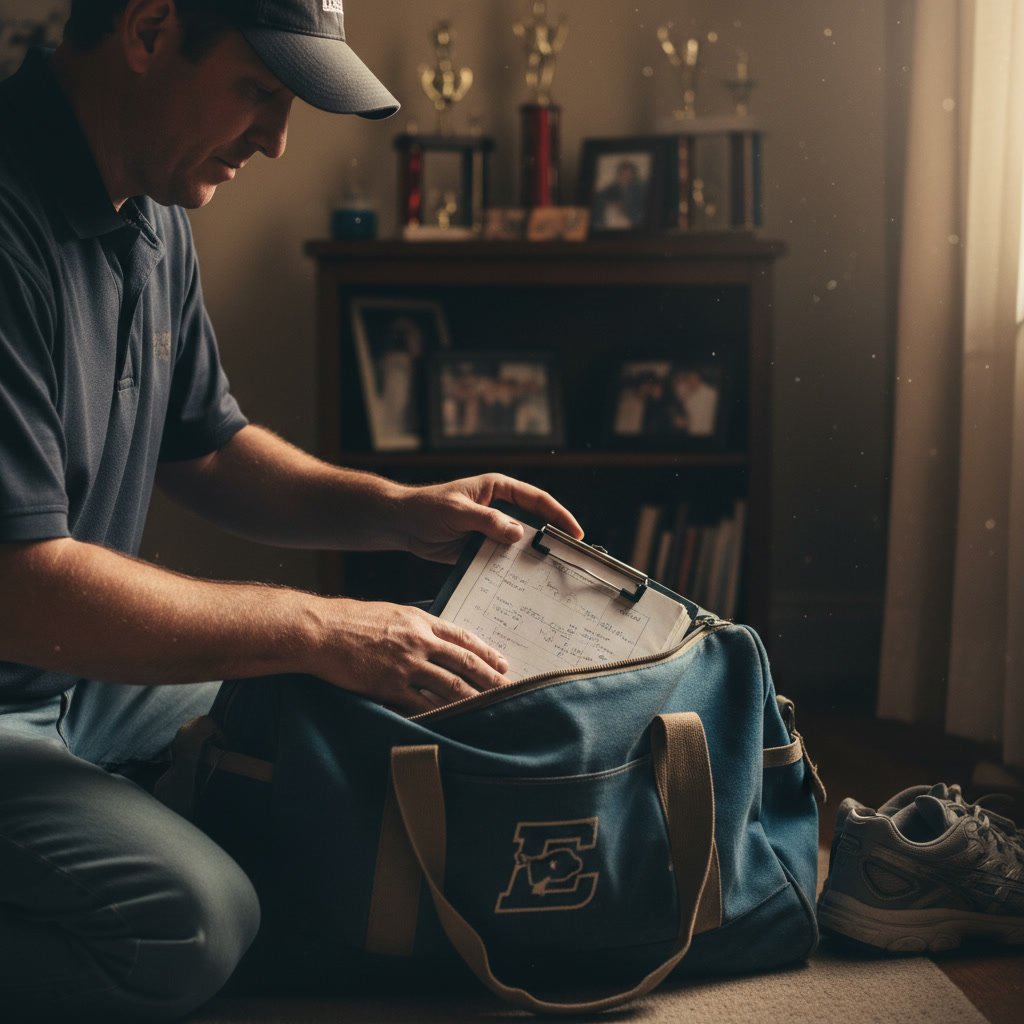
This is the hardest part of the reset, and the one most parents resist.
You drop the game. Not because it did not matter, and not because you do not care. You drop it because replaying it on Sunday night does not help anyone.
That means no mental replays, no car ride coaching, and no “next time” speeches disguised as support. Even well-intended feedback can feel heavy when your kid is already tired and emotionally done.
Dropping the game protects more than feelings. It gives both of you a break from problem-solving mode and lets the nervous system come back down before Monday starts.
This is not avoidance. It is timing.
Just for now, the game is over.
The 0 Conversations in the Car
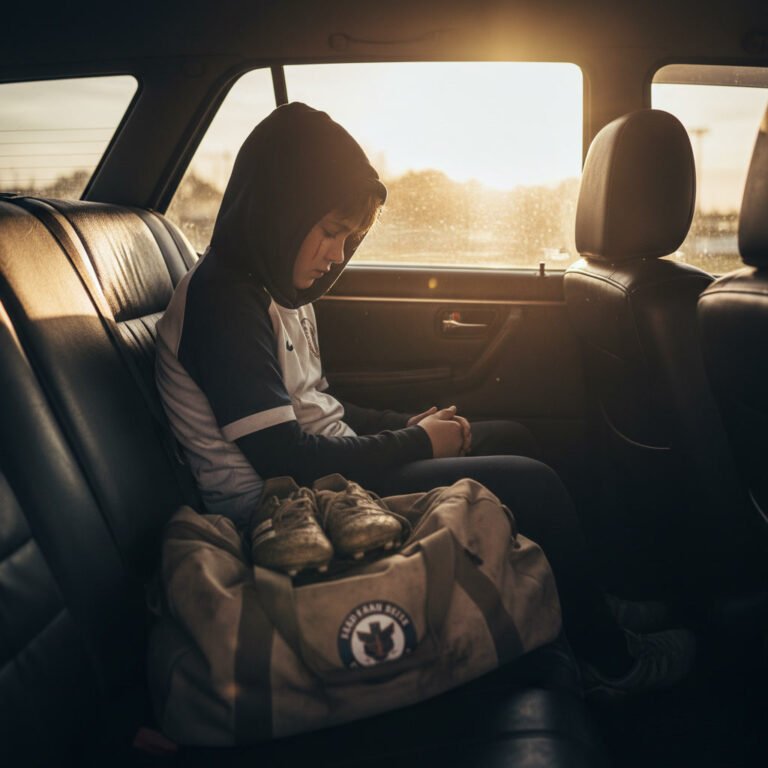
The car stays quiet. Not awkward. Not cold. Just quiet.
Many parents worry silence feels distant or uncaring. In reality, it is often the most supportive thing you can offer after a long weekend.
Silence gives kids space to reset without having to explain themselves, defend their performance, or relive moments they are already done processing. It gives you space to breathe instead of filling the drive with feedback, encouragement, or analysis that lands heavier than you expect.
Nothing important needs to be said in the car. The game does not need to be processed in motion. In almost every case, waiting improves the conversation instead of harming it.
Quiet is not disengagement. It is decompression.
Things Sports Parents Are Tired of Pretending Are Fine
Sports parents joke about a lot of things because joking feels easier than admitting the truth.
Group chats that never sleep are not fine. Schedule changes sent at night are not fine. “Just one more tournament” is almost never just one more, and everyone knows it.
We laugh about it in the bleachers and send the memes because that is how you survive the season. Humor turns chaos into something manageable.
But pretending it costs nothing is where parent burnout starts to grow. Time gets eaten. Energy disappears. Weekends blur together. Even the fun parts start to feel heavy when there is no real off switch.
None of this means youth sports are bad. It just means the price is real, even when everyone acts like it is normal.
The Do Less Parent Advantage
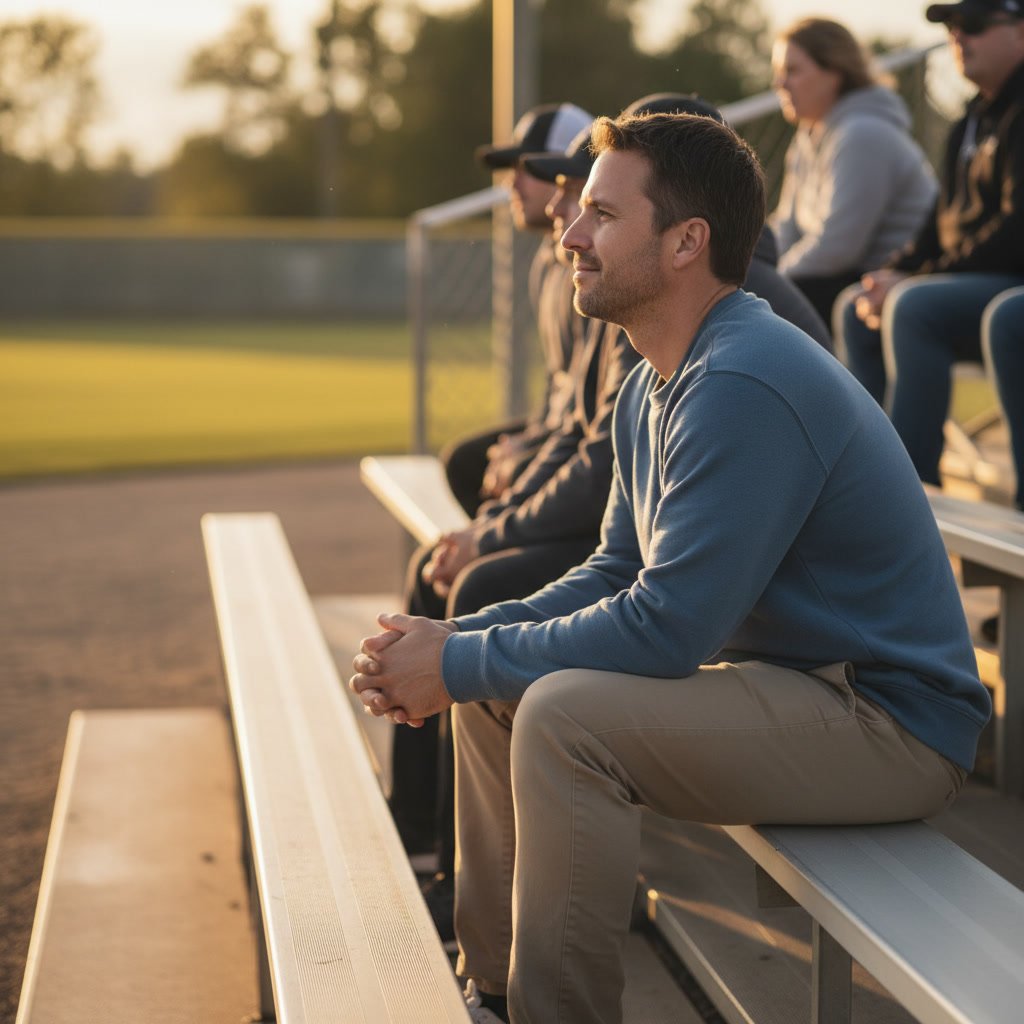
This part feels backwards, which is why most parents fight it.
Kids play better when parents stop trying to manage everything around them. Pressure leaks, even when intentions are good and words are supportive.
The more parents hover, analyze, and solve, the smaller the game can feel to a kid. When parents step back, space opens up. That space is where confidence actually grows.
Doing less does not mean caring less. It means trusting the process instead of controlling it. It means letting kids own the game instead of carrying it for them.
The calm parent is not checked out or disengaged. The calm parent is creating the conditions where kids can relax, compete, and enjoy playing.
That calm is the advantage most parents overlook.
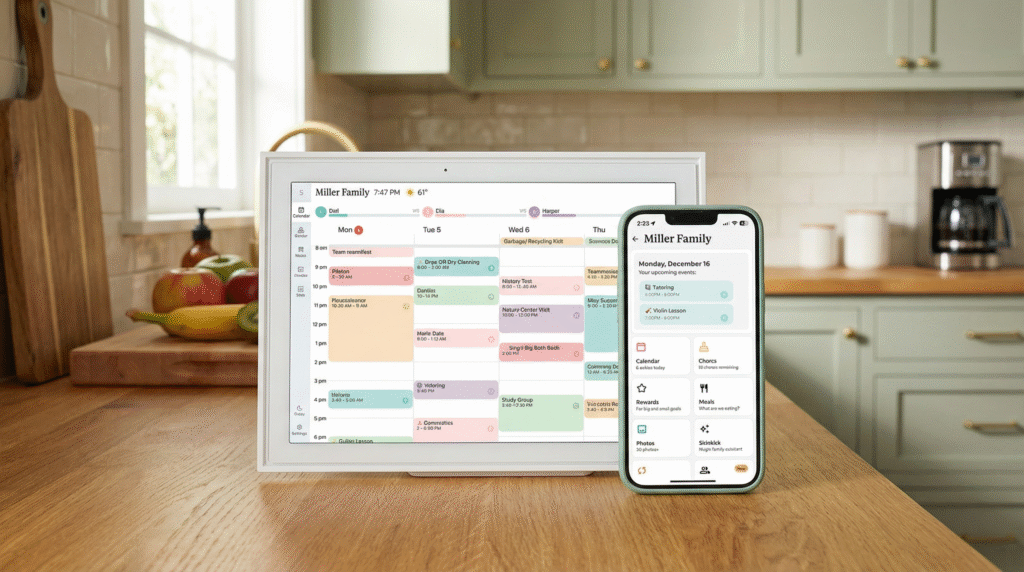
Skylight Calendar (15-Inch Digital Wall Planner)
Practices, games, school events, and chores all in one place. This touchscreen wall calendar syncs the whole family, cuts down on “I didn’t know,” and finally makes everyone’s schedule visible without another group chat. Put the chaos on the wall!

STANLEY Quencher H2.0 Tumbler (40 oz)
Long games, long days, and not enough breaks. This insulated tumbler keeps drinks cold for hours, fits in cup holders, and has a handle that survives bleachers, folding chairs, and car chaos. Stay hydrated all game long!
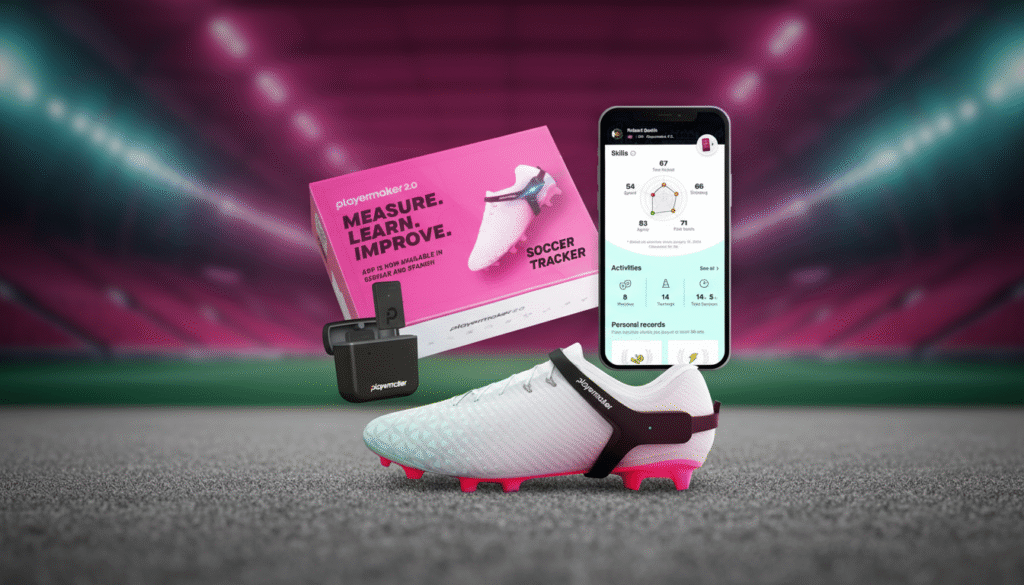
Playermaker 2.0 Smart Soccer Tracker
This cleat-mounted tracker goes way beyond basic GPS. It measures real soccer actions like touches, passing load, speed, and workload so players and parents can understand development without guessing or overanalyzing every game. See progress, not just stats!
Burnout Is Not a Parenting Failure
Parent burnout does not mean you are ungrateful or negative. It does not mean you secretly hate youth sports or wish your kid picked chess.
It means you are human and you have been running a full-time logistics operation on nights and weekends without ever clocking out.
You can love the journey and still be tired of the grind. You can be proud of your kid on Saturday afternoon and completely wiped by Sunday night. Both things can be true, even if no one posts that part on social media.
Burnout is not a flaw or a bad attitude. It is not something you fix by “remembering to enjoy it.” It is a signal that the load has gotten heavy and you have been carrying it quietly.
Listening to that signal is not weakness. Pretending it is not there is usually how parents end up snapping over something small and wondering how it got that far.
The Real Monday Morning Win

The real win on Monday morning is not being perfectly organized. It is not having the best planner, the cleanest trunk, or the most positive attitude before coffee.
The win is showing up calm.
Calm changes how kids walk into school. Calm changes how they step onto the field at the next practice. Calm lowers pressure without a single conversation or speech.
Nothing you said on Saturday matters as much as the energy you bring on Monday. Kids do not replay your words the way parents think they do. They absorb the tone.
A calm parent tells a kid, without saying it, that the weekend is over and it is safe to move forward.
That calm does not come from trying harder. It comes from letting go sooner, carrying less, and realizing you do not have to manage everything to be a good sports parent.
That is the real Monday morning advantage.
The Only Rule That Matters
Calm beats loud. Rest beats pressure.
That sounds simple because it is. It just happens to be the opposite of how most sports weekends end.
Parents think influence comes from talking, correcting, explaining, or motivating. In reality, kids pick up far more from tone than from words. Calm tells them the game is over. Rest tells them they are safe to move on.
You do not need the perfect speech. You need a nervous system that is not still buzzing from the weekend.
That is the real cheat code.
The Reset That Actually Lasts
You do not need to try harder. Trying harder is how most sports parents end up exhausted, irritated, and wondering why something that is supposed to be fun feels so heavy.
You need to carry less. Less replaying the game in your head. Less responsibility for outcomes you cannot control. Less pressure to do everything “right” for your kid every single weekend.
Next Sunday night, prep a little less and sit a little longer. Let the bags stay by the door. Let the uniforms wait. Let the weekend actually end instead of bleeding into Monday.
When the group chat starts buzzing, you do not have to jump in immediately. When the schedule changes again, you are allowed to sigh and not fix it right away.
Save this for the nights when you feel that familiar tightness in your chest and realize you are already tired of a weekend that is not even over yet. Send it to the parent who is always the first one there, the last one to leave, and the one everyone assumes has it together.
Parent burnout is real.
But it does not have to run the season.
Sometimes the best thing you can do for your kid is decide that this weekend is officially done.
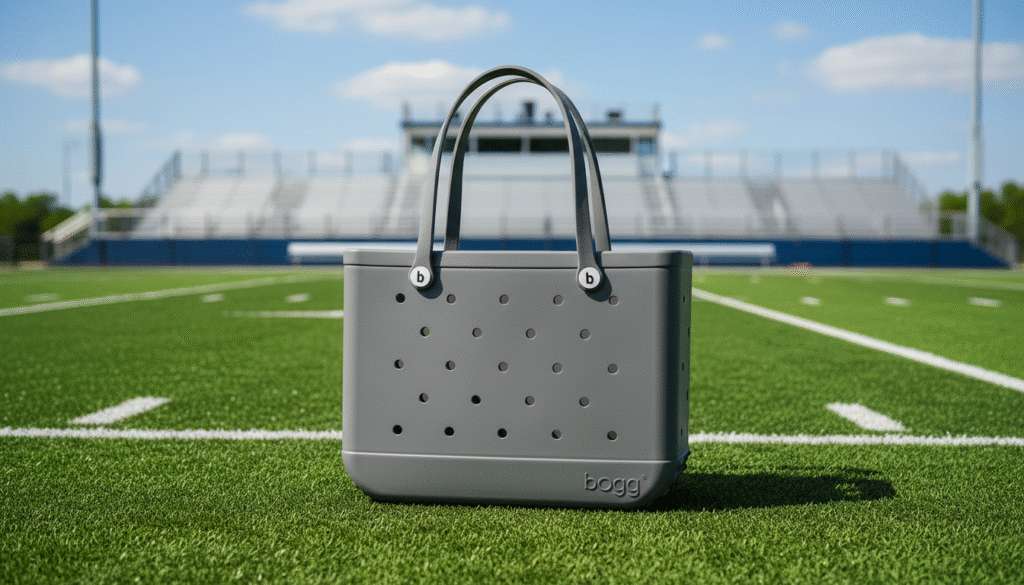
BOGG BAG All-Purpose Tote
Snacks, water bottles, towels, sunscreen, extra clothes, and somehow more stuff you did not plan for. This durable tote stands upright, wipes clean, and handles sports chaos better than any bag you have owned. Carry the chaos in one bag!
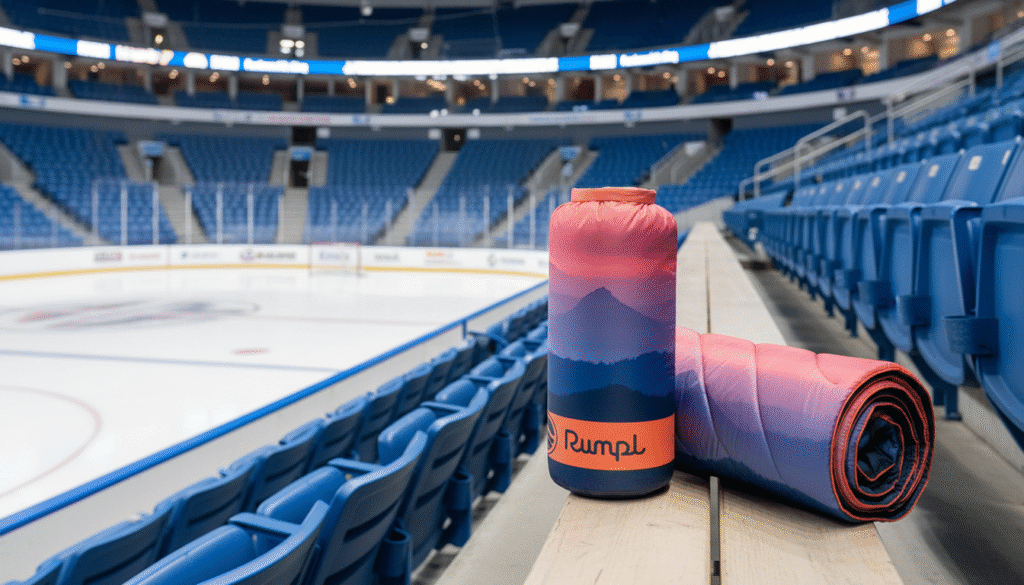
Rumpl Original Puffy Blanket
Cold mornings, windy fields, surprise rain. This warm, water-resistant blanket keeps you comfortable without hauling five layers of gear. Packs easy, dries fast, and somehow becomes the most popular seat on the sideline. Stay warm without the bulk!

“Living That Hockey Mom Life” Sweatshirt
Soft, casual, and honest. This is the sweatshirt you throw on for early practices, cold rinks, and weekends that live on bleachers. Comfortable enough to wear all day and bold enough to say exactly what life looks like right now. Wear the title proudly!
Read This Next (Because the Chaos Never Stops)
If this hit a little too close to home, here’s where to go next.
The Team Chat Notification Apocalypse 2026
Why youth sports group chats never sleep, how they hijack your sanity, and the unspoken rules every parent pretends to understand but secretly hates.
The Ultimate Sideline Survival Tool: Why the GoPro HERO13 Black Is the Only Teammate You Need
How one camera solves filming chaos, saves storage, and lets parents actually watch the game instead of living through their phone screen.
15 Best Sports Gifts for Kids: Gear They’ll Actually Use All Year
A no-fluff gift guide for sports parents who are tired of buying equipment that gets used twice and forgotten in the garage.
Sideline Shenanigans: The Stuff That Happens in the Stands That No One Warns You About
From group chat meltdowns to parking lot politics, the funniest and most relatable moments that make youth sports feel like a sitcom.
The Parent Burnout FAQ (The Stuff Everyone Is Thinking but No One Asks)
What is parent burnout in youth sports?
Parent burnout is the mental and emotional exhaustion that comes from managing schedules, logistics, emotions, and expectations week after week without a real off switch. It is not about one bad game. It is about the accumulation of everything around the game.
Why does parent burnout hit on Sunday night?
Sunday night is when the adrenaline drops and reality catches up. The games are over, the next week is already looming, and your brain finally has space to feel how tired you actually are. That is why the spiral usually starts there.
Is it normal to feel relieved when practice gets canceled?
Yes. Completely normal. Relief does not mean you do not care about your kid or their sport. It means your nervous system needed a break and finally got one.
Does parent burnout mean I am doing youth sports wrong?
No. Parent burnout does not mean failure. It usually means you are involved, invested, and carrying more responsibility than anyone notices. Burnout is a signal to adjust the load, not quit the journey.
Can parent burnout affect kids even if parents never say anything?
Yes. Kids absorb tone and energy more than words. A calmer parent creates a lower-pressure environment without ever giving a speech.
What is the simplest way to reset after a long sports weekend?
Let the weekend end. Prep less, talk less, and rest more on Sunday night. Calm on Monday matters more than anything said on Saturday.