
“Parent Support”: The Sideline Circus We All Signed Up For

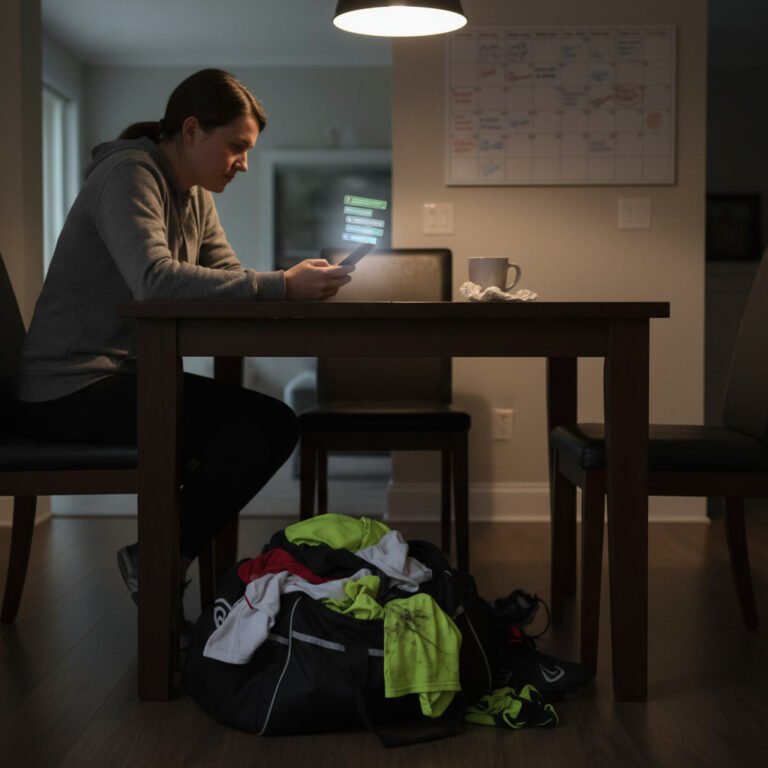
Parent support sounds innocent until you are standing next to it in forty two degree weather, coffee shaking, voice already gone, and the game just started. The whistle blows, the coach yells, and there you are pacing the sideline like Nick Saban with a juice box.
Some parents bring snacks. Some bring strategy. And a few bring the kind of intensity that could power the scoreboard, the lights, and the snack shack fryer all at once. You tell yourself you are just being supportive, but your kid is giving you that side eye like please, for the love of Gatorade, stop talking.
Let’s be real. Parent support is love with terrible delivery. It is wanting your kid to feel encouraged while sounding like you are auditioning for a sports documentary narrated by Morgan Freeman on a caffeine bender. We mean well. We just sometimes express love at full volume with creative hand gestures.
We are the soundtrack of youth sports, part encouragement, part chaos, and one long group therapy session waiting to happen.
The stats make it sting a little:
- Seventy percent of kids quit sports by thirteen because it stops being fun (National Alliance for Youth Sports).
- Eighty percent of referees say parents are their number one source of stress (Aspen Institute, Project Play).
So maybe it is time for a parent support rebrand. Because lifting our kids up should never involve them sprinting to the car pretending we are just some loud person they have never met.
The Origin Story: How Good Intentions Go Full ESPN Mode
Parent involvement in sports always starts sweet. The first game, you are clapping politely, beaming with pride, and taking videos you will never watch again. Fast forward two seasons and you are pacing the sidelines like you are waiting for a replay review that only exists in your head.
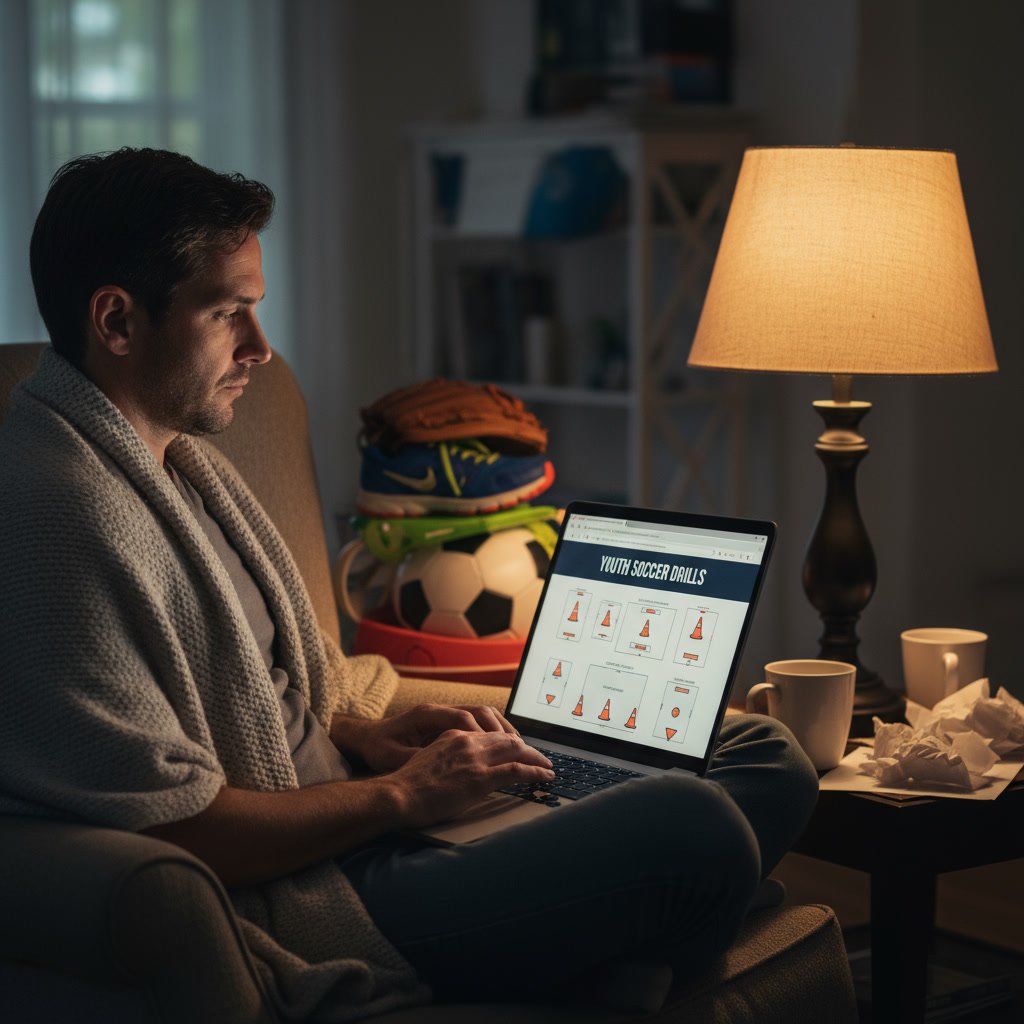
The first season, you are proud they remembered their water bottle. The third season, you are searching how to run a two three zone defense at midnight and wondering if clipboards are tax deductible.
You swear you are just checking the team app, but somehow you have a spreadsheet comparing snack schedules. You catch yourself saying we had a tough game like you took a body check in the third quarter. Your search history now reads like a coaching resume.
Then the dialogue starts.
“Coach said they need more grit.”
“I googled grit.”
“We are making a PowerPoint and ordering motivational bracelets.”
According to the Aspen Institute, parents spend an average of three point six hours a day supporting their athlete. That is nearly half a workday devoted to encouragement, logistics, and mild emotional chaos disguised as teamwork.
And somewhere between hotel tournaments and snack duty, it hits you. You stopped watching for joy and started watching for validation. You wanted them to love the game, and now you just want them to love it enough to make all this chaos worth it.
That is the hidden truth behind parent involvement in sports. It starts with pride, grows with love, and somewhere along the way, it turns into ESPN commentary with feelings.

XbotGo Chameleon
Smart AI camera that automatically follows the action so you never miss a play. Perfect for filming your kid’s games hands-free. 👉 XbotGo Chameleon.

Selkirk Pickleball Paddles
High-performance paddles designed in the USA for players of all levels. Lightweight, durable, and built for control and power in every swing. 🏓 Selkirk Pickleball Paddles
Why We Lose It: The Brain Science Behind the Sideline Meltdown
It always starts the same way. You walk onto the field telling yourself today will be different. You will stay calm. You will not coach from the stands. You will radiate nothing but positive parent support and quiet pride.
Then your kid misses their first shot and suddenly you are gripping your coffee like it owes you money. You blurt out “Move your feet” even though you swore to every higher power you would keep your mouth shut. The coach is yelling, the parents are tense, and you are sweating through your chair like you are in sudden death overtime.
Welcome to the sideline meltdown.
Mirror Stress: Why Your Brain Loses It When They Miss a Shot
Psychologists call it mirror stress. It happens when your brain starts syncing up with your kid’s emotions like you are both on the same Wi-Fi network. Their nerves become your nerves. Their frustration becomes your frustration.
Those same mirror neurons that make you tear up during Pixar movies are now convincing your body you are the one taking the shot. When your kid fumbles, your heart rate spikes like you just blew the championship game.
You are not yelling because you are mad. You are yelling because your nervous system thinks it is under attack.
Coach says, “Relax and have fun.”
Your kid nods.
Your brain whispers, “Fun? With the game on the line? This is legacy stuff.”
That is mirror stress. It is why your hands shake, your foot taps, and your inner voice starts giving pep talks no one asked for. You think you are showing positive parent support, but your kid’s brain reads your energy like a flashing warning sign that says danger: expectations approaching.
A 2023 TrueSport study found that more than sixty percent of young athletes feel nervous or distracted when parents yell advice during games, even if it is meant as encouragement. What feels like love to you can sound like pressure to them.
They do not hear “I believe in you.”
They hear “Do not mess this up.”
The Control Trap
Dr Jerry Reynolds, a youth sports psychologist, once said, “Parents often see their child’s performance as a reflection of their own competence.”
That one stings because it is true. When your kid plays well, you feel like a parenting genius. When they struggle, it feels like you failed too. So you try to fix it. You offer tips. You coach from the bleachers. You attempt emotional CPR from fifty yards away.
And that is where the line between supportive and controlling sports parents starts to blur.
| Supportive Parents | Controlling Parents |
|---|---|
| Focus on effort | Focus on mistakes |
| Say “I love watching you play” | Say “We need to talk about that defense” |
| Let the coach coach | Try to help from the stands |
| Bring snacks | Bring scouting reports |
The difference is not how much you care. It is how much you can let go.
Because real positive parent support means trusting that your kid’s journey is theirs, not yours. It is knowing when to cheer, when to chill, and when to just sit back, sip your coffee, and let them figure it out.
Even if you are dying inside.
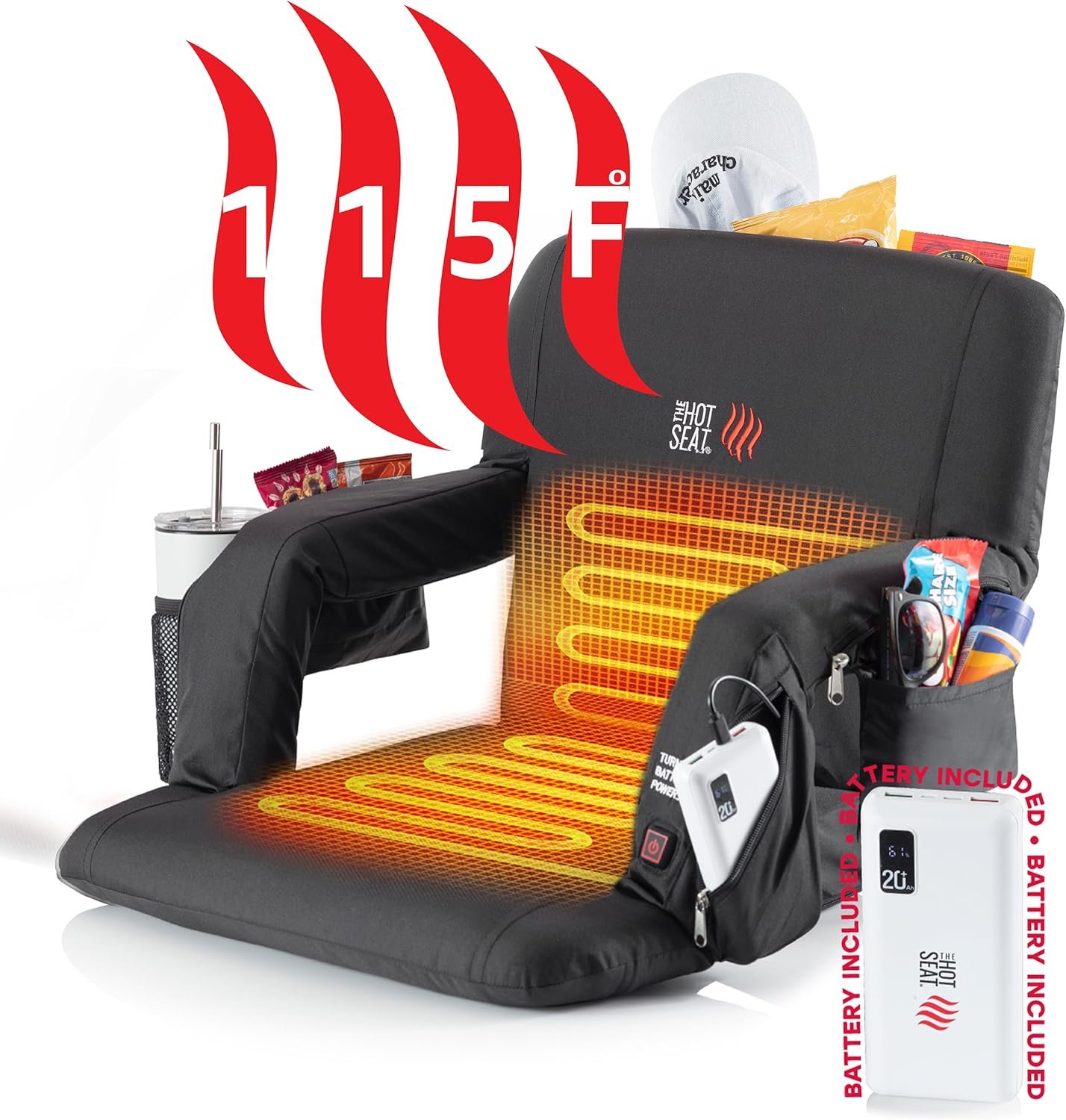
POP Heat Stadium Chair
Stay warm and comfortable all game long with dual heating zones, six reclining positions, and built-in storage. Comes with a USB battery pack and enough pockets for snacks, gloves, and your coffee. POP Heat Stadium Chair
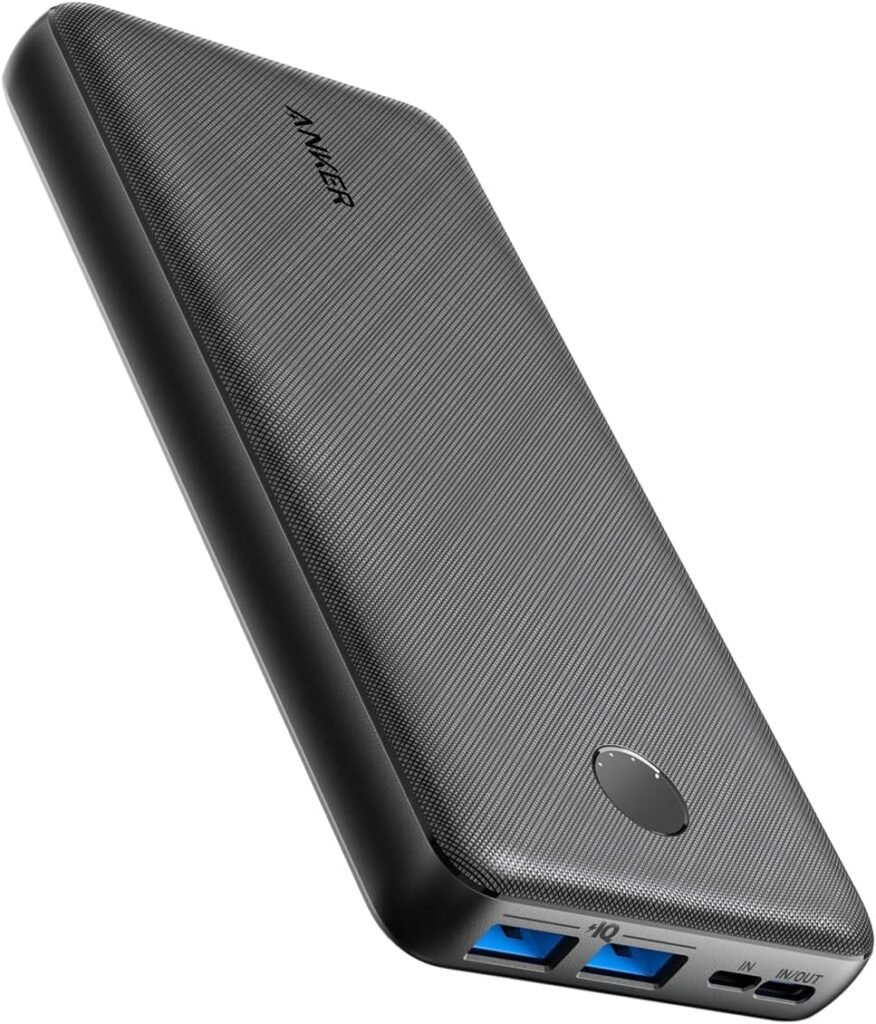
Anker Portable Charger
Stay powered from the first whistle to the last. Fast charging, compact, and reliable so you never miss a moment. Anker PowerCore Portable Charger
The Four Legendary Archetypes of Parent Support

Parent support comes in many forms. Some parents cheer with pure joy, others coach from the stands, and a few simply observe in silence while drinking coffee that is probably stronger than it should be. Over time, every sports parent seems to evolve into one of four legendary archetypes. They all mean well, but each one shows love in a very different way.
The Cheerleader
The Cheerleader is pure sunshine in motion. They clap for hydration breaks, cheer for warm-ups, and somehow have enough energy to organize postgame snacks for both teams. You can spot them from a mile away, usually waving at everyone, shouting encouragement, and holding a sign with glitter that sparkles more than the scoreboard.
Their enthusiasm is unmatched. When their child scores, they celebrate like it is the championship. When their child misses, they still cheer as if effort deserves its own trophy. They are the heartbeat of parent support, the kind of parent who reminds everyone that fun matters most.
Still, their energy can be overwhelming. Coaches flinch at their volume, and teammates occasionally pretend not to hear them. But when the Cheerleader is missing, the entire sideline feels flat. They are the emotional glue that keeps the spirit alive.
The Life Coach
The Life Coach is the philosopher of the parent world. They arrive with inspirational quotes, life lessons, and enough laminated affirmations to run a summer camp. They see every game as an opportunity for growth, not just for their child but for anyone within earshot.
They are the ones who say things like, “It is not about the scoreboard, it is about who you become through adversity.” Their child knows these speeches by heart and can usually recite them while tying their cleats. The Life Coach means well, but sometimes the car ride home feels more like a motivational podcast than a peaceful drive.
Despite their intensity, the Life Coach brings value when things get tough. When the team loses, they are the first to remind everyone that character matters more than points. They are a walking reminder that parent support is not just about performance but about teaching resilience, responsibility, and perspective.
The Scout
The Scout is the analytical parent. Clipboard in one hand, phone camera in the other, they are always collecting data. They know every stat, every assist, and every missed opportunity. They have more game footage than most professional teams, and their home office looks suspiciously like a command center.
They call it preparation; everyone else calls it obsession. Their child calls it exhausting. When a play goes wrong, the Scout reviews it mentally like they are running instant replay. “We can fix that next time,” they say, already editing the footage in their head.
But here is the truth: Scouts are not control freaks; they are believers. They see potential and want to help nurture it. They think documenting everything is part of supporting their athlete. And while it can feel like pressure, their dedication often helps their child see just how much they are invested.
The Ghost
The Ghost is the calm in the storm. They sit quietly on the sidelines, sipping coffee and observing the game with an expression that never changes. They do not shout. They do not pace. They just watch, fully present but never intrusive.
People assume the Ghost does not care, but that is never true. They are processing everything internally, breathing through the chaos, and letting their child figure things out without interference. They trust the coach, the team, and the process. They model composure in a way that every athlete secretly needs.
Their child knows that one quiet clap means pride, support, and unconditional love. When things go wrong, the Ghost stays steady. When things go right, they smile and nod. Their stillness speaks louder than anyone’s shouting.

Patriots Full Zip Hoodie
Smart AI camera that automatically follows the action so you never miss a play. Perfect for filming your kid’s games hands-free. 👉 Patriots Pro Standard Full Zip Hoodie

Lakers Full Zip Hoodie
High-performance paddles designed in the USA for players of all levels. Lightweight, durable, and built for control and power in every swing. Lakers Pro Standard Full Zip Hoodie
Which One Are You
Time for a quick sideline reality check. Take a moment, be honest, and count how many of these sound painfully familiar.
Do you own a folding chair that cost more than your couch?
Have you ever yelled “Shoot” louder than the coach?
Have you ever said “Let us review the film” and actually meant it?
Do you post motivational quotes after losses?
Do you bring coffee and say nothing the entire game?
Got your number? Here is what it says about you.
If you answered yes to one or two, you are The Cheerleader, powered by caffeine, joy, and an unshakable belief that every hydration break deserves applause. You are sunshine wrapped in team colors, the kind of parent who believes a good attitude can turn any loss into a life lesson.
If you said yes to three or four, you are The Life Coach, passionate and full of purpose, always one deep quote away from turning the car ride home into a motivational seminar. You genuinely want your child to grow through every win and loss, but sometimes your halftime speeches could use commercial breaks.
If you said yes to all five, you are The Scout, detail oriented and laser focused on improvement. You probably have more sideline equipment than the team and a folder on your phone labeled “Highlights.” You call it preparation. Your kid calls it surveillance.
If you said no to all of them, you are The Ghost, calm, collected, and sipping coffee like you have already reached sideline enlightenment. Nothing rattles you. You are the quiet force that balances the chaos, the one who somehow enjoys the game without turning it into a family documentary.
And if you are not sure which one you are, just ask your kid. They already know.
The Takeaway
Every sideline has all four types. The Cheerleader keeps things fun, the Life Coach adds wisdom, the Scout brings structure, and the Ghost keeps the peace. Together, they create the messy, beautiful balance that defines youth sports.
The truth is that most parents are a mix of all four at different times. Some days you are calm and patient. Other days you are yelling “Move your feet” like you are being paid to coach. What matters is not which type you are, but whether your support helps your child feel seen and loved.
Your child will not remember the play-by-play or your advice after a loss. They will remember your face when they looked toward the sideline. Were you smiling? Were you proud? That is the only kind of parent support that truly lasts.
Sideline Shenanigans: When “Support” Gets Weird
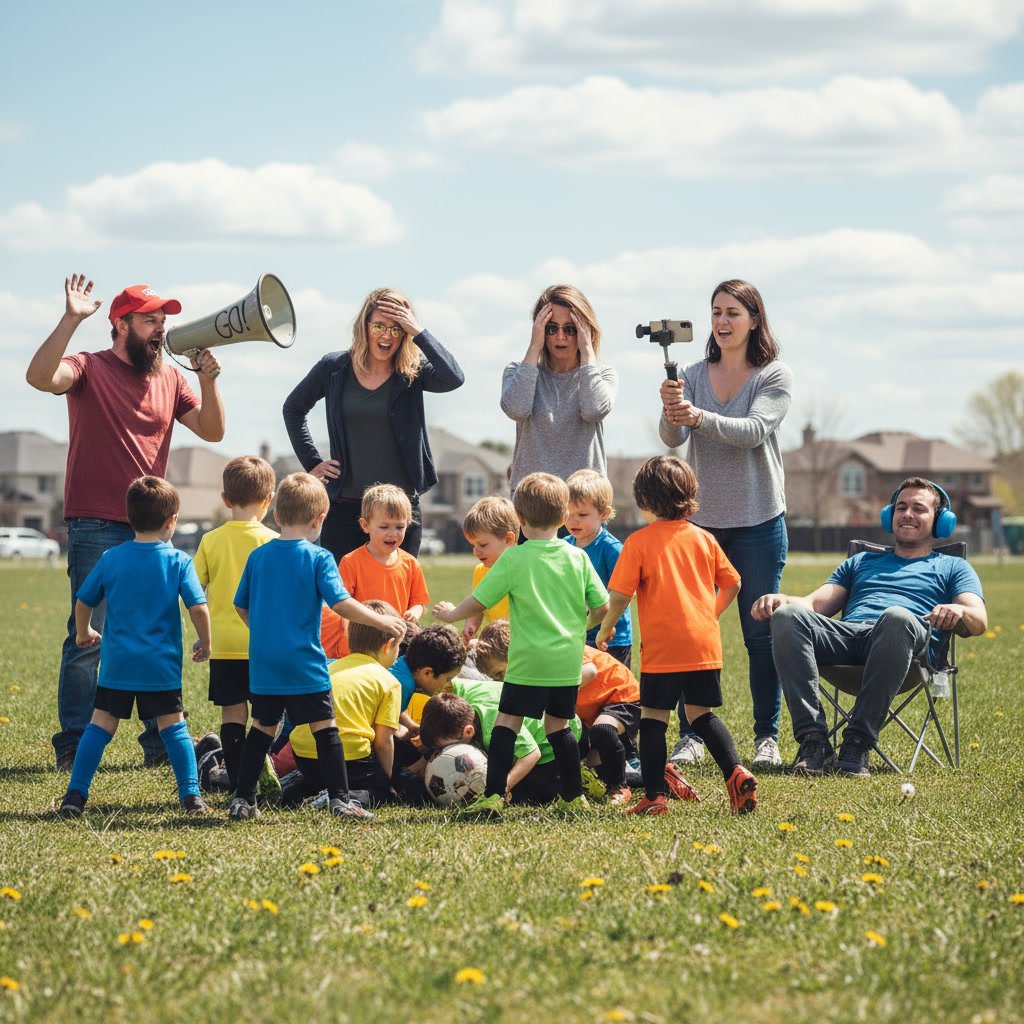
Parent support always starts with the best intentions. You show up early, unfold your chair, and promise yourself that this is the game where you stay calm. No yelling, no coaching, no drama, just quiet pride and maybe a well-timed clap. Then the whistle blows, and within minutes, you are pacing like a stressed coach and gripping your coffee as if it is keeping you alive. You shout “Move your feet” at the same volume as a fire alarm and convince yourself it is encouragement. Everyone else knows you have completely lost control.
This is how parent support begins to unravel. It starts with love and quickly turns into sideline chaos. Every parent has lived it. The dad who got ejected from a U8 soccer game for arguing about offsides is the perfect example. The kids were six years old. Half of them were chasing butterflies. When the referee told him to leave, he said, “It is about the integrity of the game.” There was no scoreboard. There was no integrity. There was just one passionate parent who forgot where he was.
Then there was the mom who live-tweeted her son’s basketball game as if she were covering the NBA Finals. “Big rebound by number twelve. Ref missed that foul. Hydration check complete.” By halftime she had seventy new followers, two rival parents arguing in her replies, and one embarrassed teenager wishing for invisibility. She did not mean any harm. It was pure parent support expressed through social media, but when your child’s layups have hashtags, it may be time for a timeout.
And of course, there was the hydration dad. Midway through the third quarter, he sprinted onto the field to hand his kid a water bottle. He called it hydration support. The referee called it interference. Security escorted him out while he yelled, “I am just trying to prevent cramps.” His smartwatch recorded it as exercise, and his kid recorded it as a lifelong memory they will need therapy for.
The Line Between Love And Lunacy
If any of this sounds familiar, you might be ready for a sideline breather. If your smartwatch records more steps yelling at referees than your kid runs during drills, take that as a sign. If you have ever shouted “Let them play” while still debating every call, congratulations, you are part of the entertainment. If you have ever posted a rant about officiating that got more engagement than your birthday photo, you have officially joined the club.
Parent support often looks chaotic from the outside. We love our kids so deeply that it leaks out in strange ways, through volume, pacing, and heated debates with volunteers in striped shirts. It is funny until you realize it is also one of the biggest issues in youth sports. According to the National Federation of High Schools, referee shortages have increased by twenty five percent since 2022 because of parent behavior. The refs are quitting, but the parents are undefeated.
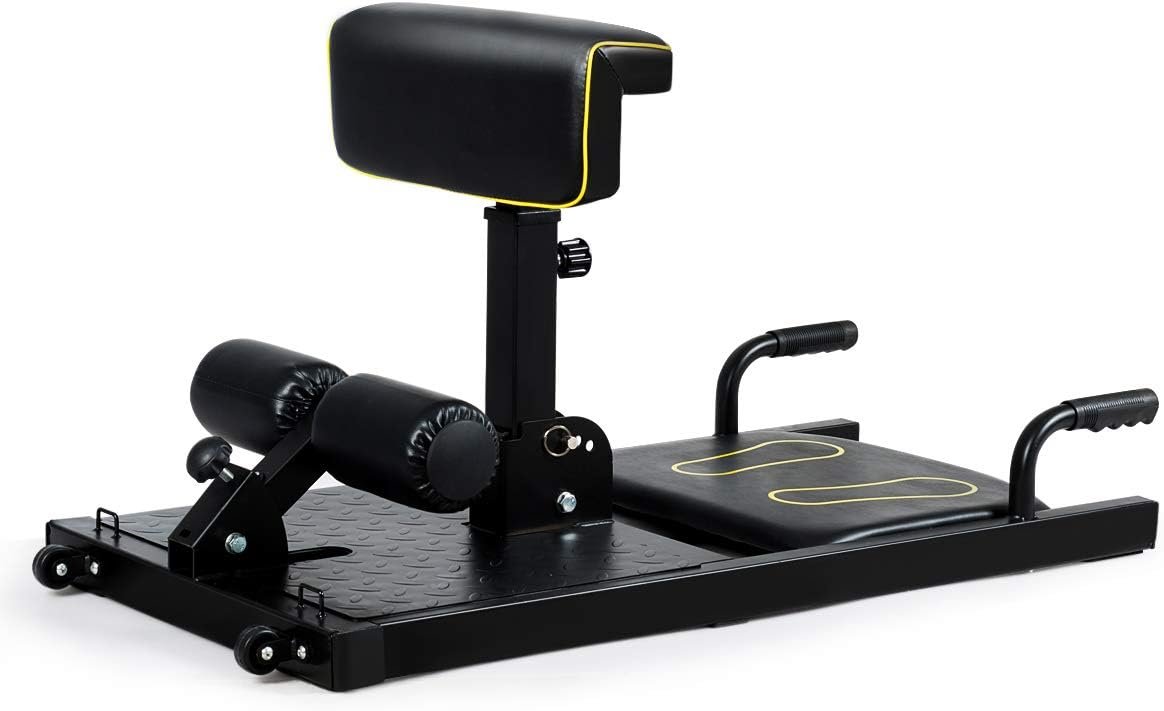
GYMAX 8‑in‑1 Workout
Smart AI camera that automatically follows the action so you never miss a play. Perfect for filming your kid’s games hands-free. 👉 GYMAX 8‑in‑1 Workout Machine

YOSUDA Rowing Machine
Smooth, quiet, and built for power. Features Bluetooth tracking, app support, and a cushioned seat for a comfortable, full-body workout at home. YOSUDA Magnetic Water Rowing Machine
Finding Real Support Again
Despite all the madness, most parents mean well. We are not bad people, just passionate ones who care a little too loudly. True parent support is not about yelling the right advice or correcting mistakes from the sideline. It is about presence. It is the look on your face when your child glances over after a mistake. It is the calm smile that says, “I am proud of you,” even when the scoreboard disagrees.
Your child will not remember the offsides argument, the live tweets, or the water bottle sprint. They will remember that moment of calm when they saw you smiling, proud, and steady. That is what real parent support looks like.
The Ride Home: The 15 Minute Emotional Gauntlet

The game ends. The car door shuts. The silence could cut glass. You sit there for a moment, hands on the wheel, trying to decide whether to speak or just drive. Your kid slides into the passenger seat, covered in grass, sweat, and quiet frustration. You both stare straight ahead as if waiting for the other to blink first. You promised yourself you would stay calm this time. No postgame breakdowns. No lessons. Just love and support. You make it about twelve seconds.
You start carefully. “So, what did you think of the game?” you ask, pretending it is a casual question. They grunt. You take that grunt as permission to continue, and before you know it, you are analyzing effort, positioning, communication, and every little moment you swore you would let go. They put in their earbuds, and you keep talking anyway, because that is what parents do when they care too much. You start a postgame TED Talk. They start pretending to sleep.
According to a Michigan State University study, the car ride home is the single most stressful moment in all of youth sports for kids. Not the game. Not the drills. The ride home. This is where parent support accidentally turns into performance review. It is not because parents mean harm. It is because we love them so much that we try to fix things that do not need fixing. We want them to feel proud, to learn, to grow. But they just want silence, snacks, and maybe a song that does not remind them of the game they just lost.
So here is the best ride home advice for parents you will ever hear: master five simple words — I love watching you play. That is it. Nothing else. No breakdowns, no strategy talks, no motivational speeches. Just love. That sentence says everything they need to hear. It tells them that you saw them, that you cared, and that your pride has nothing to do with their performance.
The car ride home is not SportsCenter. It is therapy on wheels. Sometimes the best kind of parent support is saying less, smiling more, and letting the silence work its quiet magic. Because in that silence, your kid will start to believe the one thing every parent hopes they always will, that your love is not something they have to earn.
When Love Turns into Pressure: A Parent’s Wake Up Call

I thought I was helping. I thought the cheering, the reminders, and the “good job, but next time…” talks were proof that I cared. Then one afternoon, I saw his face. He looked tired, but not from the game. It was the kind of tired that comes from trying to make someone else happy. That is when I realized he was not playing for fun anymore. He was playing to keep me calm.
It is easy to tell ourselves we are being supportive. We call it love. We call it involvement. We tell ourselves that pushing them a little harder is how they learn to compete. But when you see the spark fade, when they stop smiling after games, when the car ride home feels like a job review, you realize the pressure is not coming from the sport. It is coming from us.
Experts say kids rarely understand pressure the way adults think they do. They hear it as disappointment. They feel it as tension in the car, the deep sighs after a missed play, the over analyzing after a loss. What we think is motivation, they experience as anxiety. The TrueSport Institute found that seventy five percent of kids who quit sports said their biggest source of stress was parental expectation. Not the coach. Not the competition. The parents.
That number is hard to read because it is us. The people who show up, drive the miles, pack the bags, and give everything we have. We are not trying to control them. We are trying to care. But sometimes love gets tangled with fear. We are scared they will fall behind, miss out, or give up on their potential. And in trying to protect them from failure, we make them afraid to fail.
The truth is that support should lift, not tighten. It should create space for joy, not stress. Real parent support means loving the effort, not the outcome. It means smiling even when the score is ugly. It means letting them own their game without feeling like they are performing for your approval.
When kids look back years from now, they will not remember the advice or the corrections. They will remember your face when they looked your way. Were you smiling? Were you proud? Did they feel safe to play freely?
Because in the end, our job is not to make them champions. It is to make sure they never forget that they were loved, win or lose.
The Real Meaning of Parent Support

The season ends. The final whistle blows. Cleats are tossed into the garage, uniforms are stuffed into drawers, and trophies start collecting dust on a shelf that once felt like the center of the world. What stays are the moments that never made the highlight reel, the sound of your voice on the sideline, the quiet drive home after a tough loss, the laughter during a postgame stop for ice cream. Those are the memories that matter.
Parent support in youth sports is not about the wins or the scores. It is about showing up, again and again, no matter how many times the scoreboard goes the wrong way. It is standing in the cold, clapping through the rain, and cheering even when they are still figuring things out. It is the simple, unspoken message that says, “I’m here, and I’m proud.”
According to Project Play, eighty five percent of former athletes say that their parents being there mattered more than winning. Not the medals. Not the trophies. Just the presence. Kids remember who stood behind them when things got hard far more than they remember who scored the winning goal.
Someday your child will outgrow the team, the field, and the sport. But they will never outgrow the feeling of knowing you were there, believing in them even when they struggled.
Parent support is not measured in goals or game stats. It is measured in how your kid feels when they look up and see you there.
Parent Support Hall of Fame (and Shame)
Every sports parent has that one moment that lives rent free in family lore, the kind of story your kid still brings up at dinner years later. Maybe it was the yell heard three fields away, the over the top pep talk, or the time you got a little too invested in a seven year old’s soccer game. We laugh about it later, but in the moment, it feels like the World Series. That is the beauty of parent support in youth sports. It is passionate, unpredictable, and just slightly unhinged.
Take the parent who brought noise-canceling headphones for themselves. They sat in a chair at midfield, sipping coffee in serene silence while chaos unfolded around them. Other parents were arguing about a call, and this legend just nodded calmly, watching their kid play in complete peace. It was either the most selfish act in youth sports history or the smartest thing anyone has ever done.
Then there was the mom who made a postgame PowerPoint presentation titled “Areas of Growth.” She had slides, charts, and even background music. The kid fell asleep before she got to slide three, which was probably about “effort and engagement.” The next day she uploaded it to the team group chat. Half the parents were impressed. The other half started drinking early.
And, of course, there was the dad who celebrated so hard after his kid’s winning goal that he pulled a muscle mid-cheer. He spent the rest of the weekend icing his hamstring and proudly telling everyone it was “a sports injury.” His kid still talks about it, mostly to remind him that he peaked in the quarterfinals.
If you think you have never done something embarrassing on the sideline, you just have not been caught yet. We all have our moments. The cheers that turned into shouts, the over-analyzing that turned into lectures, the pride that spilled over into chaos. That is part of the job description.
Because in the end, parent support in youth sports is not about perfection. It is about passion, presence, and the kind of love that sometimes makes us act a little ridiculous. We have all had our moment. And if you have not yet, congratulations. You are due any game now, probably on the day they decide to film it.

47 Los Angeles Dodgers Cap
Smart AI camera that automatically follows the action so you never miss a play. Perfect for filming your kid’s games hands-free. 👉 47 Los Angeles Dodgers Clean Up Cap
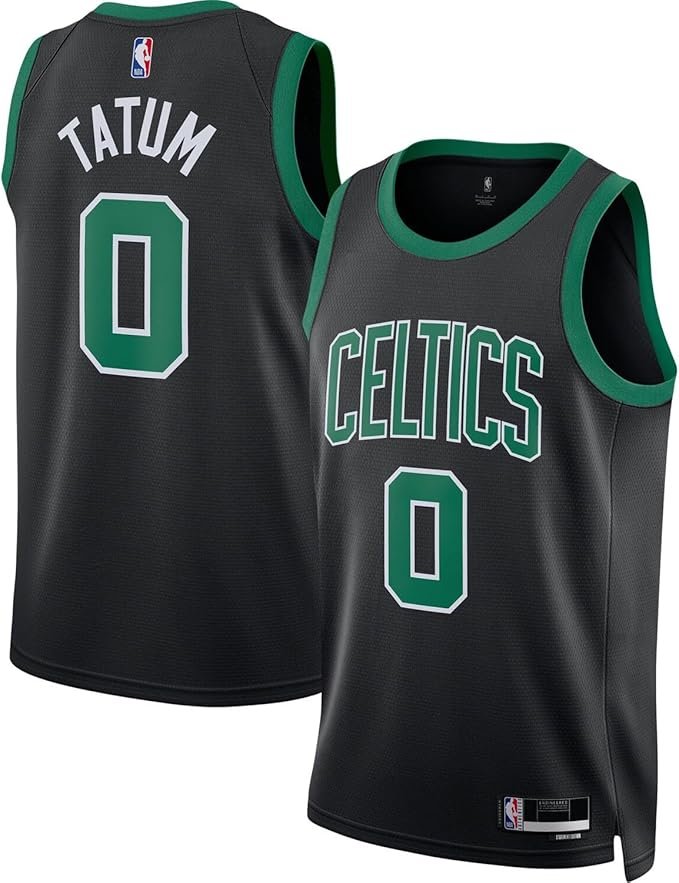
Jayson Tatum Youth Jersey
High-performance paddles designed in the USA for players of all levels. Lightweight, durable, and built for control and power in every swing. Jayson Tatum Youth Jersey
The Final Whistle: What Parent Support Really Means
When the season ends and the noise fades, the memories that last are not the scores or the trophies. They are the moments your child looked to the sideline and saw you there.
Parent support is not about being the loudest or the most intense parent. It is about showing up, staying calm, and making sure your child feels seen and loved no matter the outcome.
We all get carried away sometimes. We care too much, yell too loud, or say the wrong thing. But every game gives us a new chance to do it better, to choose pride over pressure and joy over frustration.
Because parent support is not measured in wins or statistics. It is measured in the look on your child’s face when they see you smiling in the crowd, proud simply because they are out there playing.
If You Liked This, Check Out These Next
If this story hit home, you’ll love these fan favorites from the sidelines:
- Top 10 Parent Sideline Meltdowns – The hilarious truth about what really happens when calm parents lose it.
- The Ride Home: The Fifteen Minute Emotional Gauntlet – Why silence, snacks, and love matter more than postgame analysis.
Because at the end of the day, Sideline Legends is where laughter, chaos, and love all meet on the same field.
Frequently Asked Questions About Parent Support in Youth Sports
What does parent support in youth sports really mean?
Parent support is about being present, calm, and encouraging. It is showing up, cheering with perspective, and letting your child know they are valued for who they are, not how they play. True support creates joy, not pressure.
How can I support my athlete without being overbearing?
Focus on encouragement instead of instruction. Let coaches coach. Cheer for effort and attitude, not just performance. Ask your child what kind of support feels best to them — sometimes it is silence, sometimes it is a simple “I love watching you play.”
What is the difference between being supportive and being controlling?
A supportive parent focuses on the child’s experience. A controlling parent focuses on the outcome. Supportive parents celebrate progress, while controlling parents critique mistakes. If your child looks tense when they glance at you, that is your cue to step back and breathe.
Why do parents get so emotional at games?
It is called mirror stress. When your child feels pressure, your brain mirrors their emotions as if you are the one playing. That is why you clench your fists or shout advice. The trick is to recognize it, take a breath, and remember the game belongs to them.
What should I say to my child after a game?
Keep it simple. Skip the breakdowns and focus on the bond. The best postgame phrase ever tested is “I love watching you play.” That one line tells them everything they need to know — that your pride does not depend on the scoreboard.
What if I have been that parent who yells too much?
Welcome to the club. Every parent has crossed that line. The good news is, kids are forgiving. You can always reset. A simple apology and a promise to do better goes a long way. The goal is not perfection, it is presence.