
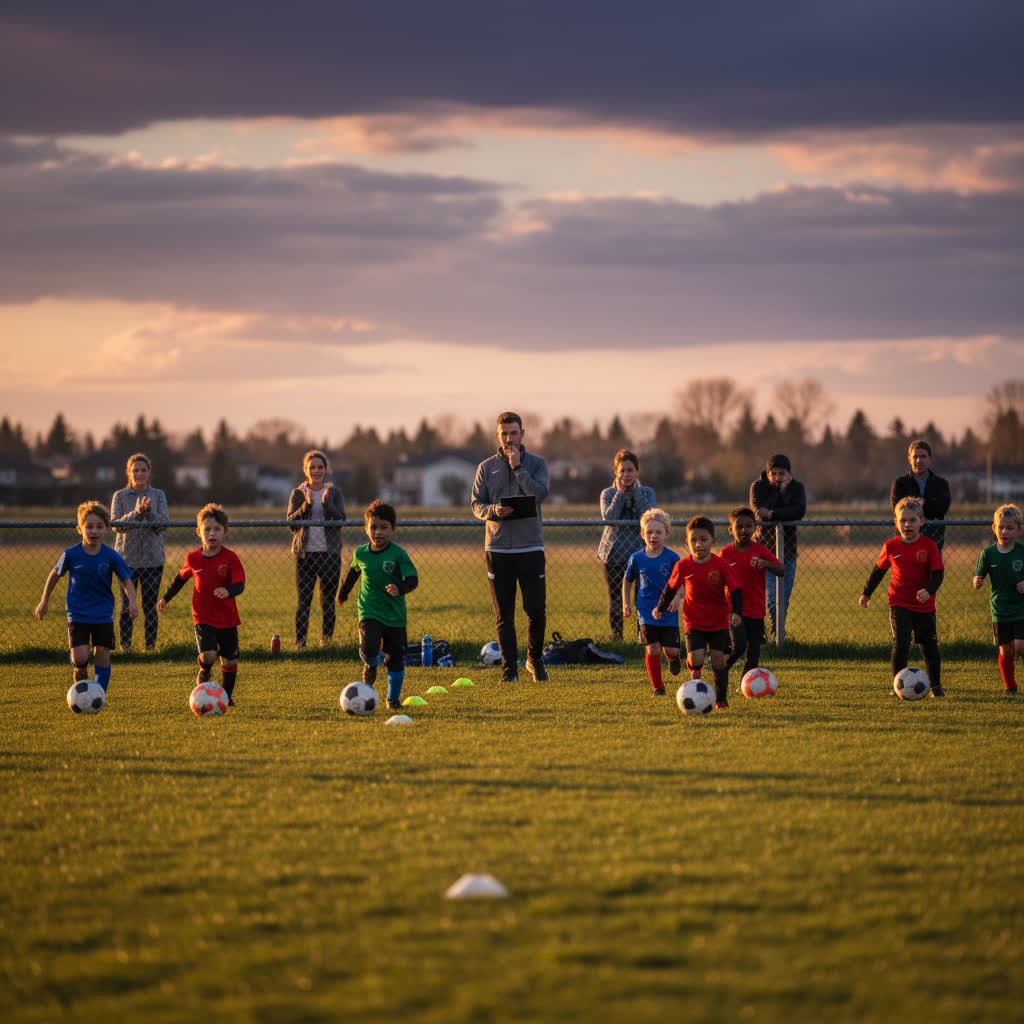
Player development in youth sports has become the go-to phrase every club throws around to sound like they care about more than just winning. Somewhere right now, a youth sports director is writing an Instagram caption about it — probably a slow-motion clip of kids doing cone drills under dramatic music with words like culture, character, and compete floating across the screen. The caption ends with “We don’t just build players, we build people.”
You pause your scroll and think maybe this is it. Maybe this is the club that actually gets it. Maybe they’ll teach your kid more than how to dodge or backhand a pass — maybe they’ll help them become a leader, a grinder, a future D1 recruit with humility and grit.
And then the invoice shows up.
The Sales Pitch Nobody Admits Is a Sales Pitch
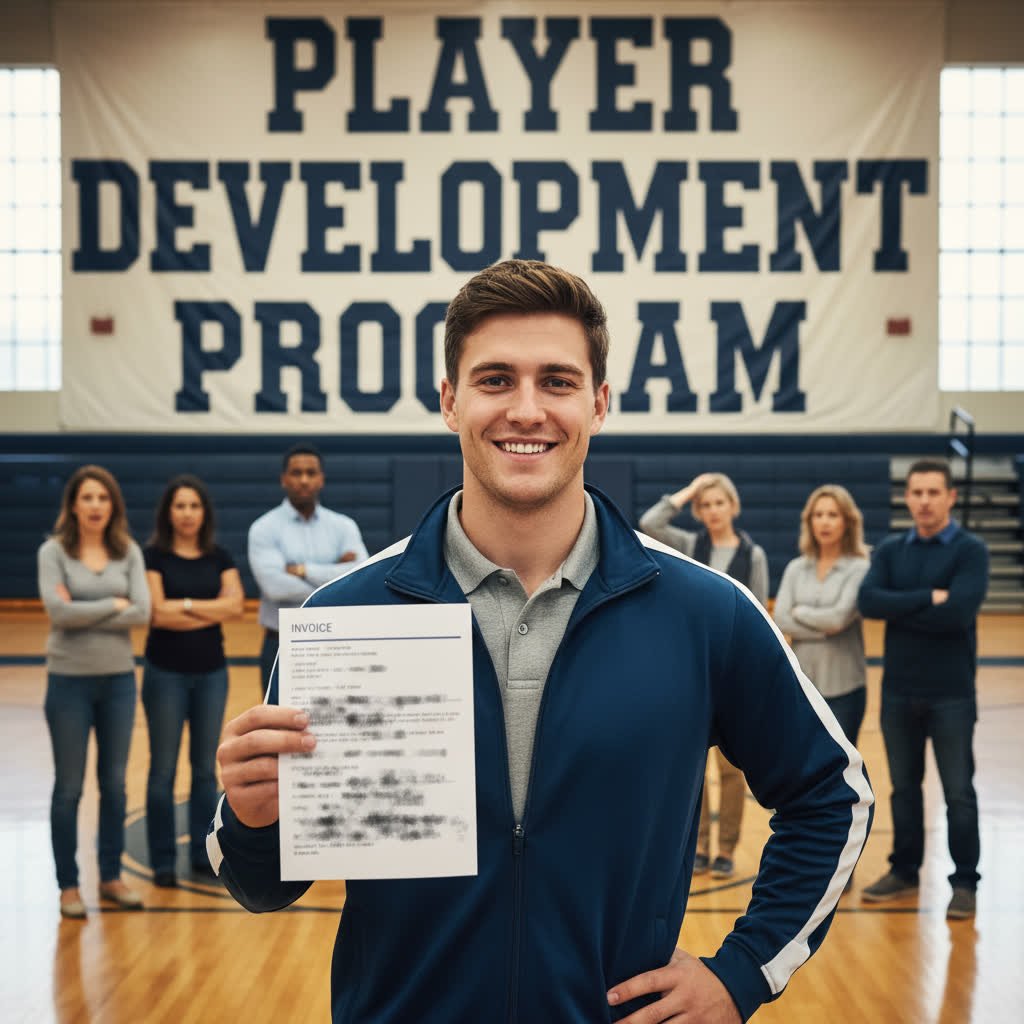
Every club in America claims to prioritize player development in youth sports. It’s like their version of “we’re a family owned business.” It sounds wholesome, but it’s really a marketing slogan designed to make your wallet relax. They know that parents eat up the word development because it feels responsible. It feels like you’re doing the right thing, not just chasing wins.
So the club hits you with the magic phrasing: “We’re not focused on winning, we’re focused on development.” And for a moment you nod proudly, thinking, “Yes, that’s what I want. Growth, not glory.”
But then game day rolls around and your kid spends three quarters on the sideline while the A line racks up points. You look around and realize, apparently their development matters more than ours.
Meanwhile, the director posts the score on social media with the caption, “The boys battled! Proud of this group’s development!” Which, translated, means: “We won. Please keep paying us.”
The Development Lie We All Want to Believe
Here’s the thing, we want to believe in player development in youth sports. We really do. It’s comforting. It makes the chaos of club sports feel like it has purpose. You tell yourself, “Sure, we’re spending three grand and driving to Delaware again, but it’s for development.”
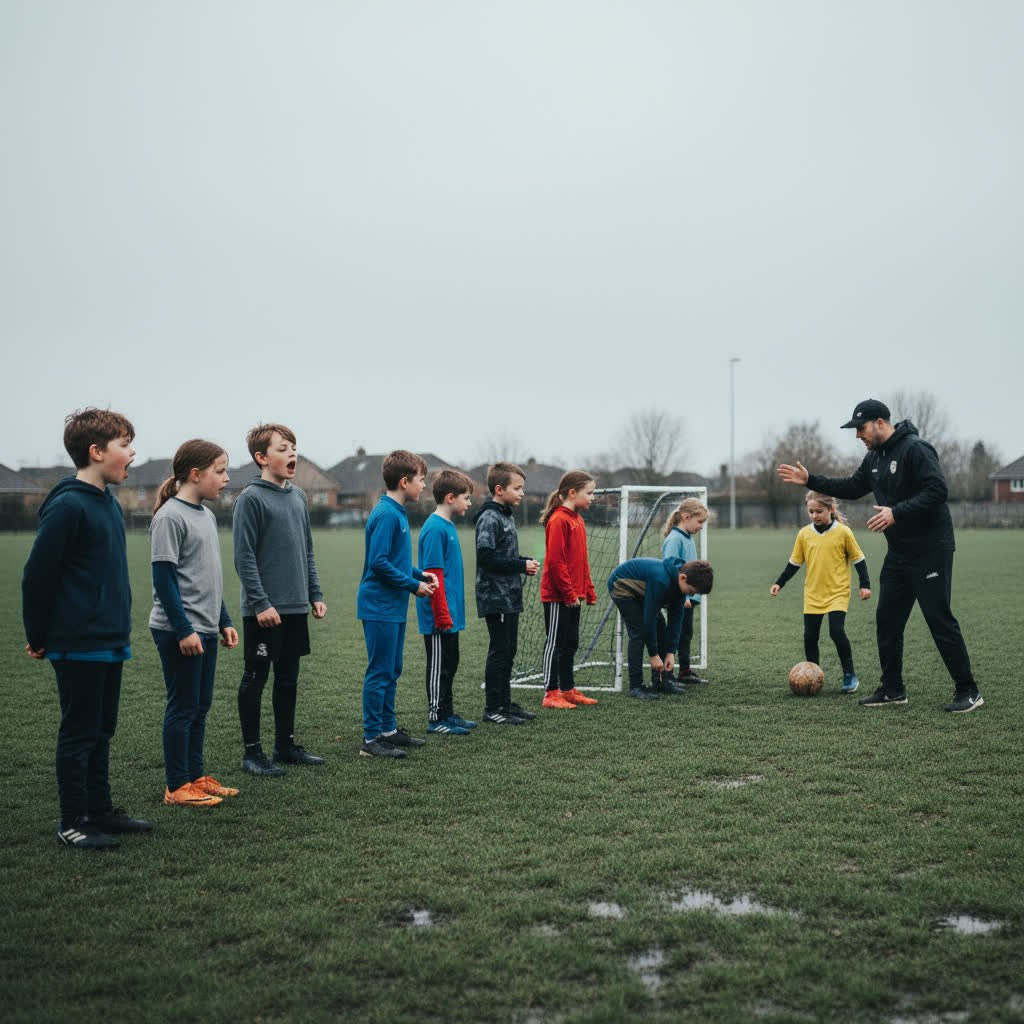
Except player development in youth sports doesn’t happen on a five hour car ride or in a hotel lobby with forty kids eating pizza and Powerade at midnight. Development happens when a kid repeats a drill a thousand times, messes it up, learns why, and fixes it. But that doesn’t look good on Instagram, and it doesn’t sell new uniforms.
Real player development in youth sports is boring. It’s slow. It’s quiet. It’s not glamorous. And that’s a problem for clubs that depend on hype to survive.
The Great “Development” Swap: From Teaching to Selling
Somewhere along the way, player development in youth sports stopped meaning helping kids get better and started meaning creating the illusion of progress. The term has been rebranded. It’s like organic food, sounds great, costs more, and isn’t always what you think it is.
So clubs roll out their Player Development Model, usually a PowerPoint filled with arrows and buzzwords like Foundations, Execution, and High Performance Pathway. It looks official enough to justify a higher tuition bill, even if the program itself boils down to the same drills, the same games, and the same favorites.
Meanwhile, the parents on the sidelines whisper like detectives, “Do you think they actually develop kids here?”
You don’t say it out loud, but you’re thinking it too. You start replaying practices in your head, noticing the same small group always getting the coach’s full attention while the rest just shag balls and wait.
And that’s when it hits you, player development in youth sports doesn’t guarantee anything. It’s just branding, like calling gas station sushi premium.
The Truth: Development Isn’t a System — It’s a Coach
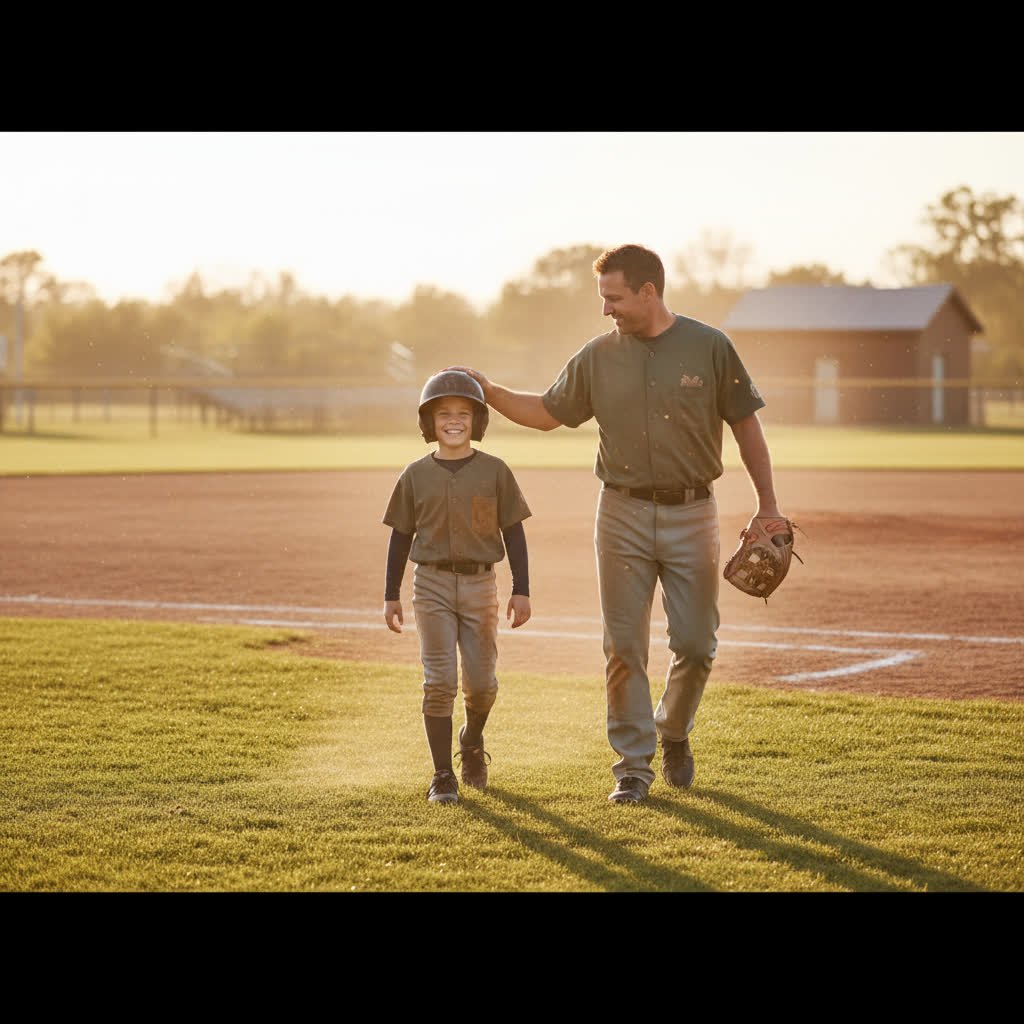
If you strip away all the slogans and fancy merch, true player development in youth sports boils down to one thing, coaching. Not the PowerPoint, not the facility, not the travel schedule, but the actual human being standing in front of your kid giving them feedback that makes them better.
The coaches who truly drive player development in youth sports are the ones who notice the smallest details. The ones who stop a drill and say, “Hold up, you’re dropping your shoulder too early, try this instead.” The ones who make your kid believe they can do hard things, not just run fast and look cool on Instagram.
You can’t package that in a brochure. You can’t sell that as an upgrade. It isn’t scalable, and that’s exactly why so few clubs actually invest in it. Because developing kids takes time, patience, and humility, three things that don’t generate revenue.
That’s why you see so many elite programs chasing trophies instead of growth. Winning sells. Patience doesn’t.
But Let’s Be Honest: Parents Are Part of the Problem
And yeah, we have to admit it, we eat this stuff up. The second we hear about player development in youth sports, we nod like we understand, like we’re in on some secret coaching philosophy. But most of us couldn’t define it if someone asked.
We want to believe that our kid is in the right system. That this club has the formula. Because otherwise, we’d have to face the truth that player development in youth sports isn’t something you can buy. It’s something your kid earns.
We don’t want that truth. We want to believe we can pay for it, outsource it, and check back when they’ve turned into a college recruit.
So we justify the fees. We tell ourselves that the two day development camp in a field somewhere is worth four hundred dollars because they’ll get so much out of it, even though the only thing they got was a free pinnie and a mild sunburn.
A Few Tools That Actually Do Help (If Used Right)
If you really want to invest in your kid’s development, it’s not about the club — it’s about the reps. That’s where training tools actually matter. Get a lacrosse rebounder or a portable agility ladder . Grab a cone set for backyard drills.
The Grind, The Burnout, and The Few Who Actually Get It Right
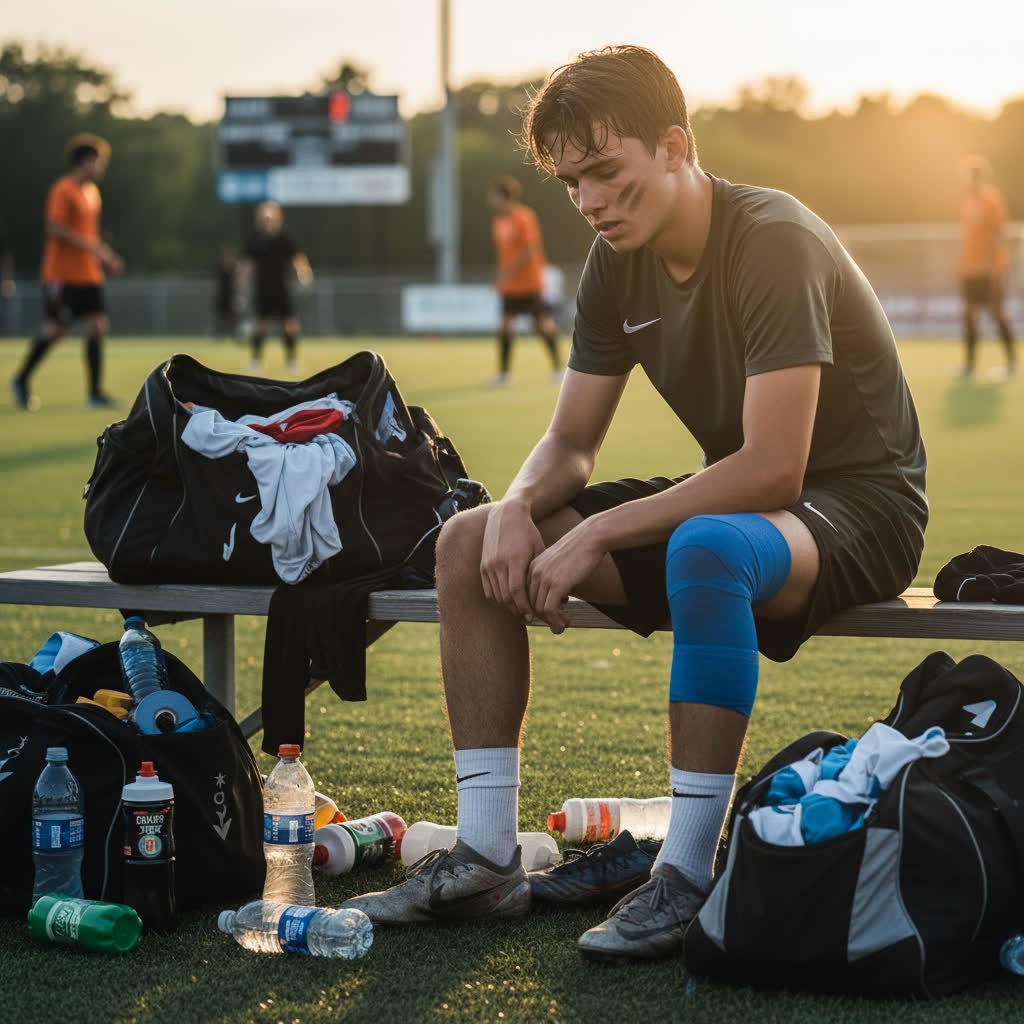
At some point, player development in youth sports started looking a lot like exhaustion. We traded free play for private lessons, outdoor fun for indoor turf, and spontaneous games for structured programs with names like Elite Futures National Academy Showcase Select Team. You’d think by the name alone your kid was one step from ESPN, but mostly they just got matching backpacks and a new level of burnout.
We call it opportunity. They call it experience. But your kid calls it another weekend gone.
It’s not that all clubs are bad, far from it. Some genuinely want to help kids grow as players and as people. But too many have confused volume with value. More tournaments, more practices, more showcases, more exposure, as if over scheduling is the same as improving. You can’t sprint your way to skill.
The Burnout Factory Nobody Admits They Run
The irony is that player development in youth sports has created the exact opposite of what it promises. Kids are breaking down both mentally and physically before they ever reach high school. The pressure to constantly develop has turned into a nonstop performance treadmill, and the only ones keeping pace are the clubs cashing the checks.
You see it every weekend, kids showing up half asleep, nursing sore knees, going through the motions because they’re on their fourth tournament in six weeks. The parents think, he’s developing toughness. The truth is, he’s developing resentment.
The burnout epidemic in youth sports isn’t caused by laziness or lack of commitment, it’s caused by adults mistaking activity for improvement. It isn’t player development in youth sports if your kid’s body is breaking down and they’ve stopped smiling when they play.
If you want to see real player development in youth sports, watch the kid in the driveway shooting on the rebounder long after practice is over. That’s not schedule driven, that’s self driven.
The “Pathway” Illusion
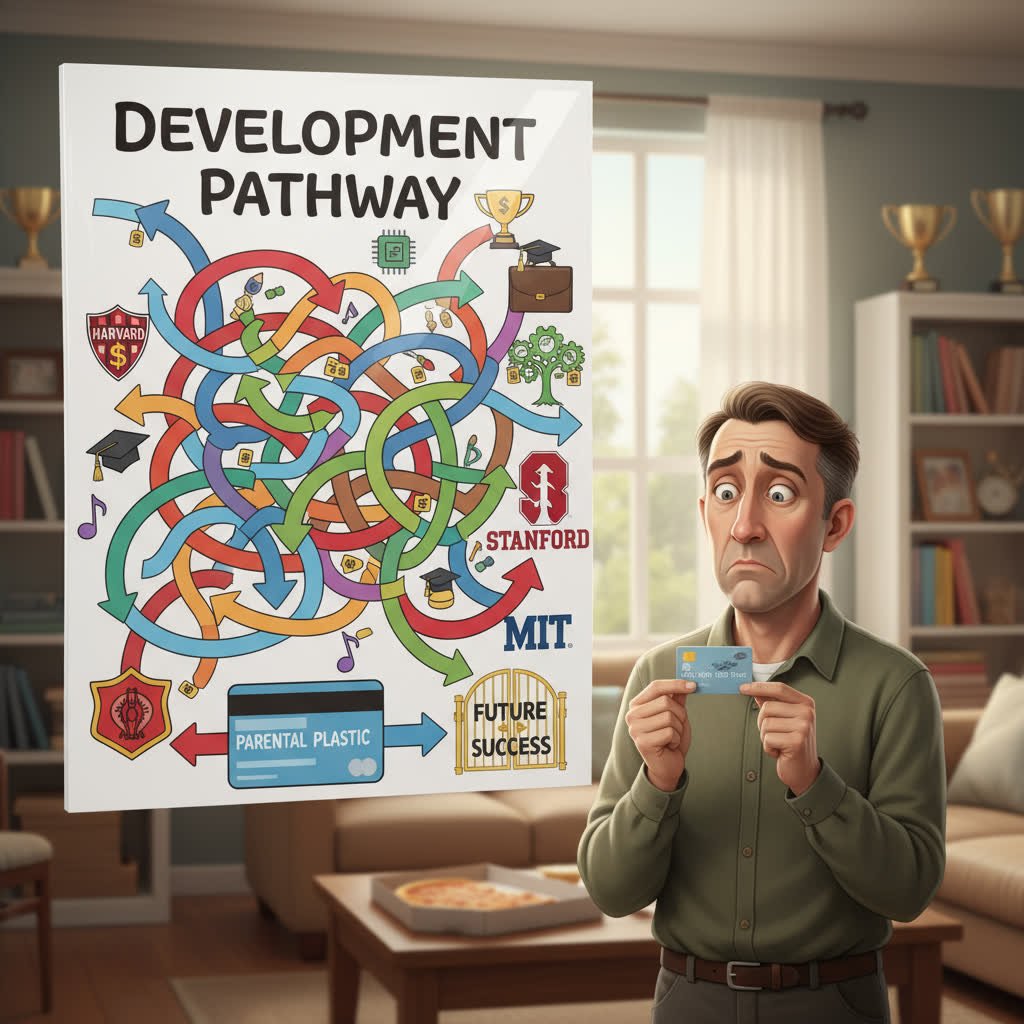
One of the slickest moves in the club playbook is the player development in youth sports pathway. They’ll show you a glossy chart with arrows pointing from U9 to College Exposure Events, all color coded and impressive looking, like a treasure map where a D1 scholarship is the X that marks the spot.
But it isn’t a pathway, it’s a sales funnel.
Every year they add a new age group, a new select roster, a new national partnership, and a new fee tier to keep the illusion alive. You’re not moving up the pathway, you’re moving deeper into the marketing cycle.
They’ll say things like, your son’s player development in youth sports is right on track, next step is our Elite National Program. It sounds like progress until you realize that next step also means next invoice.
What Real Development Actually Looks Like

Here’s the uncomfortable truth: real development doesn’t always look like success. Sometimes it looks like failure. It looks like a kid missing the game-winning shot and holding back tears, only to come back the next day and make it. It looks like the quiet kid who finally speaks up at practice. It looks like a player realizing that effort matters more than highlight reels.
Real development is slow, messy, emotional, and completely unmarketable. You can’t package it. You can’t fast-track it. It happens in ordinary moments that no one’s filming, the kind that don’t go viral, don’t get posted, and don’t fit into a recruiting video.
That’s why the best coaches, the real ones, aren’t obsessed with winning tournaments. They’re obsessed with teaching. They’ll celebrate a kid’s improved footwork over a trophy photo any day. They don’t need hashtags. They just need time.
The Parent Reality Check
If you’re nodding right now, feeling like this is uncomfortably accurate, welcome to the club. We’ve all been there. We’ve all fallen for the “development” buzzword. We’ve all convinced ourselves that the next clinic, the next coach, the next private lesson would be the one.
And look, investing in your kid is beautiful. But it’s not the program that defines their future, it’s their passion. No system, no director, no logo can give them that. You can support it, encourage it, and protect it from being crushed under the weight of “development.”
The best thing you can do for your kid’s growth might just be taking a weekend off. No tournaments, no structured practice, just a ball, a friend, and time to remember why they love the game.
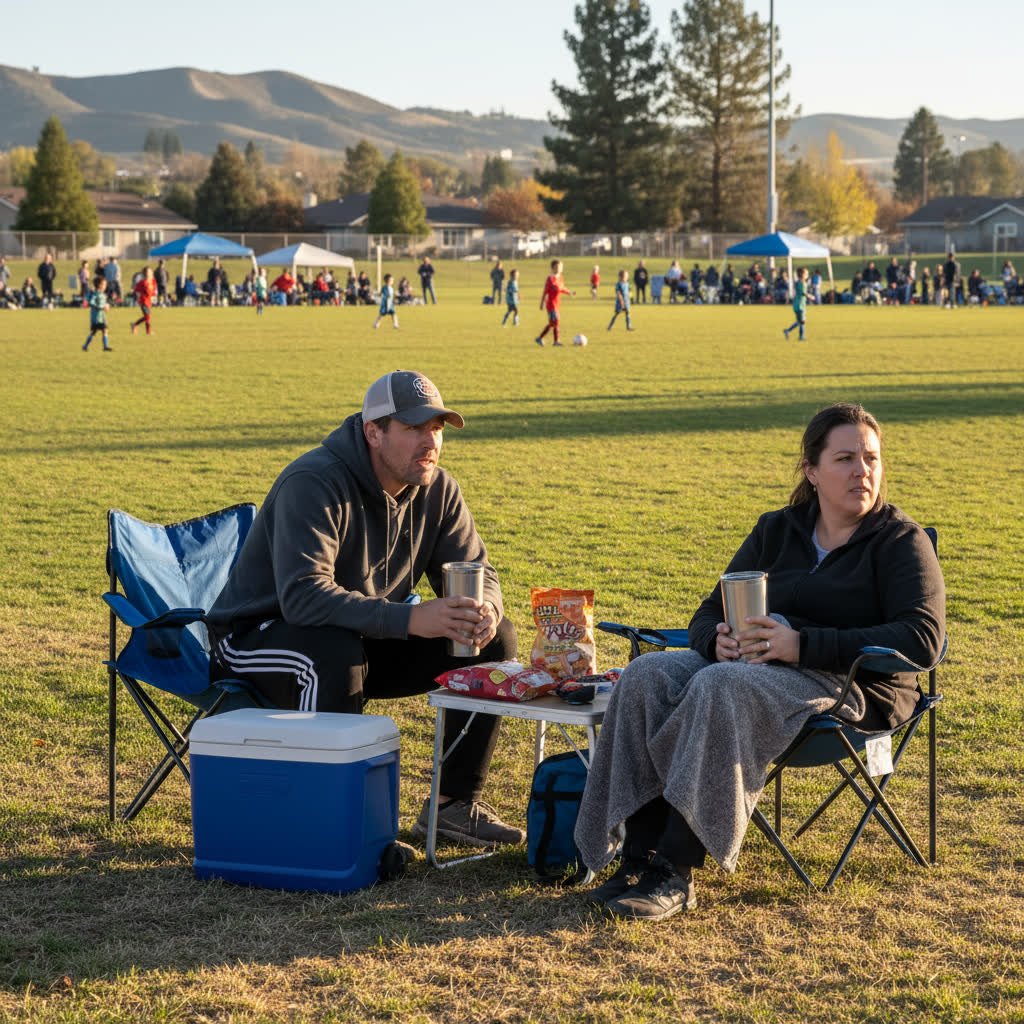
And if you’re doing that, maybe grab a portable goal set for the backyard, a training net that won’t collapse every ten minutes, and a rolling cooler so you can survive the next “relaxed” Sunday scrimmage.
The Clubs That Actually Get It
Every once in a while, you’ll find a program that quietly does it right. They don’t post 500 photos after every event. They don’t promise college exposure in 5th grade. They focus on the fundamentals, emphasize fun, and make your kid feel seen, not sold to.
Those programs still exist. They’re just harder to find because they’re not screaming about it online. They’re too busy teaching kids how to be better athletes and better humans. You’ll know when you find one because your kid will come home sweaty, smiling, and talking about something they learned, not something they won.
That’s the real development. No hashtags required.
The Final Play
So the next time a club director hands you a glossy brochure about their commitment to player development, take a deep breath, smile politely, and translate it in your head. We need your kid and your credit card. Then look past the slogans. Ask about their coaches. Watch a practice. See who is actually teaching, not who is perfecting their clipboard pose for Instagram.
If you have ever wondered what those sideline “coaching performances” look like up close, check out How to Talk to a Coach Without Starting World War Sideline
Because player development in youth sports is not a brand, it is a belief. The best kind does not come from a PowerPoint or a hotel ballroom presentation about elite pathways. It comes from a person who truly cares. Someone who remembers that kids are still kids, not unpaid interns auditioning for ESPN.
And if your child has one of those coaches, the kind who corrects, encourages, and makes them laugh right after they mess up, you have already won. No rankings, no commitments, no fancy gear required. Just a happy, sweaty, smiling kid who still loves the game. That is the kind of development nobody can sell, but every parent secretly hopes to buy.
FAQ: Player Development in Youth Sports
What does player development in youth sports really mean?
It’s supposed to mean helping kids grow their skills, confidence, and love for the game over time. But these days, it often gets used as marketing fluff for programs that care more about trophies than teaching. Real player development is about progress, not perfection.
How can I tell if a club actually focuses on player development?
Watch a practice. Are coaches teaching every kid, or just the top line? Do players look engaged and improving, or bored and waiting in line? The difference is easy to spot when you stop reading the brochure and start observing the field.
Is travel sports better for player development in youth sports?
Not automatically. Some travel programs are fantastic, but others are just road trips with uniforms. What matters most is the coaching quality and how much your kid actually touches the ball. Mileage does not equal mastery.
Why do clubs always say they’re about “development” instead of winning?
Because it sounds noble and sells better. “Development” reassures parents that their money is going toward something meaningful. The problem is when the club’s version of development involves more invoices than improvement.
What does real player development in youth sports look like?
It’s messy, slow, and often unglamorous. It’s the kid practicing in the driveway, missing shots, learning, and coming back stronger. It’s a coach who corrects, encourages, and laughs with them when they fall on their face. Real growth doesn’t come with a hashtag or a highlight reel.
How can parents actually help their kid develop?
Give them time and space to love the game. Let them fail, let them rest, and celebrate effort more than outcomes. And for your own sanity, bring a good chair, a full cooler, and realistic expectations because patience is the most underrated sideline skill there is.