
Sports specialization has officially taken over youth sports, and it is destroying kids faster than parents can reload the team app.
Listen up!
Put down that nine-dollar lukewarm deli coffee you grabbed from the Mega-Complex Sports Dome in Nowheresville, USA. You know the one. It tastes like burnt sadness, yet you keep sipping it because you woke up at 5 a.m. to pack a cooler your kid will ignore all day.
Go ahead and mute the podcast telling you how to optimize your eight-year-old’s glycogen levels. Your child does not need a fueling strategy that sounds like it was written for a Tour de France cyclist. He needs breakfast and maybe a nap.
We need to talk.
A real talk.
A parent-to-parent, sanity-to-sanity talk about what we are doing to our kids.
Right now we are living in the golden age of ruining youth sports. We took something that used to be simple and joyful and we turned it into a high-pressure, high-cost, hyper-organized circus.
Kids used to play outside until the streetlights came on. They rode bikes with sketchy brakes. They scraped their knees on pavement. They figured out how to talk to other kids without sounding like robots. They learned how to lose and how to win without anyone filming it.
Now we have industrialized childhood. We built an entire business ecosystem on the backs of ten-year-olds who just wanted to play. It is commercialized. It is expensive. It is over-structured. It is relentless. It is a machine that devours weekends, money, free time, and joy.
And the engine that powers this entire flaming carnival ride is the same one dragging thousands of kids straight into burnout and injury before they hit puberty.
It is the sports specialization trap.
THE YOUTH SPORTS SPECIALIZATION TRAP
Sports specialization has become the monster hiding in plain sight. It is the pressure that tells parents their kid must go all in the second they show the slightest hint of coordination at age six. One decent catch in the backyard and suddenly everyone is acting like a scout from ESPN is hiding behind the bushes.
Parents see a flicker of talent and immediately picture Mahomes launching bombs, Messi slicing through defenders, Ohtani blasting moonshots, or Caitlin Clark draining logo threes. The fantasy kicks in fast and hard. Every parent thinks the next sports documentary will start in their driveway.
The result is chaos.
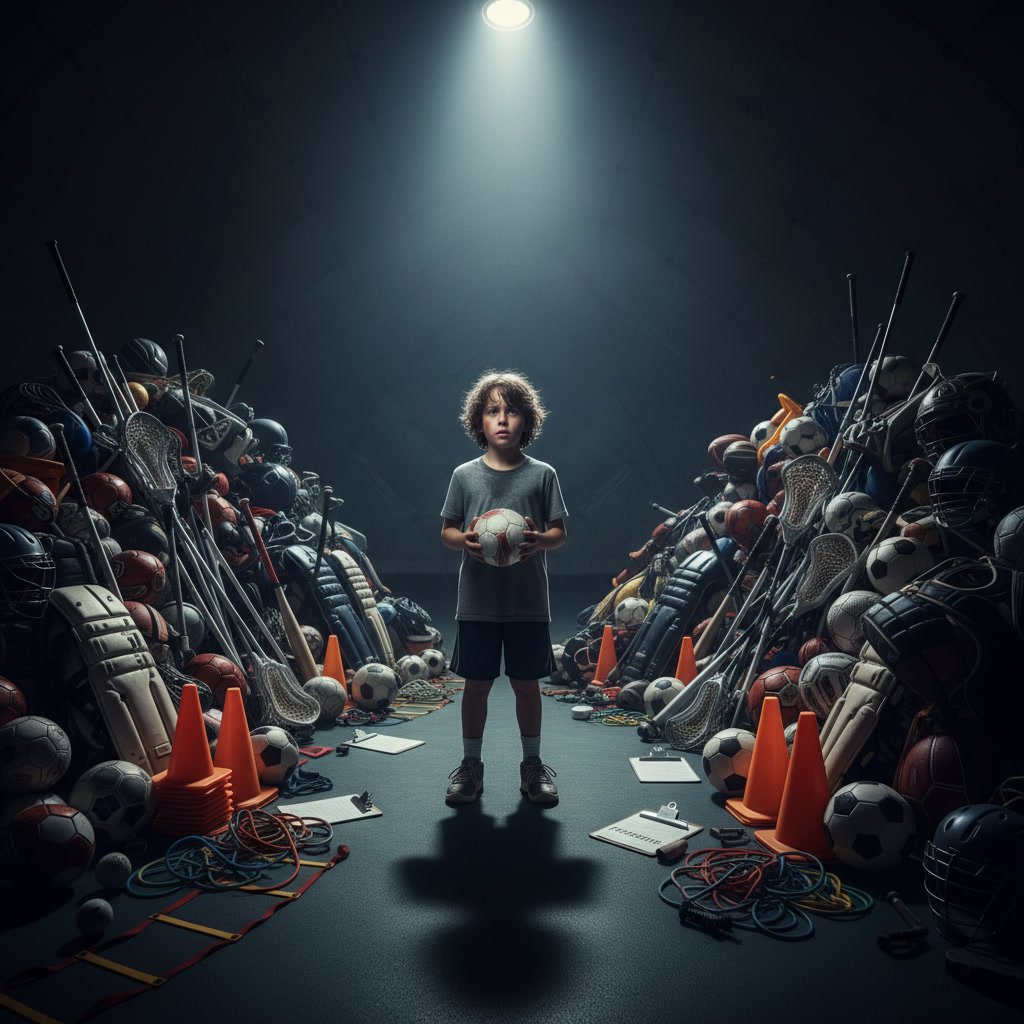
Before you know it, the family calendar looks like an Olympic training program. There is a private skills trainer. There is a speed coach. There is a recovery coach who charges more per hour than a therapist. There is a mindset coach who is basically a motivational speaker with a whistle. There is a nutritionist analyzing your child’s snack choices like they are prepping for the NFL Combine.
Then come the three travel teams. Then come the weekend tournaments in small towns you did not know existed. Then comes the Excel spreadsheet tracking reps, goals, shots, passes, meals, sleep, hydration, and who knows what else.
If your kid wants to try a different sport, people act like you suggested they commit a felony.
If they want to take a season off, everyone panics like they are throwing away their entire future.
If they say they are tired, you get told they need more mental toughness instead of rest or basic human compassion.
We bought into the lie that sports specialization is the golden ticket to scholarships and fame. We convinced ourselves that if our kid does everything early and everything year round, success is guaranteed. That fantasy is powerful. It is also completely fake.
The truth is ugly.
The ticket is counterfeit.
The cost is real.
Sports specialization drains kids faster than any drill or game ever could. It steals their physical health before they hit puberty. It wipes out their mental energy. It limits their social life. It kills their excitement for the sport. It destroys knees, elbows, backs, and ankles before the school nurse can spell orthopedic.
These kids peak in seventh grade. They meet their first surgeon before they meet their first crush. They burn out long before they should be having the time of their lives.
This entire system is a machine powered by anxious parents, aggressive marketing, and the belief that more is always better. It is a scam built on fear. It is a business model disguised as a childhood.
So buckle up.
It is time to break down exactly why the multi-sport athlete is built for longevity and why sports specialization turns kids into fragile, exhausted, burned-out robots who stopped having fun a long time ago.
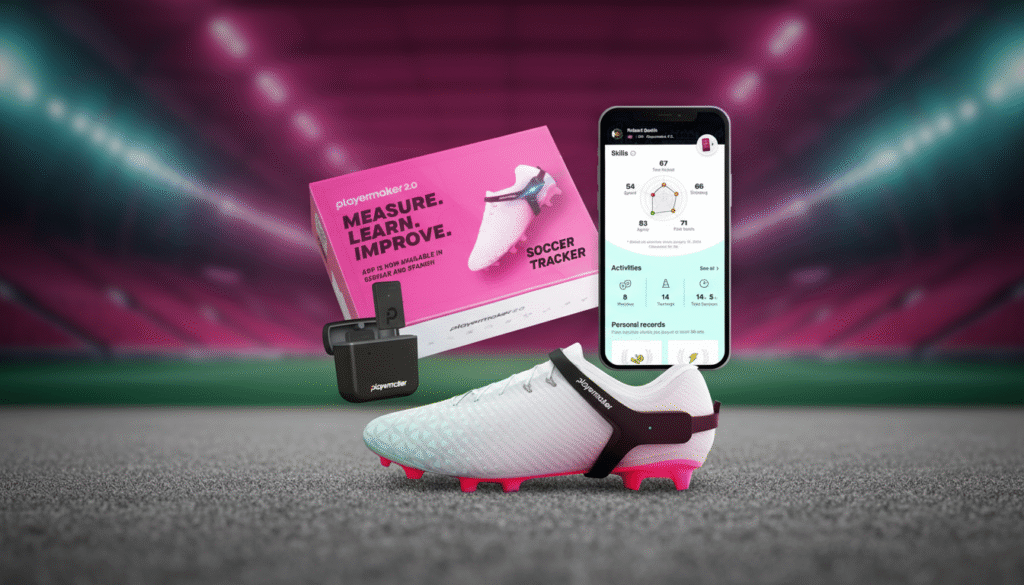
Playermaker 2.0 Smart Soccer Tracker
Track every touch, sprint, and skill with next-level accuracy. The ultimate upgrade for serious soccer players who want real progress, not guesses. Level Up Your Game!
Spalding TF DNA Smart Basketball
Get real-time shooting, dribbling, and performance stats right on your phone. Train smarter and improve faster on any court, indoors or out. Train Smarter Today!
BlazePod Reaction Training
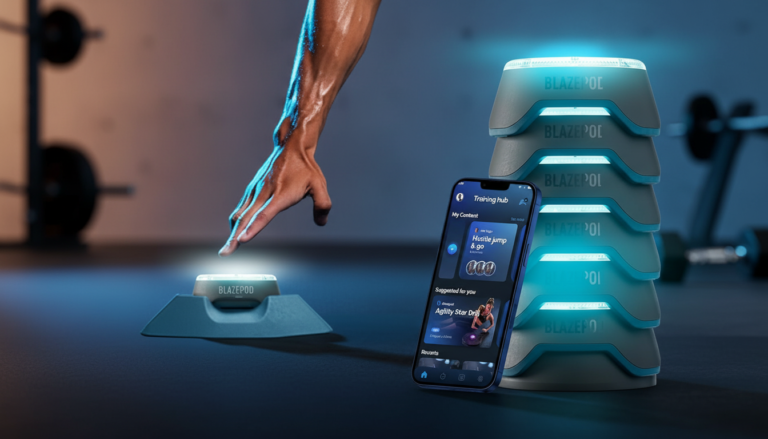
Boost speed, agility, and reaction time with pro-level light pods. Perfect for athletes, coaches, and anyone who wants explosive quickness. Boost Your Speed!
THE “ELITE” DELUSION: CHASING GHOSTS IN MINIVANS
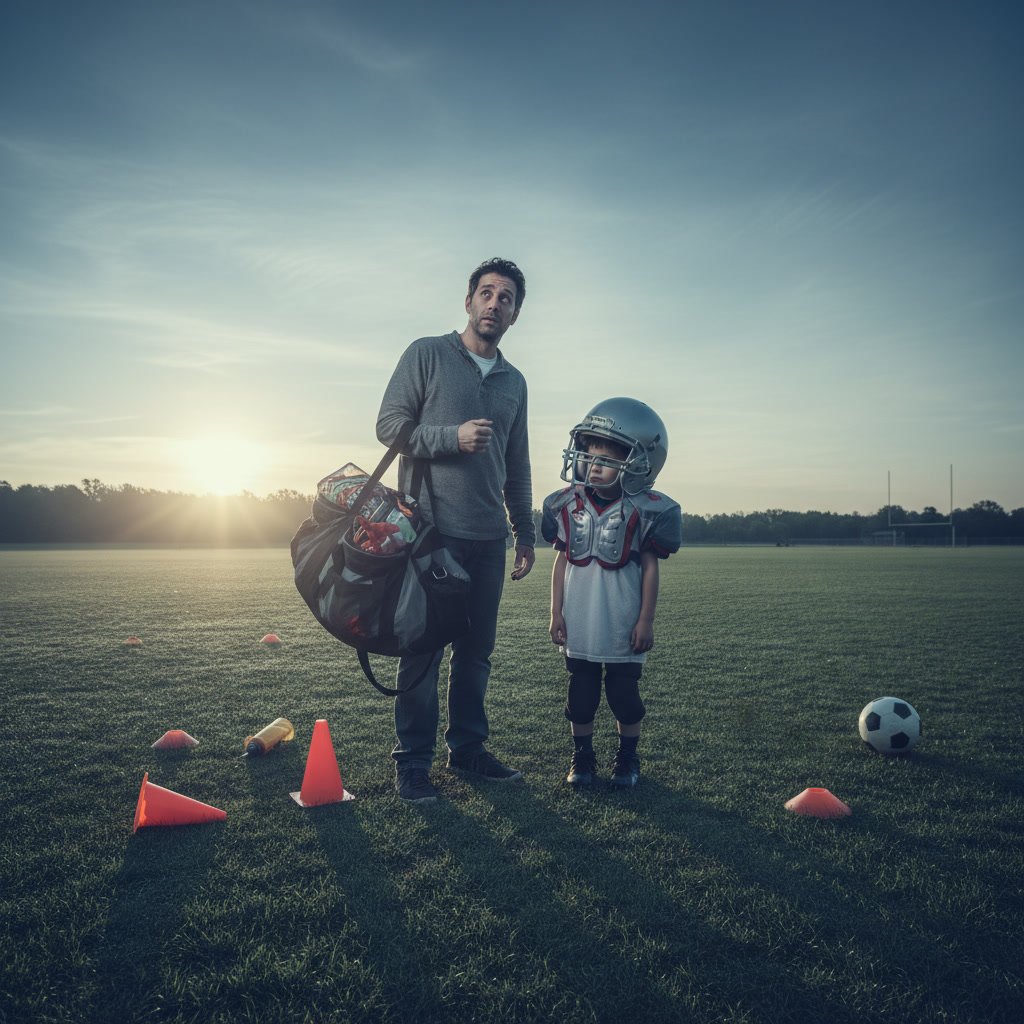
Sports specialization has parents doing things that make absolutely no sense, so let’s start with the real question. Why are you spending your entire weekend driving four hours to a dusty tournament field in Ocala, Florida, just to watch your kid play three forgettable innings against a team with a twelve-year-old who looks like he files taxes and pays a mortgage.
It is the dream.
It is the fantasy.
It is the internal documentary you secretly narrate in your head where your kid becomes The One.
You tell yourself that if you push a little harder, it will all pay off. If you skip vacations for tournaments, something magical will happen. If you hire the right coaches and show up to every camp, your kid will be the exception.
You see Tiger Woods training early and assume your kid must start earlier. You see viral highlights and think your child is one big moment away from becoming a national sensation. You convince yourself the scholarship gods are watching.
Then reality shows up like a slap to the face.
It is almost never them. The odds of going Division 1 are microscopic. The odds of going pro are even smaller.
Most kids have a better chance of getting struck by lightning during a shark attack.
But the belief stays alive because the entire system is designed to keep parents hopeful and terrified at the same time. This is how sports specialization hooks you.
Everywhere you look, someone is selling the dream. There is the Elite Showcase Camp that costs six hundred dollars to run your kid through drills while a retired minor leaguer half-watches. There is the Fall Select League that insists missing one weekend will derail your child’s future. There is the Advanced Skills Module that charges extra to teach skills you assumed your kid learned last season.
It is a business model built on parental fear. Fear that your kid is falling behind. Fear that someone else is doing more. Fear that doing less means you are failing them.
And when you spend ten thousand dollars a year on soccer or baseball, you start believing specialization is the only path. If you are paying that much, surely your kid must stay committed to one sport. Surely they have to stay locked in year round. Surely this is what success looks like.
It is not. It is not development. It is not a strategy. It is sunk cost panic disguised as ambition.
Instead of creating elite athletes, the system is building elite orthopedic patients. Kids are breaking down before they even hit high school, and surgeons are becoming the real beneficiaries of the youth sports economy.
The parents chase the dream. The kids absorb the damage. And the cycle repeats until burnout or injury forces everything to stop.
THE BODY COUNT: WELCOME TO THE ACL EPIDEMIC

Take a breath, because this next part is rough.
This is where the consequences of sports specialization hit hard, and parents usually start shifting in their seats.
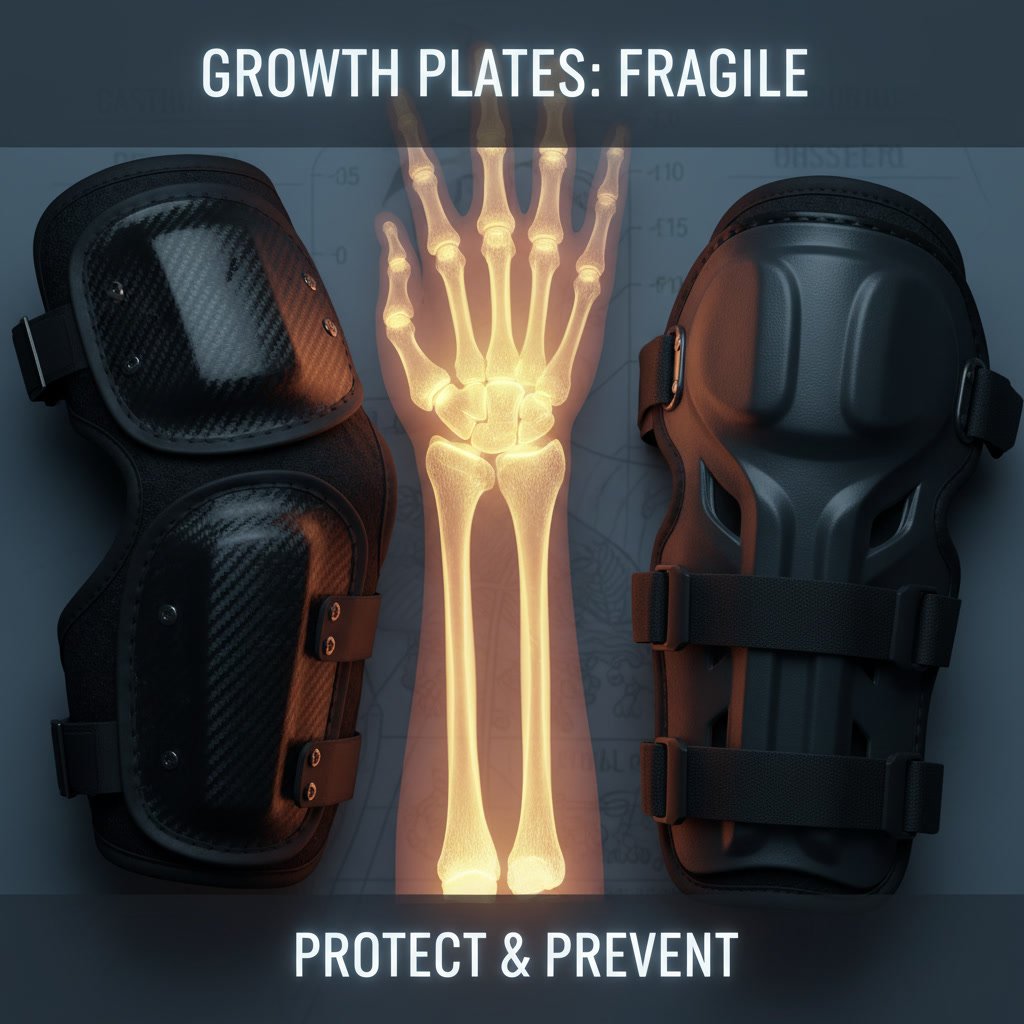
Kids are not miniature adults. Their bodies are still under construction. Their bones are soft. Their joints move like loose hinges. Their growth plates are made of thin cartilage, optimism, and whatever magic holds together Play-Doh art projects from preschool.
Everything is still growing. Everything is still forming. Nothing is built to withstand repetitive stress.
So when a ten-year-old performs the exact same movement thousands of times a year with no real break, there is only one possible outcome. The laws of physics win. Your child’s body does not.
It does not matter how tough they are. It does not matter how much ice you wrap around the injury. It does not matter how many Instagram trainers say that grinding year round builds champions. A kid’s growing skeleton simply is not built for that kind of wear and tear.
Adults sprain something. Kids crack something. Adults strain a muscle. Kids damage growth plates that affect long-term development.
This is the part nobody likes talking about. Sports specialization is marketed like a direct path to greatness, but it is more often a direct path to the orthopedic clinic. If your child is repeating the same sport motions all year with no cycle of rest or variety, their body is slowly getting cooked.
One day it is a sore elbow. Next week it is tight knees. Then comes the limp. Then comes the appointment. And eventually comes the phrase no parent wants to hear. Overuse injury.
This is not a matter of talent or toughness. It is biology. It is what happens when a child’s body is pushed like an adult’s body long before it is built for that kind of load.
Sports specialization creates one outcome again and again. Kids break down while parents wonder how it happened.
TOMMY JOHN TODDLERS
Let’s talk baseball, because this is where sports specialization goes completely off the rails.
The obsession with velocity at young ages is insane. Every dad wants his eleven-year-old throwing seventy miles an hour and snapping off sliders like he is auditioning for ESPN. Half of these kids cannot remember their homework, but parents think they should already be developing a nasty two-seam fastball.
So the cycle begins. Kids pitch in the spring for school. They pitch in the summer for travel. They pitch in the fall for development leagues. They pitch in private lessons. They pitch in showcases. They pitch in sessions that coaches call optional but everyone knows are mandatory if you want playing time.
There is no off switch. There is no break. There is no reset.
And then everyone acts shocked when teenagers start scheduling Tommy John surgery instead of attending homecoming. It has become normal for high school kids to show up to prom with an elbow brace because they shredded their UCL before they even reached puberty.
This surgery used to be something thirty-year-old pros needed after years of throwing. Now it is something fourteen-year-olds need because their dad watched the wrong mechanics video on YouTube and decided they could unlock extra velocity by throwing curveballs seven days a week.
That is the reality of sports specialization. It is not building champions. It is building surgical patients.

GoPro HERO13 Black
Waterproof, ultra durable, and built for the sidelines. Capture 5.3K60 video and 27MP photos with next-level clarity and HB-Series lens compatibility. Capture Every Moment!

Skylight 15″ Digital Wall Calendar
A smart touchscreen planner that organizes your entire family in one place. Sync schedules, chores, reminders, and your 2026 calendar with a single glance. Organize Your Home!
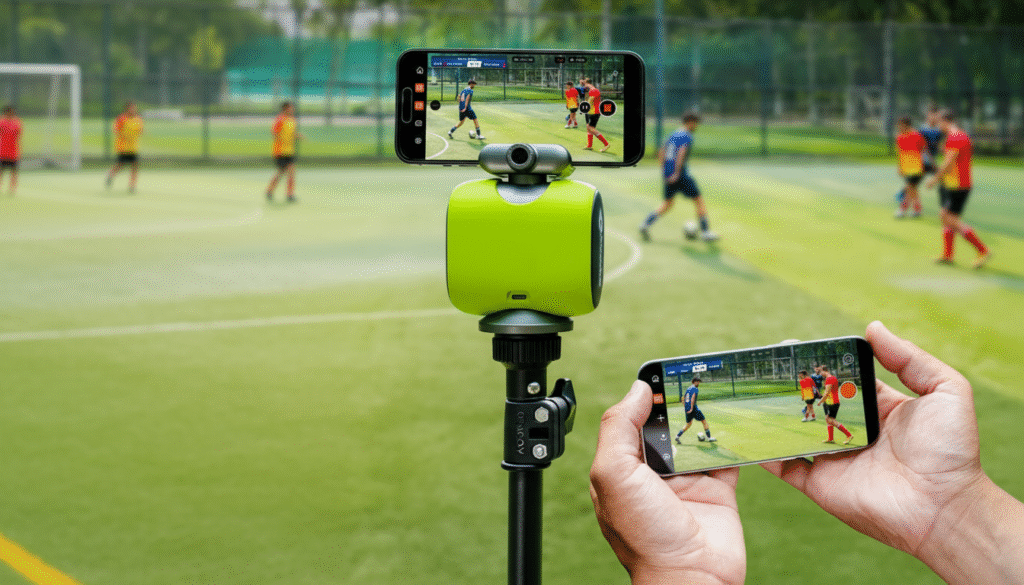
XbotGo Chameleon 4K AI Camera
Hands-free auto-tracking for soccer, basketball, and team sports. Shoots smooth 4K60, live streams, and needs zero subscription. Record Every Play
THE KNEE GRAVEYARD
Now let’s move to girls soccer and basketball, where the ACL epidemic is downright terrifying.
The constant year-round grind turns young athletes into single-movement robots. They do the same cuts, the same pivots, on the same surfaces, with the same imbalances, over and over again. There is no rest. There is no variety. There is no period where the body can recover.
This is not athletic development. This is mechanical wear and tear.
The result is predictable. Knees buckle. ACLs snap. Dreams derail.
You cannot build a Ferrari engine on top of a go-kart frame and expect it to hold together. Yet that is exactly what happens when a growing kid is pushed into the same high-intensity sport motions every month of the year without a break.
Sports specialization creates the perfect recipe for breakdown. The body is not failing. The system is failing the body.
THE MULTI-SPORT ARMOR

Now look at the multi-sport athlete. They are built completely differently.
These kids rotate sports throughout the year. Their movements change. Their muscles take turns working and resting. They build strength in one season and mobility in another. Their bodies get what they need most. Variety.
Soccer gives them stamina and elite footwork. Basketball gives them explosiveness and body control. Baseball gives them hand eye coordination and rotational power.
Everything works together. The body becomes well rounded. The brain stays engaged. The athlete grows instead of breaking down.
The injury rates drop. The athleticism increases. The durability skyrockets.
The specialized kid is the one who knows the athletic trainer by name at age thirteen. The multi-sport kid is the one sprinting, jumping, cutting, and thriving because their development actually makes sense.
This is the irony of sports specialization. The kids who play only one sport get hurt the most. The kids who play everything stay on the field the longest.
BURNOUT CITY: WHERE THE LOVE OF THE GAME GOES TO DIE
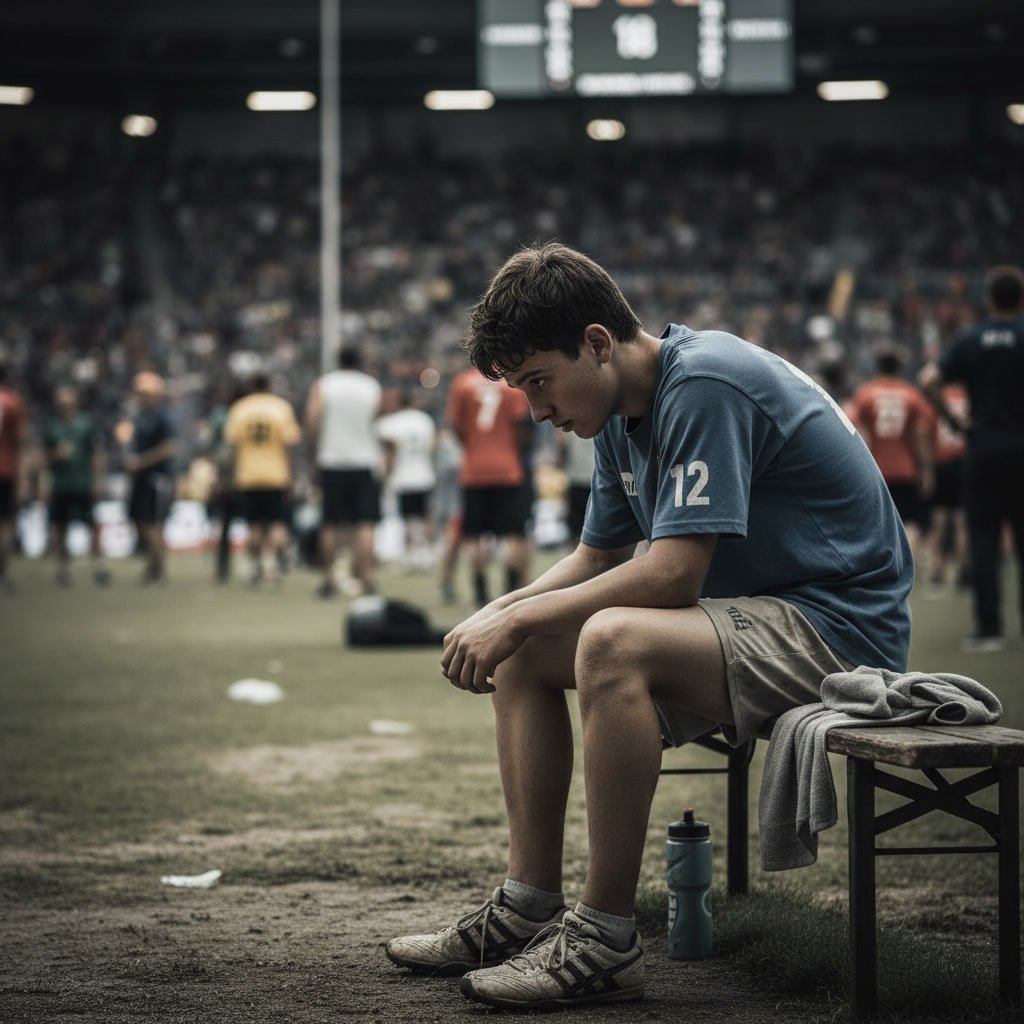
If the physical damage did not get your attention, the psychological side of sports specialization will absolutely wreck you.
This is the part nobody prepares for. Parents expect injuries. Parents expect ice packs. Parents even expect the occasional trip to urgent care. What they do not expect is the emotional toll that comes from turning a child’s hobby into a year-round job before they even hit middle school.
Take a walk around any high level youth tournament. Look at the kids between games. Not while they are playing. Look at them on the sidelines. They are not laughing. They are not joking around. They are not having a carefree childhood moment.
They look exhausted. They look stressed. They look like adults waiting for a meeting that should have been an email.
This is not normal kid energy. This is burnout disguised as competitiveness.
Sports specialization traps kids inside one identity. By the time they are nine years old they are already known as the soccer kid or the baseball kid or the lacrosse kid. Their entire sense of worth is tied to one activity. Every mistake feels like a crisis. Every game feels like a referendum on their future.
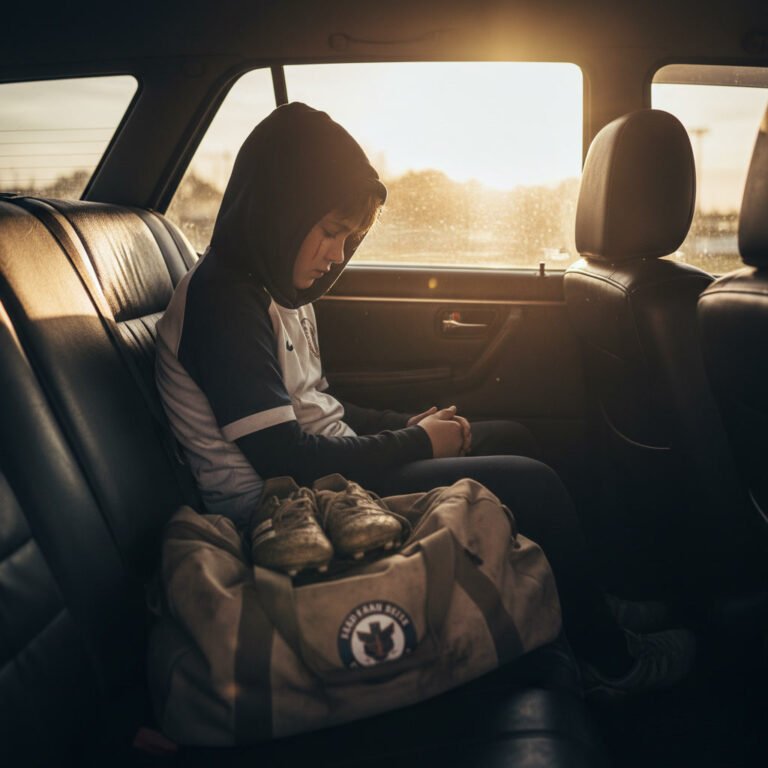
The car rides home tell you everything you need to know. The kid stares at the window. The parent starts replaying every moment of the game. The critique begins. The tension grows. Nobody is having fun.
When a child lives inside this pressure cooker year after year, the passion disappears. The excitement fades. The thing that once made them light up starts making them shut down.
By the time they reach their teenage years, when sports should be the most fun and competitive, many of these kids are mentally checked out. They are burnt to ash long before they ever get to the level parents dreamed about.
The statistics prove it. Most kids walk away from organized sports by age thirteen. They do not quit because they are lazy. They quit because the joy has been sucked out of the experience. Sports specialization turns something that should be fun into something that feels like a job.
And once the joy is gone, it rarely comes back.
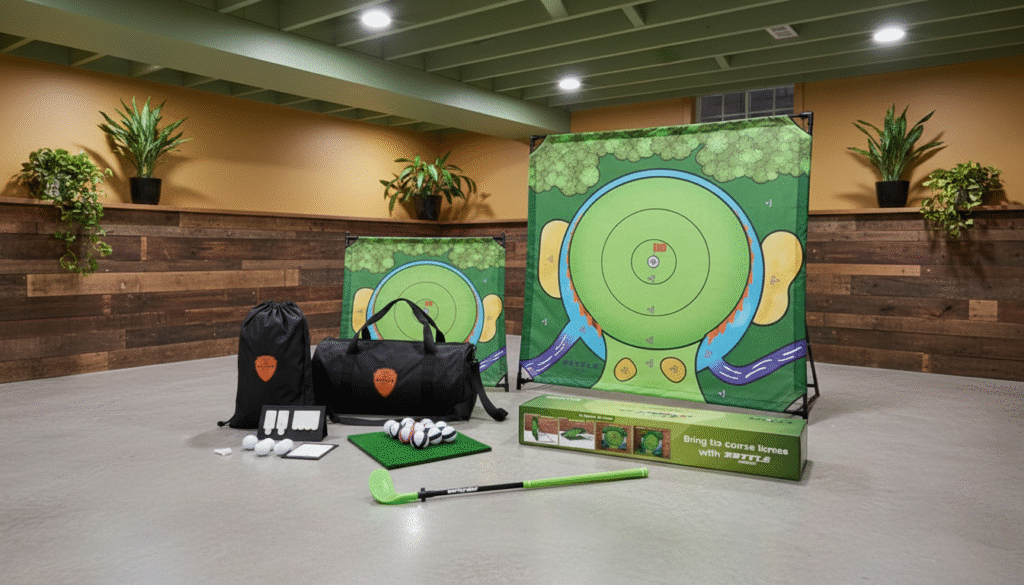
Indoor Battle Golf Chipping Game
A portable chipping challenge for golfers of all ages. Perfect for dads, juniors, and anyone who wants to sharpen their short game without leaving the house. Upgrade Your Short Game!
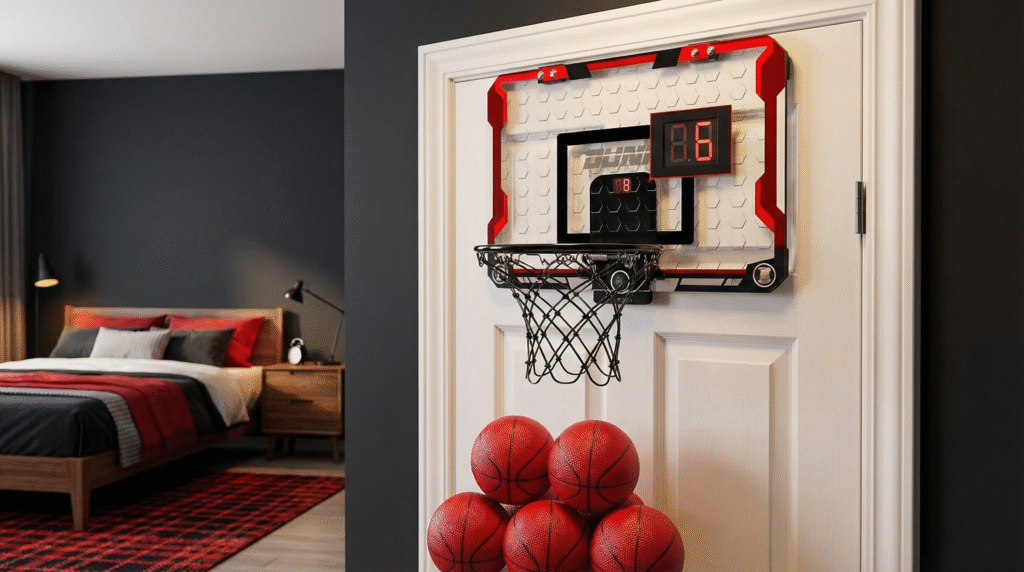
TEMI Indoor Basketball Hoop
A durable over-the-door hoop with four mini balls for nonstop indoor fun. Great for kids who want to practice shots, dunk, and burn energy year round. Shoot Indoors Anytime!
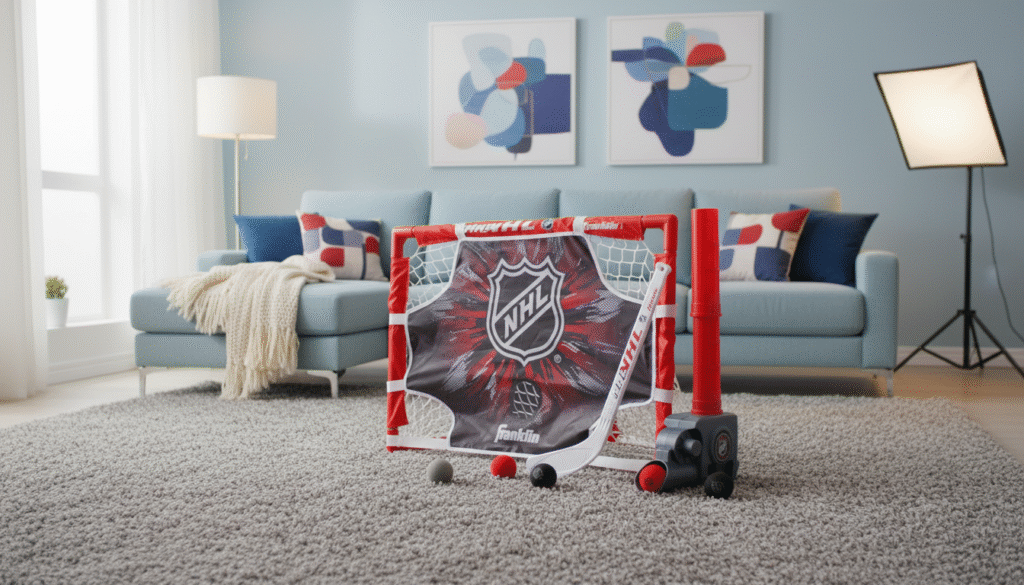
Franklin Mini Hockey Passer Set
A complete mini hockey setup with an automatic passer, goal, and targets. Perfect for shooting practice, quick reflex drills, and basement battles. Start the Game!
THE ULTIMATE CHAD: THE MULTI-SPORT ATHLETE

Let’s talk about the real heroes in this entire mess. The multi sport kids. These are the ones who somehow escape the pressure and come out on the other side built like athletic superheroes.
Multi sport kids walk into a football tryout with zero experience and somehow look like they have been training their whole lives. By the second day they are catching passes, reading plays, and confusing coaches who are trying to figure out why a kid from the basketball team suddenly looks like the best receiver in the building.
They adapt fast.
They learn fast.
They compete at anything without freezing up.
You cannot teach that kind of natural confidence. You earn it by playing everything.
Here is the part nobody pushing sports specialization wants parents to know. Almost every elite athlete you admire was a multi sport kid. Not a single one was groomed in a private lesson bubble.
Patrick Mahomes played baseball and basketball like his life depended on it.
Wayne Gretzky put away the hockey gear every spring and picked up a lacrosse stick or a baseball glove.
LeBron was an All State football player while dominating basketball.
Aaron Judge towered over every field he stepped on in three different sports.
Sydney McLaughlin rotated between soccer, basketball, and track before becoming a world champion.
The best athletes in the world did not specialize early. They learned how to move, how to compete, how to fail, and how to bounce back by playing everything they could get their hands on.
Multi sport athletes are easier to coach because they have heard different voices and styles. They understand teamwork because they have played different roles on different teams. Some seasons they are the star. Some seasons they are a role player. That builds humility and resilience.
They also experience variety. Their bodies do not take the same beating every month of the year. One season builds stamina. Another season builds explosiveness. Another develops coordination and balance. Their bodies grow evenly instead of collapsing under repetitive stress.
They love competition because it stays fresh. They do not burn out because they do not live inside one sport for twelve months straight. They become smarter movers because they learn dozens of athletic skills instead of one narrow movement pattern.
In the long run, the multi sport kid is the one who thrives. The multi sport kid is the one who stays healthy. The multi sport kid is the one who still loves playing when everyone else quits.
Sports specialization creates fragile athletes. Multi sport participation creates absolute monsters.Specialized kids are fragile, hyper-pressured specialists with one skill set and a short shelf life.
HOW TO FIX IT (STOP BEING AN IDIOT)
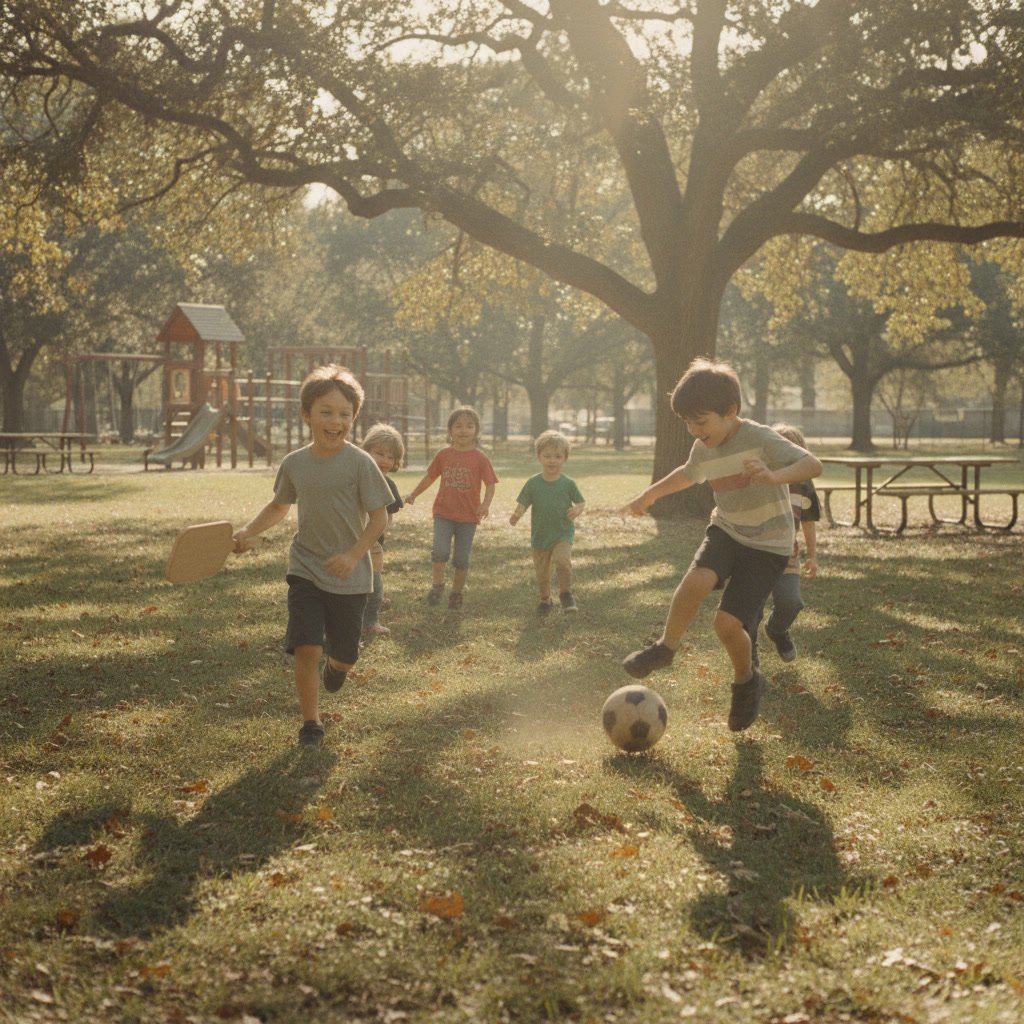
At some point the parents have to be the adults in the room. This is where you decide whether your kid actually enjoys sports or whether you are accidentally recreating a military-style training program in your own home without realizing it.
Sports specialization thrives because parents feel pressured. Fixing it starts with realizing you do not have to participate in the crazy. You can opt out. You can choose sanity.
Here is the real Sideline Legends Guide to not ruining your athletic child.
1. The Age Rule
This rule is simple. Your kid should not spend more hours a week in structured training than their age. A ten year old should not be training twenty hours a week. That is not commitment. That is orthopedic roulette.
Too much training does not toughen them up. It breaks them down. Kids need rest. Kids need free play. Kids need afternoons where they are allowed to be children instead of trainees in a youth sports laboratory.
Follow the age rule and your kid will thank you later with functional joints.
2. Embrace the Offseason
Your child is not a professional athlete. Even the best in the world take time off. LeBron takes time off. Mahomes takes time off. Ohtani takes time off. Adults understand recovery is part of development.
Your kid deserves the same. If they play a spring sport, let the winter breathe. If they play a fall sport, give the summer space. Their bodies need it. Their minds need it. Their enthusiasm for the sport depends on it.
Sports specialization removes the offseason. You put it back.
3. Sampling Is King
Before puberty, your kid should be trying everything. Soccer. Basketball. Swimming. Lacrosse. Track. Martial arts. Tennis. Volleyball. Whatever gets them moving and smiling.
This is how athletic foundations are built. Kids learn coordination from one sport, speed from another, balance from another, teamwork from another. The more variety they get now, the stronger and more complete they will be later.
The buffet approach works. Kids discover what they truly love instead of what they were boxed into. Sampling protects them from burnout and protects their bodies from the repetitive damage caused by early sports specialization.
4. Chill Out on the Sidelines
Please take a deep breath. You do not need to coach from the bleachers like your kid is playing in the Super Bowl. They can hear you. The entire sideline can hear you. The referee definitely hears you.
Stop yelling instructions. Stop body language coaching. Stop living through a child who still needs help finding their water bottle eight times a day. Let the coaches coach. Let the kids play.
Your kid does not need a postgame performance review in the car ride home. They need someone who is proud of them for trying. They need someone who makes them feel safe to fail. That is how they grow. That is how they stay in sports long term.
Chilling out is not being passive. It is being supportive. Your child will remember how you acted far more than they will remember the score.
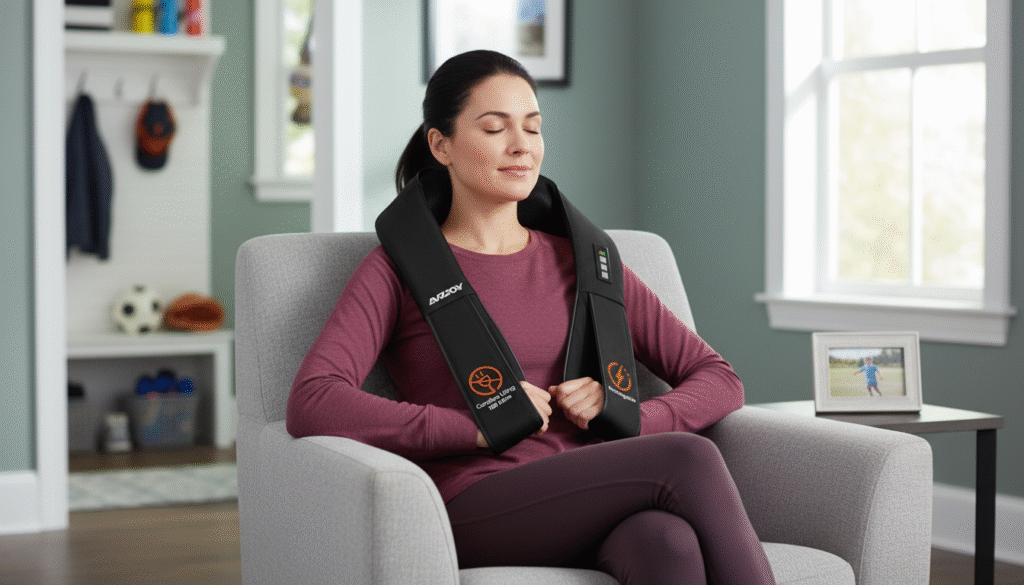
AMZPONY Cordless Neck Massager
A deep-tissue, heated shiatsu massager that melts away neck, back, and shoulder tension. Rechargeable, portable, and the perfect pain relief gift for anyone. Relax Instantly!
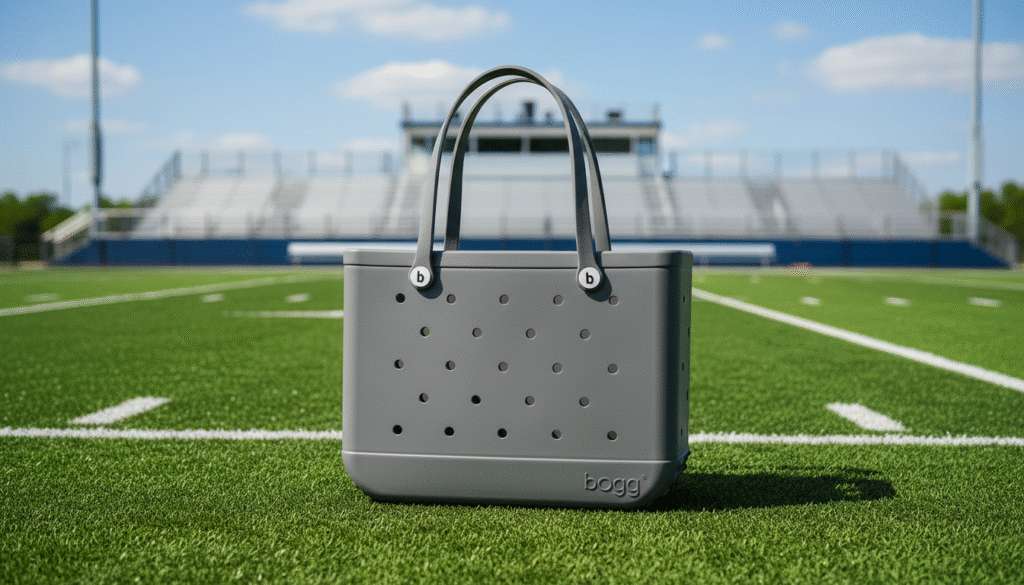
BOGG BAG All-Purpose Tote
A durable EVA tote that handles beach days, pool trips, sports gear, and everyday chaos. Waterproof, sturdy, and built for busy families on the go. Grab the Ultimate Tote!
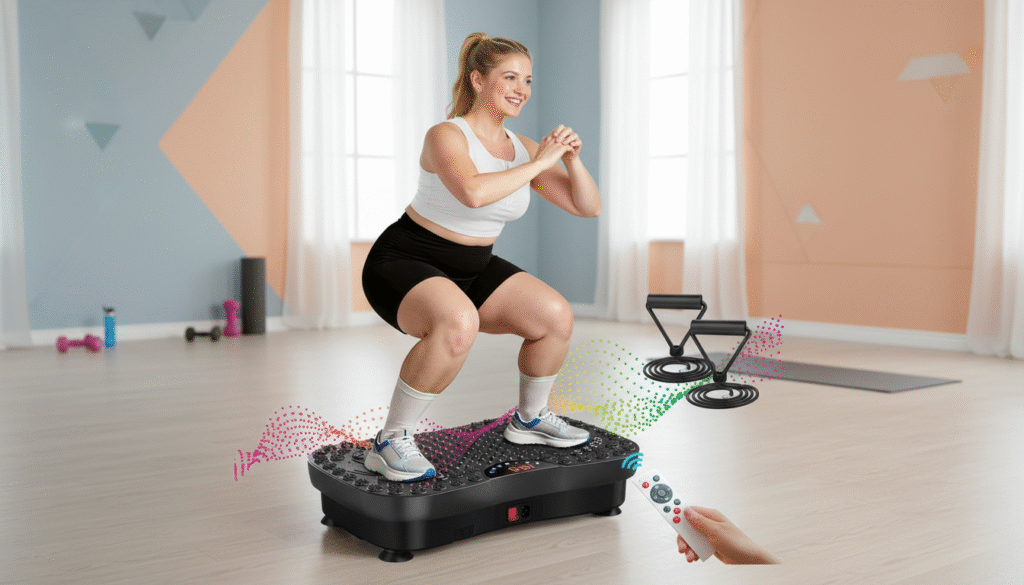
AXV Vibration Plate Workout Board
A full-body vibration platform that boosts strength, balance, and circulation. Ideal for home workouts, recovery, and low-impact training sessions. Elevate Your Workout!
THE FINAL BUZZER

The truth is simple. The Youth Sports Specialization Trap is not a small parenting mistake. It is a massive societal failure. It was built by people who profit from it and fueled by parents who are terrified of doing anything less than everything.
Sports specialization creates kids who look unstoppable at age eleven and look like they need a retirement package by sixteen. These kids are overtrained, overwhelmed, and exhausted before they ever get a chance to experience what playing for the love of the game even feels like.
There is a better path. It is the path every expert, every professional athlete, and every piece of actual data agrees on. Kids need diversity of movement. Kids need variety. Kids need seasons of change. Kids need to play more than one sport so their bodies and minds grow instead of collapse.
Let your kid be a kid.
Let childhood breathe again.
Skip the so called elite winter development showcase that is basically a payday for someone who does not even know your child’s name. Take the money you would have spent and buy a pickleball paddle. Go to the park. Goof around. Let your kid laugh without being graded on their performance.
Their knees will thank you later. Their happiness will return. Their confidence will grow. Their love for sports might actually survive long enough to make it to adulthood.
Because here is the part parents forget. At the end of the day, your kid will not remember the ranking they had at age twelve. They will remember whether sports made them feel alive or made them feel pressured. They will remember whether you supported them or stressed them out. They will remember whether the experience brought joy or anxiety.
You are not raising a highlight reel. You are raising a human being. And if you play this right, they might still want to play the sport they love long after youth sports ends.
Class dismissed.
Now go let your kid be a kid.
Read Next on Sideline Legends
The Ultimate Sideline Survival Tool: Why the GoPro HERO13 Black Is the Only Teammate You Need
Turn your sideline chaos into crisp, frame-by-frame clarity. This is the upgrade all sports parents secretly need.
Skylight Calendar Review: The Day the Family Schedule Finally Snapped in Half
Your family calendar is lying to you. Here is the tool that finally stops the madness before you miss another practice.
15 Best Sports Gifts for Kids: Gear They Will Actually Use All Year
No more useless junk. No more impulse buys. These are the gifts real athletes love and parents do not regret.
Stop Yelling From the Sideline and Watch Your Kid Level Up
Want your athlete to play better immediately. Here is the one change that transforms confidence faster than any drill.
FAQ: The Youth Sports Specialization Trap
What exactly is sports specialization?
Sports specialization is when a child focuses on only one sport for most or all of the year. There is no seasonal break, no cross-training, and no time for other sports or unstructured play. Kids train like mini pros even though their bodies and brains are still developing.
At what age does specialization become harmful?
Research shows that specializing before age thirteen significantly increases the risk of burnout, overuse injuries, stress fractures, and emotional fatigue. Kids need variety. Their bodies need different movement patterns. Their minds need seasonal resets.
Does early sports specialization actually improve the odds of going pro?
No. Not even close. Almost every elite or professional athlete was a multi sport kid. Early specialization does not boost long-term success. It just boosts long-term injury rates.
Why do parents feel pressured to specialize?
Because the system is built to scare them. Coaches talk about falling behind. Clubs push year-round programs. Camps market themselves as the one opportunity you must not miss. Parents fall into the cycle because everyone around them appears to be doing more.
How can my kid get better without specializing?
Let them play multiple sports. Encourage unstructured play. Focus on fundamentals. Support overall athletic development instead of sport specific grind. Multi sport athletes grow stronger, faster, smarter, and more balanced.
What is the number one sign my child is burning out?
Loss of joy. When a kid who used to love a sport suddenly dreads going to practice, seems anxious before games, or asks to quit, they are not being dramatic. They are sending a signal. Burnout almost always starts mentally before it becomes physical.
How many sports should my child play?
As many as they enjoy. Before puberty, sampling is ideal. Most experts recommend two or three sports per year so the body can move in different ways and develop evenly.
What should I do if the coach pressures my child to specialize?
Ask for the reasoning. Most of the time, the pressure comes from team politics or club expectations, not science. Share evidence about injury risks. Set boundaries. At the end of the day, you control your child’s schedule, not the coach.