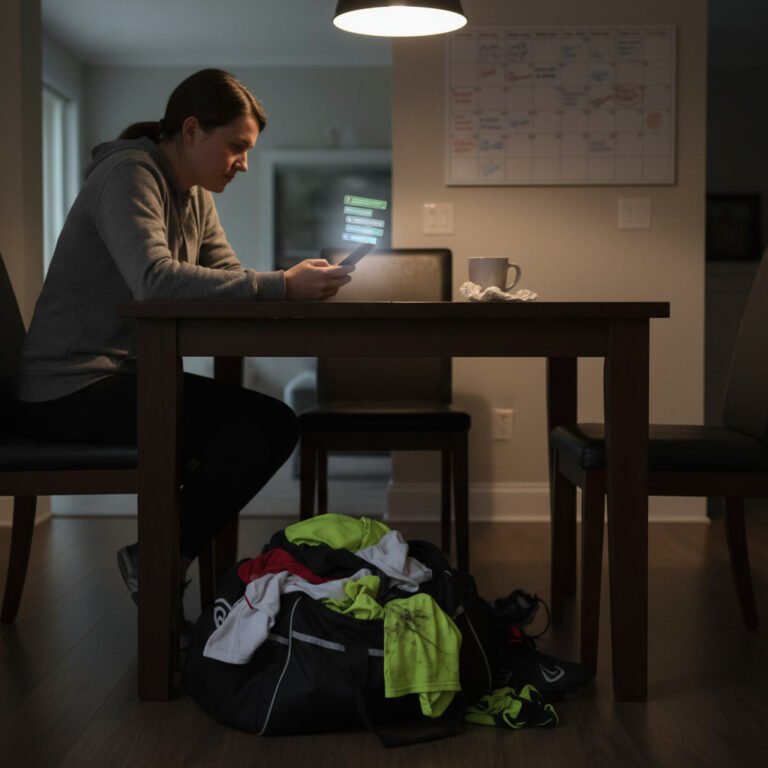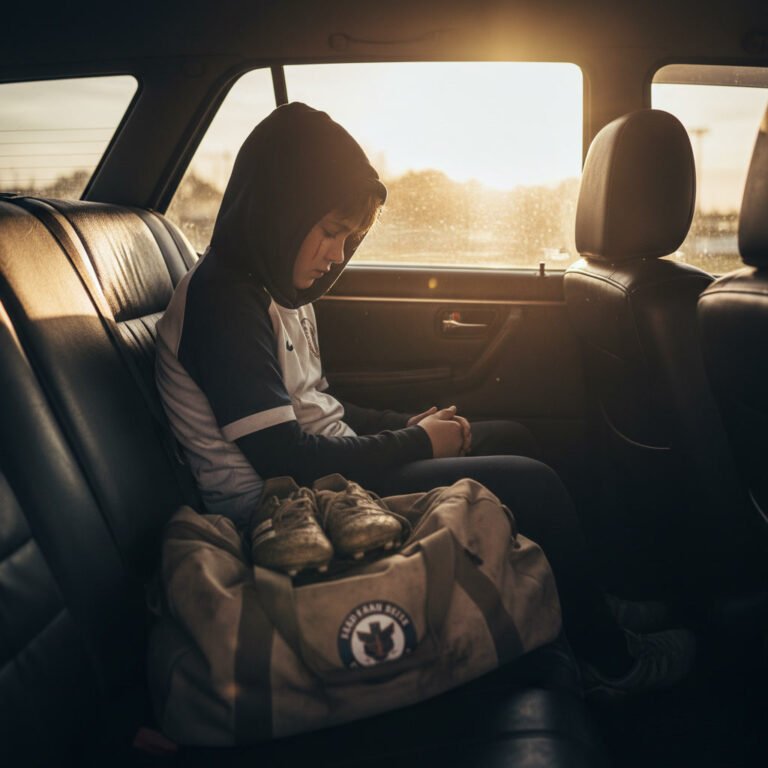

Bullying Doesn’t Build Character. It Builds Therapy Bills
Alright everybody circle up because Coach Pigeon has reached his emotional limit and I am about three claps away from turning into a motivational poster with anger issues. If toughening kids up actually worked every bullied athlete would be in the Olympics doing a victory lap with a gold medal and a therapist jogging beside them holding flavored electrolytes.
But no. Bullying is alive and thriving in youth sports like a raccoon in the snack shack. It hides under words like competitiveness and team culture and my personal favorite character building which is adult code for we saw the problem but decided to look the other way because someone said it builds grit.
Let me make something very clear. Bullying does not build grit. Bullying builds kids who stare out the window after practice like they are waiting for the rain to match their emotional journey. Bullying steals confidence faster than a TikTok trend disappears. It drains their love for the game. It turns pregame hype into pregame dread and it absolutely can ruin a season before the second team meeting.
And kids never report it. Not because it is fine but because they already know what some adult is going to say. Shake it off. Toughen up. You need thicker skin. Congratulations Chad. Back in your day you also drank hose water and thought concussions were personality upgrades.
Meanwhile the kids are getting roasted in the locker room for wearing last year’s cleats while three adults hover around pretending they are investigating the Gatorade cooler like that is the real emergency.
This guide is your complete everything manual. How to spot it early how to stop it fast and how to build a team culture where kids actually feel safe enough to try things without being verbally dropkicked by someone who learned their comebacks from YouTube.
Now here is the real truth. Kids do not quit sports because they are lazy or unmotivated or glued to their phones. Kids quit because bullying destroys them long before the whistle blows.
And Coach Pigeon has officially run out of patience and snacks. We are fixing this. Starting now.
The Truth. Bullying in Youth Sports Is Everywhere even when adults call it motivation

Let’s rip the bandaid off. Bullying in youth sports is not rare. It is not occasional. It is not happening to just one kid on one unlucky team. It is everywhere. It is baked into the culture so smoothly that most adults mistake it for normal.
Parents often minimize it because acknowledging it feels like admitting they missed something right in front of them. Coaches minimize it because it challenges the belief that their team culture is strong and positive. Leagues minimize it because dealing with it usually means paperwork, emails, and uncomfortable conversations.
Kids almost never report bullying because they already know exactly how it goes. They speak up. An adult tells them to shake it off or get tougher. They walk away feeling like the problem is theirs. So they stop talking.
And kids start believing this is just how sports work. Jokes that hit too hard. Teammates roasting mistakes. Being left out of chats. Being ignored at practice. They think they just have to push through it. They think the discomfort is part of the game. That silent majority is not quiet because everything is fine. They are quiet because they think this chaos is normal.
But here is the real truth. Bullying in youth sports is not subtle. It is loud. It is obvious. It is basically the entire TikTok comment section, but in uniforms, cleats, and outrageously priced water bottles.

Skylight Smart Family Calendar
The Skylight Calendar is perfect for families juggling sports, school, and daily life. It syncs everyone’s schedules in seconds and keeps the whole house running like a team.
Huupe Mini Smart Mini Basketball Hoop
This indoor hoop upgrades classic door basketball with a smart backboard and built-in games. Kids stay active, practice their shot, and enjoy a fun way to burn energy indoors.
What Bullying Actually Looks Like because it is almost never a punch in the nose
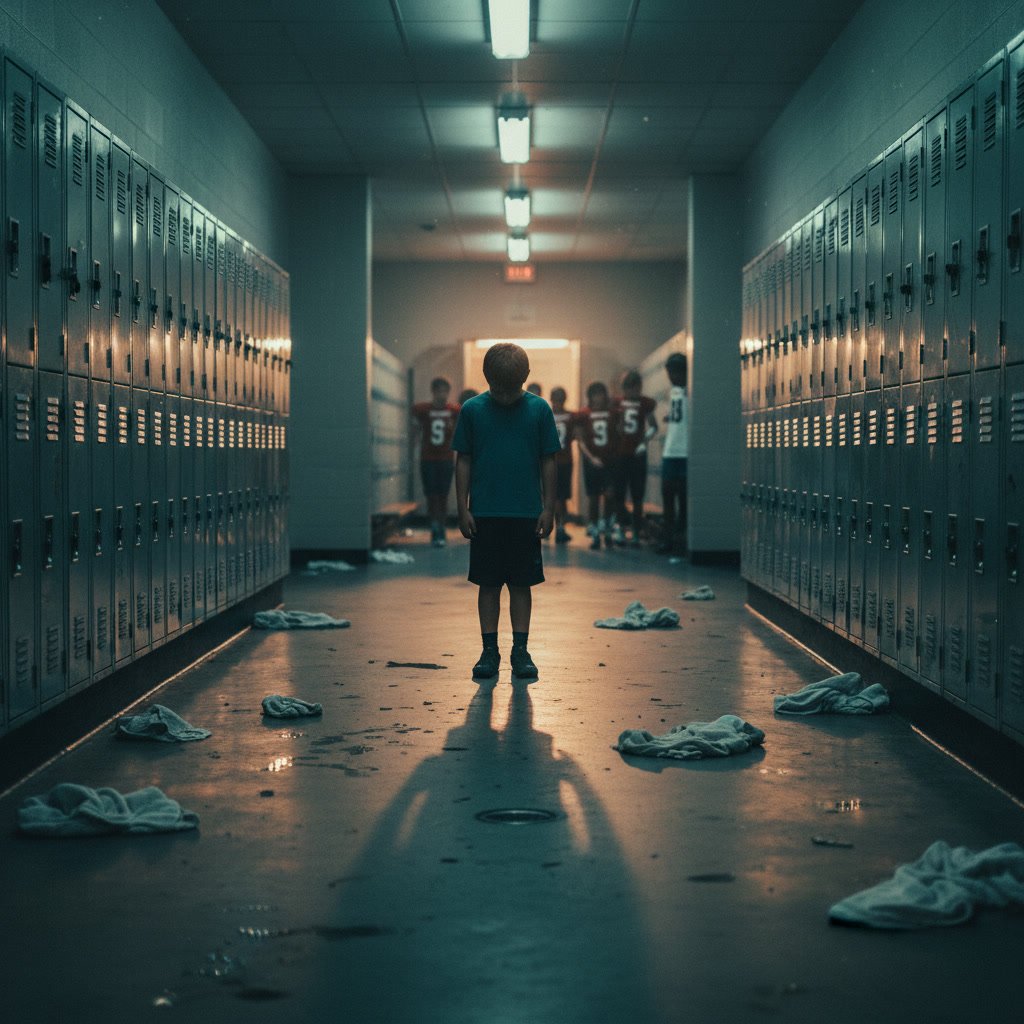
Bullying in youth sports is rarely dramatic. It is not a shove. It is not a fight. Most of the time it looks like regular team interactions with a twist of cruelty. It is slow. It is subtle. And it is often mistaken for bonding.
The “Just Joking Relax” Kid
This kid delivers insults like they are running a discount comedy special in the locker room. Every sting is followed by relax or I am only kidding.
Adults excuse it by saying he is just a personality.
But every kid on that team knows exactly who he targets and it is never the loud, confident one. It is always the quiet kid who laughs along just to survive it.
If you say just joking after being mean, it is not a joke. It is bullying with a side of cowardice. -Coach Pigeon
How Bullying Sneaks In
A kid misses a wide open shot, and the same teammate immediately fires off a “classic you” comment loud enough for everyone to hear. The kid laughs it off on the outside, but inside they feel smaller every time it happens. What gets labeled as joking becomes a pattern that chips away at confidence one moment at a time.
Emotional truth
Kids do not forget the comments that cut them down. They replay them in the car, in the shower, on the way to school. The jokes everyone else laughs at become the moments that shape how they see themselves on and off the field.
The Burned-Out Coach Who Yells More Than They Teach
This coach treats thirteen-year-olds like they are trying out for a professional contract. Every correction is shouted. Every mistake becomes a spectacle. Every practice feels less like development and more like survival training. What starts as “tough coaching” quickly crosses into bullying when the yelling replaces actual teaching.
Adults often excuse it by saying he cares a lot or that the kids need to handle intensity. But caring is not loud. Caring is not humiliating. Yelling is not coaching. Yelling is yelling, and this kind of behavior builds fear, not confidence. It is one of the biggest reasons kids quit the sports they once loved.
If your coaching style makes a kid flinch, you are not coaching. You are scaring children. – Coach Pigeon
A Bullying Moment You’ll Recognize
A kid missteps during a drill, and the coach explodes with a lecture loud enough for parents in the parking lot to look up. The kid freezes. The teammates stare. The message is clear. One mistake is all it takes to become the example.
Emotional truth
Kids stop trying when trying means getting embarrassed. Bullying from a coach does not build toughness. It builds fear and becomes one of the leading reasons kids walk away from the sports they once loved.
The Sideline Parent Who Thinks They Are Bill Belichick
These parents shout instructions like they are running a championship game. They critique every kid on the field, even the ones they do not know. They coach louder than the actual coach, and they always believe they are being helpful. What feels like “passion” to them often feels like bullying to the kids who have to listen to it.
Adults usually excuse this behavior by saying the parent is invested or enthusiastic. But real passion does not require volume, sideline commentary, or the kind of emotional pressure that makes kids tense up the moment they hear their name. Sideline yelling can easily cross into bullying when it embarrasses, confuses, or overwhelms a young athlete.
If you yell instructions louder than me I am handing you the whistle and going home. –Coach Pigeon
A Bullying Moment You’ll Recognize
A parent shouts stop being so slow at someone else’s kid after a tough play. The kid hears it. The teammates hear it. The message lands harder than the parent ever realizes.
Emotional truth
Most kids fear the sideline more than the opponent, and that fear pushes more kids out of sports than any scoreboard ever will.
The Group Chat Bullies

This is where the real chaos starts. The moment phones come out, everything moves faster. Teens and preteens turn into highly caffeinated sharks, and the group chat becomes the place where kids gain or lose social currency in seconds.
Kids get excluded without explanation. Kids get roasted for mistakes that happened hours earlier. Kids get screenshotted, mocked, and turned into the punchline of jokes that spread faster than the actual play of the game. Sometimes the bullying starts before practice even ends. Kids walk off the field already bracing for what they are about to see on their phones.
Adults almost never catch it because the messages disappear in seconds. Group chats vanish. Snaps delete. Screenshots get hidden. Kids know exactly how to bury the evidence long before a parent ever knows something is wrong. By the time an adult notices a shift in behavior, the digital damage has already been done.
The danger of digital bullying is that it follows kids home. It sits with them in their bedroom. It buzzes in their pocket during homework. It hits when they are supposed to be sleeping. There is no break, no boundary, and no escape. It does not matter if practice went well. One message can undo all of it.
Most adults brush this off as normal online drama, but normal does not mean harmless. In youth sports, digital bullying can hit harder than anything that happens on the field. A cruel message or group chat joke can take a kid who loves their sport and make them terrified to show up the next day.
If the group chat needs a moderator it is not a team chat. It is a crime scene. –Coach Pigeon
Chat Example One
TEAM CHAT:
Jake: Who missed the open net today
Evan: Guess
Ryan: Do not
Jake: Relax dude
Leo: Coach Pigeon would bench you
Jake: New rule. No passing to Ryan
Ryan: I am literally here
Jake: Yeah we know
Chat Example Two
TEAM CHAT 2:
Mason: Make the new group without Dylan
Liam: Why
Mason: He is too slow
Caleb: And weird
Mason: And he reads books
Liam: That is not a problem
Mason: It is for this group
Emotional truth
A single comment in a group chat can hurt longer than any mistake on the field. Kids forget bad games and missed shots, but they never forget the moment they became a joke in front of their entire team. That kind of hit goes home with them, sits in their chest, and shows up again the next time they lace up their cleats.
The Big Truth
The big truth is this. Most bullying in youth sports is not loud or obvious. It is quiet. It blends in. It hides inside jokes, side comments, and team routines so well that adults barely notice it. It looks like normal kid behavior until you see the impact on the kid who keeps taking the hits.
Bullying in sports thrives because it gets disguised as competitiveness, toughness, or team culture. Kids learn to laugh it off because everyone else does. Coaches chalk it up to intensity. Parents assume it is part of the sport. And the longer it goes unchallenged, the more normal it starts to feel.
But here is the real damage. When adults do not call it out, kids stop seeing the behavior as the problem and start believing they are the problem. They think they deserve the treatment. They think they caused it. They think something is wrong with them, not with the situation.
That is the part adults miss most. Quiet bullying does not just hurt feelings. It reshapes identity. It convinces kids to shrink themselves, doubt themselves, and sometimes walk away from a sport they once loved.
That is the big truth. And ignoring it costs kids far more than a bad practice ever will.
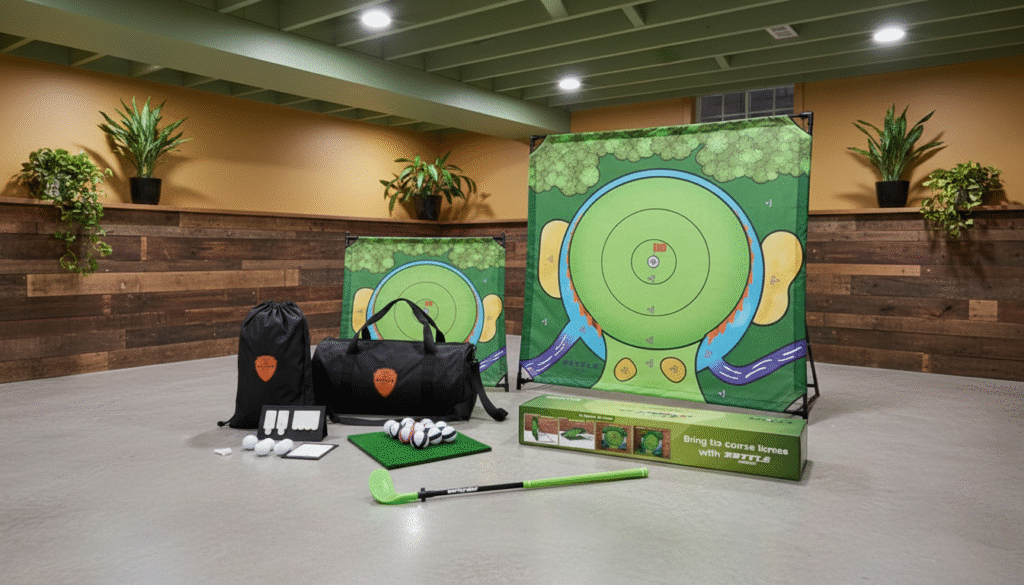
Indoor Chipping Game
A fun, competitive way for kids and parents to work on accuracy, hand-eye coordination, and bragging rights right in the living room.

Glow in the Dark Football
A super bright light-up football that makes nighttime games way more fun. Perfect for kids, teens, and anyone who wants to play long after sunset.
Why Bullying in Sports Hurts More Than Regular School Bullying

Bullying at school is painful. But bullying in sports hits differently. It happens in a space kids care about deeply. A space where they are supposed to feel safe, supported, and proud. When bullying starts inside that world, it shakes everything.
Their Identity Is Tied To The Sport
Most young athletes do not just play their sport. They become it. Their teammates, their routines, their pregame rituals, even the way they introduce themselves at school — it all grows into part of who they are. The sport becomes their social life, their confidence, their structure, and the place they feel most like themselves.
So when bullying happens inside that environment, it hits harder than it ever would anywhere else. It feels personal. It feels targeted. It feels like an attack on their identity, not just their behavior. Kids are still figuring out who they are, and sports often give them that first sense of belonging. When that belonging cracks, everything else around them wobbles.
Most adults underestimate this part. A kid who gets bullied at practice does not leave it behind when they go home. They carry it into the car, into school the next morning, into their homework, and into the next game. They start believing something is wrong with them, not the situation. That confusion is painful, and it is one of the biggest emotional impacts of bullying in youth sports.
If someone messes with a kid’s identity, I am filing an emotional penalty flag. –Coach Pigeon
A Typical Bullying Pattern A kid who laughs and talks all day at school suddenly shuts down the moment practice starts. They get quiet. They avoid eye contact. They rush through warmups and stick to the edges of the group. No one connects the dots, but the kid feels the shift in their bones.
Emotional truth Bullying in youth sports does not just hurt feelings. It shakes the foundation of who a kid thinks they are, and when identity and sport are tied together, the damage lasts far beyond the end of practice.
Mistakes Are Public
Sports mistakes do not happen quietly. They happen in front of teammates, coaches, parents, and entire sidelines full of people who notice every slip. When a kid messes up, they know instantly that everyone saw it. There is no hiding it, no walking it back, no pretending it didn’t happen. The field becomes a stage, and every mistake feels like a spotlight.
When bullying attaches itself to these moments, the shame gets amplified. Public mistakes followed by public criticism hit harder than anything that happens in a classroom. A missed pass in math class stays in math class. A missed pass in front of fifty people becomes the only thing a kid can think about on the ride home.
Sports pressure is already intense. Add bullying on top of it, and kids start feeling like every mistake is a reason for teammates to laugh or judge them. That sense of being watched, evaluated, or mocked can make kids afraid to try, afraid to take risks, and eventually afraid to show up at all.
If I see someone roasting a missed shot, I will bench you until the sun sets. –Coach Pigeon
How Bullying Shows Up in Real Life A kid misses a pass and instantly hears five kids laugh behind them. They pretend it did not happen. They keep running. They keep their eyes forward. They act like they didn’t hear the snickers or feel the sting. But the moment melts into their chest and stays there. They think about it for the rest of practice. They replay it on the car ride home. They try to shake it off during dinner. And when they finally lie down at night, that split second of laughter is the only thing they can still hear.
Why adults miss this Adults watch the play. Kids absorb the moment. Adults see a mistake that can be corrected. Kids feel the weight of everyone’s reaction and assume the embarrassment means they failed as a person, not just as a player. Adults move on to the next drill. Kids carry the moment into the next week.
Emotional truth Sports mistakes stay with kids because they happen in front of everyone. The entire field sees the moment. The bench hears it. The sideline reacts. When bullying gets attached to those already vulnerable mistakes, the embarrassment becomes the part kids hold on to. They do not remember the score or the drill or the play that came after. They remember the look on their teammates’ faces. They remember the laughter. They remember the feeling of being exposed in front of an audience. That feeling, not the mistake itself, is what drives many kids away from the sport they once loved.
Coaches Do Not Always Intervene

Some coaches do not see subtle bullying. Some are old school and believe kids should figure it out on their own. Some think teasing builds toughness. And some genuinely have no idea what is happening behind them while they are focused on drills and game plans.
But when a coach does not step in, the bullying hits twice as hard because it feels officially allowed. Kids are incredibly sensitive to power dynamics. If the adult in charge does not stop something, then to the kids on the field, it must be acceptable behavior. Silence from a coach becomes permission.
If I catch bullying during my drill, I will make everyone run until the grass files a complaint. –Coach Pigeon
Common Scenario A kid gets mocked after a drill. The coach hears it, sighs, and keeps the drill going. The kid forces a smile and pretends it did not matter. But they stay quieter for the rest of practice. They stop asking questions. They stop taking chances. By the end of the session, the kid feels smaller than when they arrived.
Emotional truth When the adult in charge does nothing, kids assume they deserve the treatment. They stop trusting the coach’s voice and start believing the voices of the kids who hurt them.
Fear Of Losing Playing Time
Kids do not speak up because they fear the consequences more than the bullying itself. They fear rocking the boat. They fear being labeled dramatic or soft. They fear being the kid who “can’t handle it.”
But the biggest fear of all is losing playing time. Losing minutes. Losing their position. Losing trust from the coach. Losing the identity they worked so hard to build.
So they stay quiet. They take the hits. They laugh off the comments. They protect their spot on the roster even when it costs them their mental health. To kids in youth sports, silence often feels safer than honesty, even when that silence hurts.
If I find out a kid stayed silent because of lineup fear, everyone is running except the kid. –Coach Pigeon
Bullying in the Wild A kid takes an insult after a drill and stays silent. They want to speak up. They want to push back. But they know that anything that looks like “drama” can threaten their place on the team. So they swallow the hurt and pretend it did not matter. They would rather take the bullying than risk being benched.
Why adults miss this Kids will risk their emotional well-being long before they risk their spot in the lineup. To adults, playing time is a coaching decision. To kids, it feels like their entire identity is on the line.
Emotional truth Kids should never have to choose between feeling safe and keeping their place on the team. When they do, the sport stops being a source of confidence and becomes a source of fear.
🔥 Real Talk
Sports are supposed to build confidence, not tear it down. They are supposed to give kids a place to grow, not a place to shrink. And they are supposed to strengthen kids, not break the ones who are trying their hardest just to stay on the field. When bullying and fear decide who speaks up and who stays silent, the sport stops being a positive force and becomes another place where kids feel small. The goal of youth sports is to develop better athletes and even better people. That only happens when every kid feels safe enough to show up as themselves.
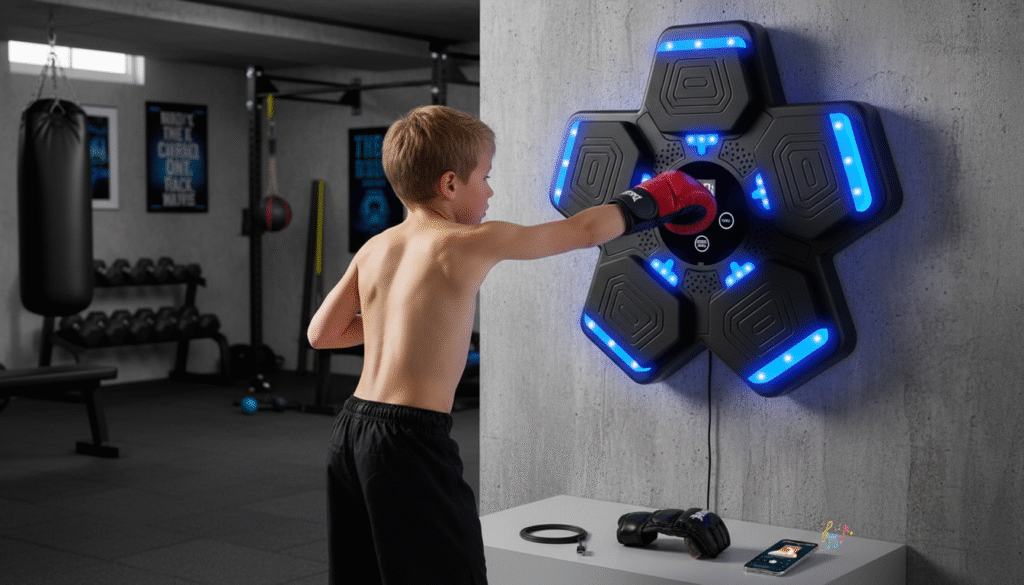
Music Boxing Machine
A smart, wall-mounted boxing trainer that lights up to the beat. Great for kids and adults who want a fun, high-energy workout at home or in the gym.
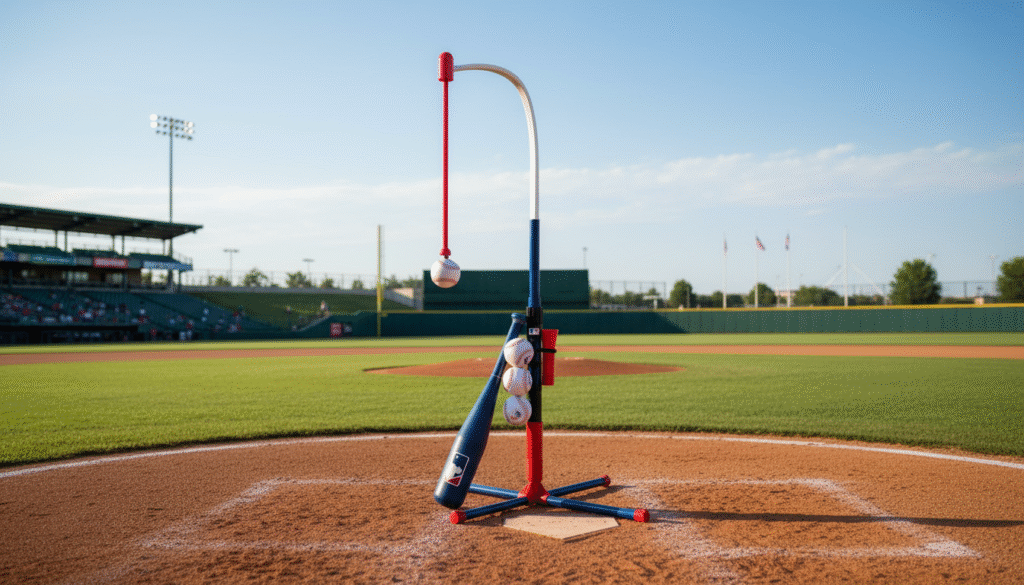
Grow With Me Batting Tee
An adjustable tee and stand set that grows with your child, making it perfect for toddlers and young players learning baseball, softball, or teeball.
Parent Reality Check. Signs Your Kid Is Being Bullied

Most kids will never come out and say the words I am being bullied. They are too scared of being labeled dramatic, too worried about losing their spot, and too unsure about whether adults will actually understand. So they hide it. They push through it. They protect their role on the team even when it costs them sleep, confidence, and their mental health.
Kids are experts at masking pain when they think it will keep them on the field. They smile through discomfort. They downplay insults. They pretend they do not hear the jokes. They convince themselves they can handle it alone because speaking up feels riskier than staying silent.
That is why parents cannot rely on what kids say. They have to rely on what kids show. The signs reveal themselves in behavior, not words. The shift happens in their energy, their tone, their routines, and the way they act before and after practice.
These are the most common early indicators.
Car Ride Personality Switch
Your kid leaves the house acting like themselves. They laugh, talk, joke around, and move with their normal energy. But after practice, they climb into the car and instantly shut down. The entire vibe changes in seconds. Their answers get short. Their face goes blank. They stare out the window as if someone turned the dimmer down on their personality.
Parents often misread this as attitude, moodiness, or being tired. But in youth sports, it is usually emotional exhaustion from something that happened at practice. Kids hold it together on the field because they do not want to draw attention to themselves. The silence hits only when they are finally in a place where they feel safe enough to let the mask slip.
One of the clearest signs is the sudden change in noise level. They blast music and crack jokes on the way there, but on the ride home, it is complete silence. No playlist. No talking. No energy. That shift matters more than parents realize, because kids rarely go quiet without a reason.
If a kid goes silent in the car, something happened that needs attention. – Coach Pigeon
Emotional truth Kids relax only where they feel safe, and the car is often the one place they drop the act. When their personality disappears the moment the door shuts, it almost always means they carried something heavy off the field that they did not know how to say out loud.
The “I Don’t Want To Go” Syndrome
Kids who love their sport usually cannot get out the door fast enough. When something is wrong, that enthusiasm disappears overnight. Suddenly they are too tired, too busy, or too sore. Every practice becomes a negotiation.
Parents often interpret this as laziness or a lack of commitment, but it is usually dread. The sport is not the problem. The environment is.
One of the most telling signs is when they ask what time practice ends before you even mention what time it starts.
If a kid who normally sprints to the field starts asking to skip, something behind the scenes is off. –Coach Pigeon
Emotional truth Kids do not avoid sports. They avoid the people who make the sport feel unsafe. When a kid suddenly wants out, it is almost never the game they are running from. It is the comments, the looks, the pressure, or the one person who turned their favorite place into something they now dread. Kids quit environments long before they ever quit activities, and the adults who miss that connection often never realize what pushed the kid away in the first place.
Disappearing Gear
Gloves go missing. Shoes are left behind. Jerseys vanish. Kids rarely lose gear for no reason. More often, they lose specific items on purpose to create a buffer between themselves and whatever they are dreading.
Parents usually chalk it up to forgetfulness, but repeated missing gear is almost always avoidance.
A common pattern is losing the same item again and again — usually the one required for the drill or position that puts them near the kid who is giving them trouble.
Lost gear is never the real problem. It is the warning signal that points to the real problem. –Coach Pigeon
Emotional truth Missing equipment is rarely about forgetfulness. It is a kid’s way of creating distance from a situation they do not feel safe in. When a child repeatedly loses the same piece of gear, it is often their silent signal that something at practice feels overwhelming, embarrassing, or painful. The lost item becomes their excuse, because explaining the real reason feels too hard.
Sudden Stomachaches

Kids who do not have the words to express anxiety often express it physically. Stomachaches, headaches, nausea, and fatigue all become the stand-ins for feelings they cannot identify yet.
Parents may assume it is nerves or drama, but repeated physical symptoms tied specifically to practice or game days are a clear sign of emotional overload.
The biggest giveaway is when the symptoms disappear the moment they are told they can stay home.
A stomachache that only appears on game days is not a medical issue. It is emotional stress trying to get your attention. –Coach Pigeon
Emotional truth The body often speaks before kids can. Stomachaches, headaches, and sudden fatigue show up long before a child can name the stress, fear, or pressure behind them. When a symptom appears only on practice days or game days, it is not coincidence. It is the body trying to protect them from something they do not yet have the words to explain.
The Big Red Flag
You do not need every sign on this list to know something is wrong. Even one repeated behavior, whether it is silence in the car, missing gear, sudden stomachaches, or a new reluctance to go to practice, is enough to pay attention to. Bullying does not usually announce itself loudly. It shows up in quiet, consistent patterns.
More than half of bullied young athletes never tell their parents what is happening. They let their behavior communicate what their words cannot. When the same pattern keeps happening, it is not an accident. It is a message.
STOP IT BEFORE IT BREAKS THEM. The Anti-Bullying Action Plan
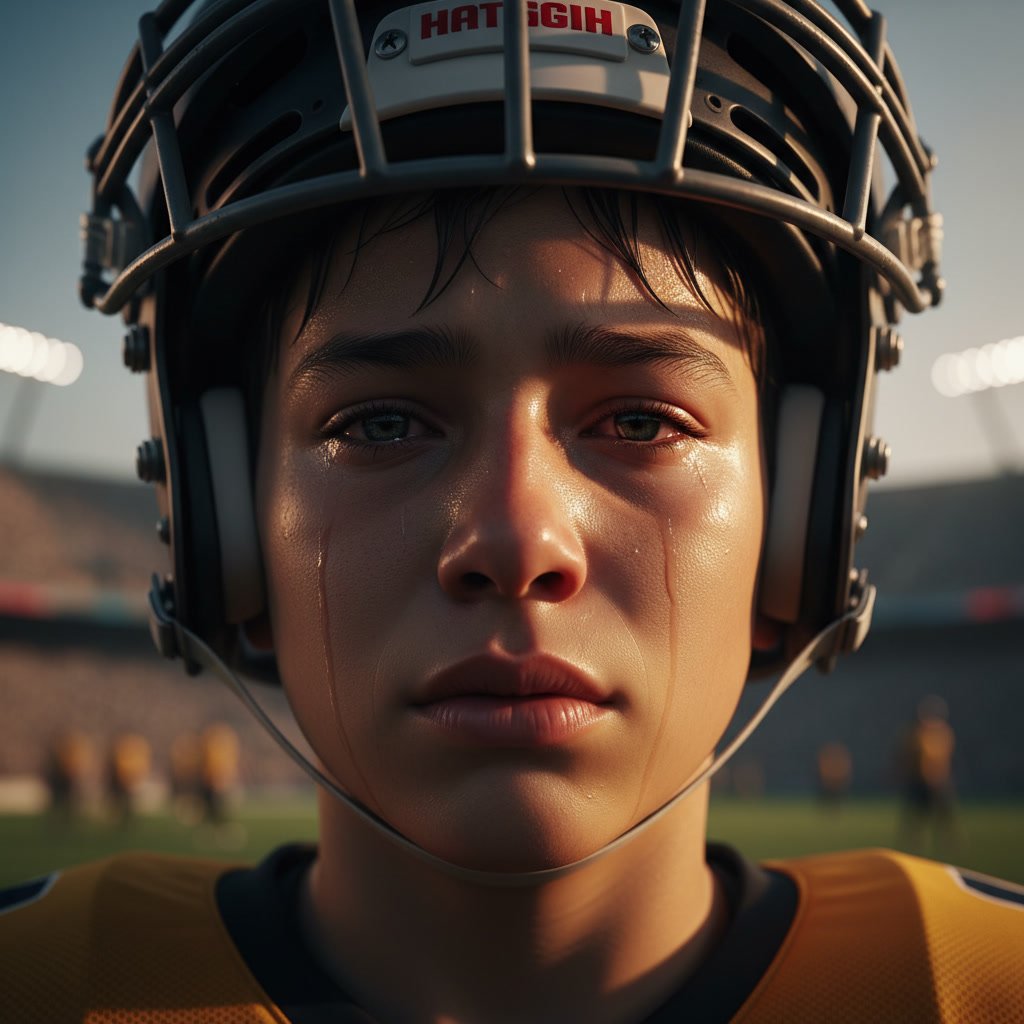
Once you recognize something is off, the priority is simple. Protect your kid before the experience becomes part of how they see themselves. You do not need a complicated strategy. You just need a clear plan, firm boundaries, and the confidence to act early.
Create a Family “No Bullying, No BS” Standard
Make it known that your home is a safe place where bullying is taken seriously and brushed off excuses are not. Kids need to know they will be believed, backed up, and protected.
Micro scenario
Your kid quietly mentions that someone keeps making “jokes” at practice. They say it casually, without looking up, testing the waters to see how you will react. Instead of responding with “kids can be mean,” you pause and say “tell me more.” You give them space. You open the door. That single response shifts the entire conversation. It tells your kid they are safe to share instead of having to carry it alone.
Why this works
Kids open up only when they feel believed, not brushed off. When you listen instead of minimizing, you show them that their feelings matter and that they do not have to handle hard moments by themselves. That trust becomes the foundation for every conversation that follows.
Teach the One-Line Comeback: “Not cool.”
Kids freeze during bullying because long responses feel risky. A single calm line, not cool, sets a boundary without escalating anything.
Micro scenario
A teammate fires off a dig after your kid misses a shot. Instead of shrinking or firing back, your kid looks up, stays calm, and says “not cool” before walking away. No drama. No escalation. Just a clear boundary set with confidence. It sends a message without adding fuel to the fire.
Why this works
Kids learn that they can stand up for themselves without matching the negativity around them. A simple boundary is more powerful than any comeback because it shuts down the behavior without turning the moment into a scene. Confidence without conflict is a skill that protects them everywhere, not just on the field.
What NOT to do
Do not teach sarcasm or comebacks that inflame the situation. Those only turn your kid into part of the problem instead of the solution.
Loop the Coach In Early
Do not wait for things to explode before asking for help. Small patterns become big problems fast, especially in youth sports where emotions run high and kids rarely speak up. Looping the coach in early turns quiet red flags into fixable issues and protects your kid long before it becomes a full team crisis.
Micro scenario
You start noticing your kid quietly adjusting their routine to avoid one specific player during warmups. They switch lines, tie their shoes longer, or drift to the opposite side of the field. Instead of brushing it off as coincidence, you bring it to the coach and ask them to keep an eye on the dynamic. That small heads-up gives the coach a chance to step in early.
Why this works
Coaches cannot fix what they do not see. When parents flag behavior patterns early, it gives coaches the opportunity to correct team culture before it spirals into something bigger.
Emotional truth
Kids often assume the tension is their fault long before any adult realizes something is wrong. Looping in the coach tells your kid they are not alone and do not have to carry it by themselves.
Document Anything That Feels Off
Keep records. Save screenshots. Write down dates and details. Trust your instincts when something feels wrong. You are not collecting evidence to start drama. You are giving yourself clarity and protection if things escalate later. Patterns only become visible when you track them, and that clarity can be the difference between a quiet fix and a full crisis.
Micro scenario
A group chat message suddenly disappears. You notice your kid gets tense. Even if the comment is gone, you screenshot the notification and the timeline around it. You save what you can, not to accuse anyone, but to make sure the situation is understood if more issues appear.
Why this works
If you ever need to involve the coach or the league, specifics move people to action. Dates, screenshots, and patterns make it impossible for anyone to brush off the problem as normal kid drama. Documentation gives adults a clear starting point and gives your kid the validation that what they experienced really happened.
Build Your Kid’s Social Shield
Kids survive hard situations better when they have at least one strong connection on the team. Even in tough environments, one genuine friendship can act like emotional armor. Help your child lean into the teammates who make them laugh, who bring out their confidence, and who treat them with kindness. Strengthening those positive relationships naturally creates distance from the kids who drain them.
Micro scenario
You realize your kid only seems relaxed and smiling around two teammates. They warm up differently, talk differently, and look genuinely happy when those players are nearby. You encourage carpooling, hangouts, shared snacks, and any extra time with those kids. You are not forcing friendships. You are helping your child gravitate toward the people who feel safe.
Why this works
One good teammate can outweigh five negative ones. A single loyal friend can turn an isolating team environment into a manageable one. Kids do not need a whole group to feel supported. They just need someone in their corner.
Know When to Involve the League
If the bullying continues, becomes more aggressive, or if the coach repeatedly minimizes it, it is time to take it higher. Leagues have rules, standards, and responsibilities that coaches must follow. When the team environment becomes unsafe, the league becomes the next layer of protection for your child. You are not escalating drama. You are ensuring accountability when the people closest to the problem fail to act.
Micro scenario
You have spoken with the coach twice. You have been calm, clear, and fair, but nothing changes. The same behavior continues and your kid is still struggling. You gather your notes, screenshots, and dates, and you bring everything directly to the director. You ask for a written plan for how the situation will be handled. Now the problem is documented and officially on their radar.
Why this works
Accountability shifts from hoping things improve to ensuring they do. Once the league is involved, the issue can no longer be brushed aside, minimized, or forgotten. It forces adults in charge to take responsibility and act quickly to protect every child on the team, not just your own.
Your Final Action Step
You do not need to fix every part of the problem in a single day. You do not need the perfect words or the perfect plan. What your kid needs most is to know you are in their corner and paying attention. When they feel backed, believed, and protected, their confidence starts to rebuild. That support alone can shift the entire trajectory of their season and remind them that they are never facing this alone.
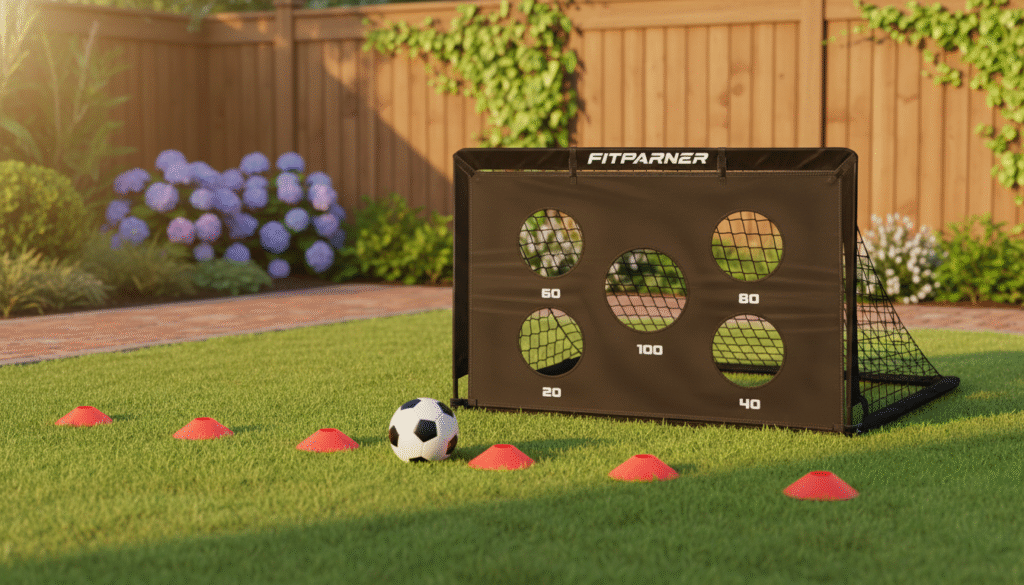
Backyard Soccer Goal Set
A portable 2-pack soccer net kit with targets, cones, and a ball. Perfect for backyard practice and youth training for ages 3 to 14.
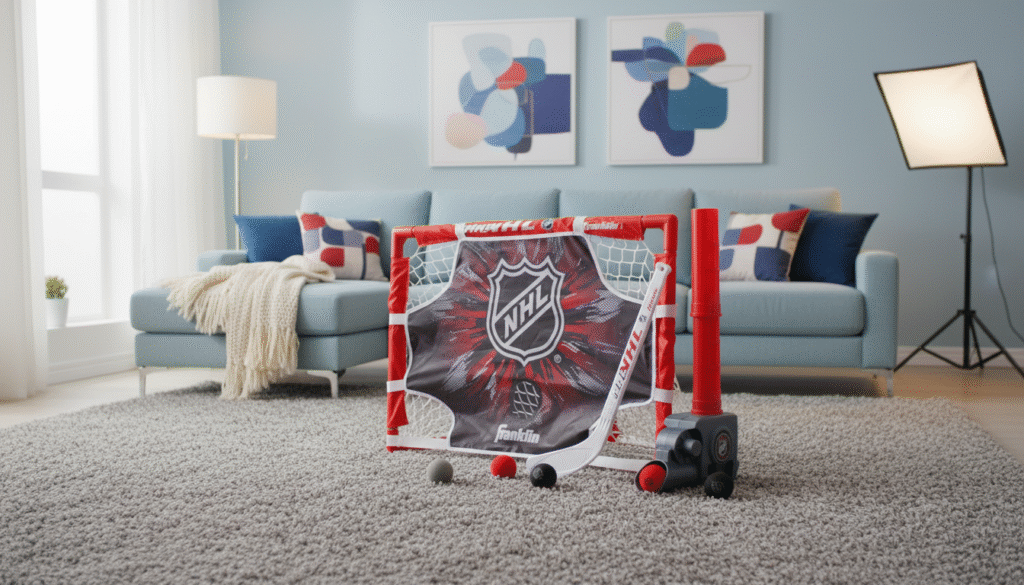
NHL Knee Hockey Goal Set
A mini hockey net and stick set with an automatic ball passer and target. Perfect for indoor fun and fast-paced knee hockey games.
The Dream Team. What It Looks Like When You Fix the Culture
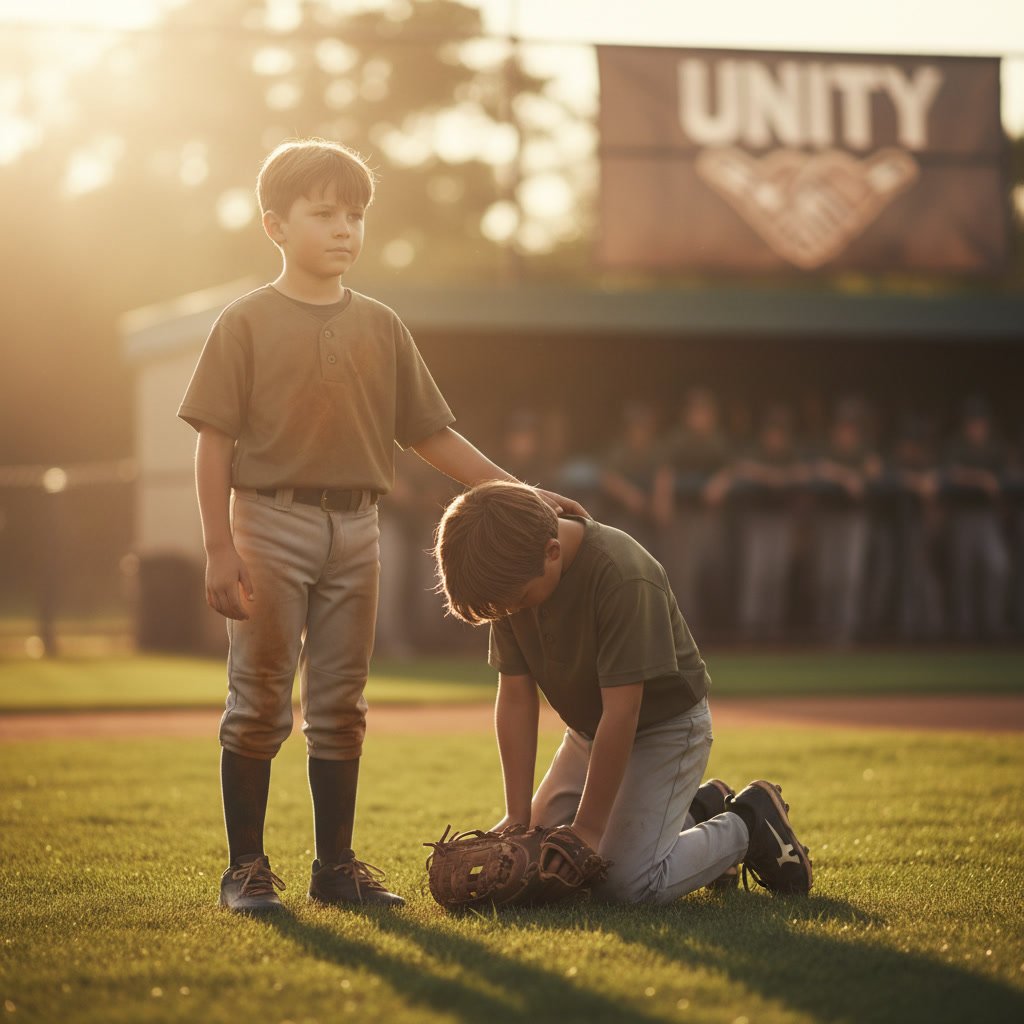
When a team’s culture is healthy, you feel it the moment you step on the field. Kids look lighter. Coaches look calmer. Parents look less like they are preparing to storm a castle. A good culture does not just change how a team plays. It changes how everyone behaves.
Celebrations
In a healthy environment, kids celebrate each other for real. They cheer for effort, not just goals. They notice the small improvements. They hype up the quiet kid who finally nails a drill. Celebrations become the default, not the exception. This kind of energy spreads fast and makes everyone feel like they belong.
No Scapegoat
Great teams make mistakes together. No one becomes the punching bag after a turnover. No kid gets the blame speech. Everyone resets and keeps playing. A team with no scapegoat is a team where kids feel safe enough to take risks and grow.
Emotional truth Kids try harder when they know one mistake will not define them. When a child feels safe to mess up, learn, and try again without fear of being shamed, they take more risks, grow faster, and actually enjoy the game. A single moment of grace can unlock effort you will never get through pressure alone.
No Group Chat Chaos
When a team has a strong culture, the group chat becomes a helpful tool instead of a digital battlefield. It’s used for reminders, memes, rides, and encouragement. There are no side chats designed to exclude someone, and no one panics when their phone buzzes.
Real Coaching
Healthy culture shows up in how coaches teach. They correct without embarrassing. They push without breaking. They explain instead of explode. Real coaching makes kids feel supported, not scared, and kids learn better when they trust the person leading them.
Supportive Parents
A strong culture reaches the sidelines too. Parents cheer for everyone instead of critiquing kids who are not theirs. They encourage effort, not perfection. They stay out of mid-play coaching. When kids glance toward the sideline, they see support instead of stress.
The Big Truth
When a team has the right culture, kids are happier, more confident, and more willing to push themselves. The environment changes the player long before the sport does. Fix the culture, and everything else falls into place.
If YOUR Kid Is the Bully

Parents Hate This Part But It Is Essential
It is never easy to imagine your kid being the one causing harm. Most parents feel defensive, embarrassed, or blindsided. But the truth is simple. Good kids can still make bad choices, especially in competitive environments where teasing and sarcasm are treated like normal team behavior. A kid being unkind does not mean they are a bad kid. It means they need guidance.
Bullying in youth sports often comes from kids trying to fit in. If the team celebrates the loudest voice, kids imitate it. If the group chat gets laughs for roasting someone, kids join in so they are not the next target. Culture shapes behavior more than personality does, and even kind kids can get swept into the wrong dynamic.
If you learn your kid has crossed the line, your job is not to panic. Your job is to lead. Start with a calm conversation about what happened, why it happened, and how the other kid might have felt. Listen fully before you correct. Then set clear expectations about behavior going forward. Follow that with real consequences that teach responsibility, not shame. After that, support them in making a sincere apology and looping in the coach so the issue is addressed, not buried.
Kids grow the most when they learn how to repair harm, not pretend it never happened. And a kid who learns accountability now becomes a stronger, kinder teammate later.
If your kid is being a bully, fix it. Do not send them to me with a Gatorade and excuses. –Coach Pigeon
Emotional truth Owning a mistake does not damage a kid’s character. It strengthens it. When a child admits they crossed a line and chooses to make it right, they learn responsibility, empathy, and leadership. Accountability does not shame them. It teaches them who they are becoming.
The Car Ride Reset Ritual
The Anti-Bullying Super Tool
The ride home after practice or games is one of the most powerful windows into your kid’s emotional world. Kids drop their guard in the car because they feel safe, unjudged, and away from teammates. With the right questions, that short drive becomes a reset button for their confidence, their mindset, and how they treat others.
The key is keeping the conversation light and encouraging. You are not reviewing their performance or grilling them about mistakes. You are helping them reflect on what went right and who they were as a teammate. These questions shift the focus away from pressure and toward growth and connection.
Ask three simple questions on the ride home. What was fun today. What did you learn. Who did you help.
They are easy questions, but they train your kid’s brain to look for joy, progress, and kindness instead of fear, comparison, and embarrassment.
Kids who answer these consistently develop stronger emotional awareness and become more supportive teammates. They also bounce back faster from tough practices and stressful games.
A five minute car ride can repair confidence, strengthen character, and stop negativity before it sticks.
Emotional truth Most kids do not need a lecture in the car. They need an anchor. They need to know that no matter what happened at practice, they are still seen, supported, and safe with you. When the world feels loud, confusing, or unfair, your calm presence becomes the place they return to. That steady reassurance does more for their confidence than any correction ever could.
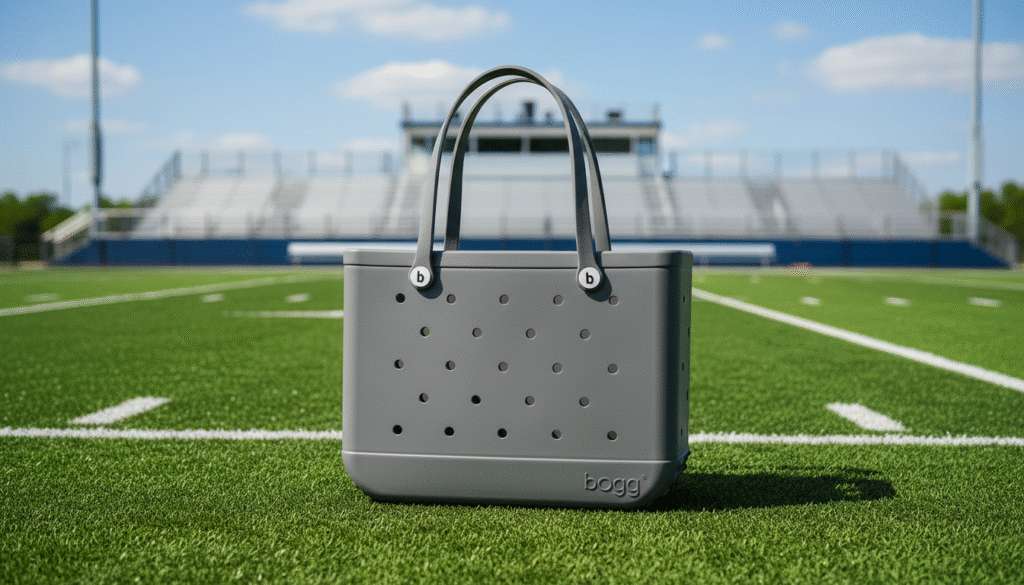
BOGG Bag
A durable, all-purpose tote that’s perfect for the beach, pool, boat, or hauling gear to every kid’s practice and game.
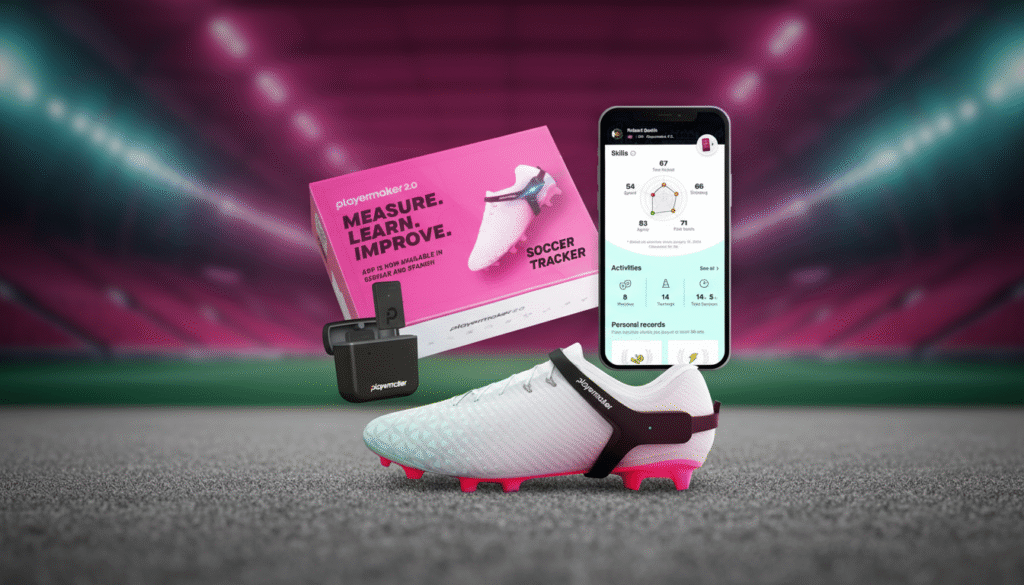
Playermaker Soccer Tracker
A next-level soccer training tool that attaches to your cleats and tracks 25 plus technical and physical metrics with unmatched accuracy. Comes with 12 months of full app access for real player development..
The Turning Point That Matters

There was a kid on the team who became the easy target. He did not start that way, but little by little the jokes began landing on him. The comments followed every mistake. The eye rolls grew louder than the cheers. On the surface he played along, but everyone could see his confidence shrinking each week.
Then something changed. Another kid finally stepped in. It was not dramatic or loud. It happened in the middle of practice when the usual joke got thrown out after a missed pass. Instead of joining in, the second kid said that is not cool and moved closer to the kid who was being targeted. It was a small moment, but it stopped the group in its tracks.
The team felt the shift instantly. The teasing did not feel harmless anymore. The coach noticed what happened and used it as an opportunity to talk about respect and how a real team treats each other. The mood from that day forward began to shift. Kids became more aware of their words, and the jokes that once stung quietly disappeared.
The kid who had been targeted started to come alive again. He played with more confidence, took more risks, and smiled more than anyone had seen in weeks. He stopped dragging his feet to practice and started talking on the field like he belonged again. The sport he was close to quitting suddenly felt safe.
Culture change does not start with a big speech. It starts with one kid deciding enough is enough and choosing kindness instead.
One brave kid can change an entire team faster than any pep talk. –Coach Pigeon
Emotional truth Sometimes the moment that saves a kid’s season is only five seconds long. A calm word, a quiet nod, or a simple “I’m proud of you” can steady a kid who feels like their whole world shook that day. Small moments carry enormous weight when a child is hurting, and those five seconds often become the reason they keep showing up.
The Win That Actually Matters
If a kid quits because of bullying, the whole team loses. You lose a teammate. You lose trust. You lose the spirit of what youth sports are meant to build. When a kid stops showing up because the environment broke them, the damage lasts longer than any losing streak. But when a kid feels safe, supported, and seen, the team wins in ways that outlive every scoreboard and every trophy.
A healthy culture is not an accident. It is built by everyone. Coaches who teach with intention instead of intimidation. Parents who cheer with care instead of criticism. Kids who choose kindness even when it feels awkward. Every small action strengthens the environment that shapes the players who grow inside it.
One act of courage. One moment of support. One shift in how teammates treat each other. That is all it takes for a kid to stay in the sport they love instead of walking away from it. Culture is built in the little things, and those little things change everything.
The real win is creating a team where every kid wants to come back tomorrow. –Coach Pigeon
Read Next: More Essential Sideline Legends Guides
Stop Yelling From the Sideline and Watch Your Kid Level Up
Why your silence is your child’s superpower and how calm parents secretly create confident athletes.
Youth Athlete Motivation and How to Bring Back the Spark
What to do when your kid’s fire is fading? Simple, science-backed steps to help them fall in love with their sport again.
Sideline Snacks That Earn You Legend Status
The unofficial cookbook of every elite team parent. Easy, travel-friendly, melt-proof snacks that make kids adore you.
Skylight Calendar Review: The Ultimate Family Schedule Hack for Sports Parents
How a 15-inch digital wall calendar stops the chaos, organizes every practice and game, and saves your sanity all season long.
FAQ: The Real Questions Parents Ask About Bullying in Youth Sports
How do I know if my kid is being bullied or just having a tough week?
Look for repeated patterns, not one bad day. Sudden silence in the car, new stomachaches, lost gear, or reluctance to go to practice are major indicators. One repeated behavior often tells you more than anything your kid says out loud.
Coach Pigeon: If the vibes change every week, it is stress. If the vibes change every day, it is a problem.
Should I confront the kid who is bullying my child?
No. Go through the right channels. Start by talking to your child, then contact the coach. Escalating directly to another kid can make the situation worse and put pressure on your own child. Adults should communicate with adults, not with other people’s kids.
What if the coach does nothing when I bring it up?
If the coach minimizes it, take it to the next level. Contact the team director, league coordinator, or program administrator. Document everything so you have a clear timeline. You are not overreacting. You are protecting your child.
Coach Pigeon: If a coach won’t step in, I will bring a whistle and an attitude.
Is it normal for kids to “joke around” like this?
Light teasing between friends is normal when everyone is laughing. Bullying is when one kid laughs and the other kid shrinks. If the jokes only go in one direction, or if a kid looks uncomfortable, isolated, or embarrassed, it is not joking. It is targeted.
What do I do if my kid is the one doing the bullying?
Handle it quickly and calmly. Kids often copy the team culture around them. Talk about what happened, set clear expectations, outline consequences, and help them apologize. Loop in the coach so everyone is aligned. Accountability is a teaching moment, not a punishment.
Parent truth: Good kids can make bad choices. What matters is how you handle it.
How do I help build a healthier team culture overall?
Start with small actions. Encourage your kid to celebrate teammates, include others, and speak up when something feels off. Support coaches, avoid sideline criticism, and model respect. Culture does not shift from one big moment. It shifts from hundreds of small ones.
Coach Pigeon: Build the team you want your kid to grow up in.