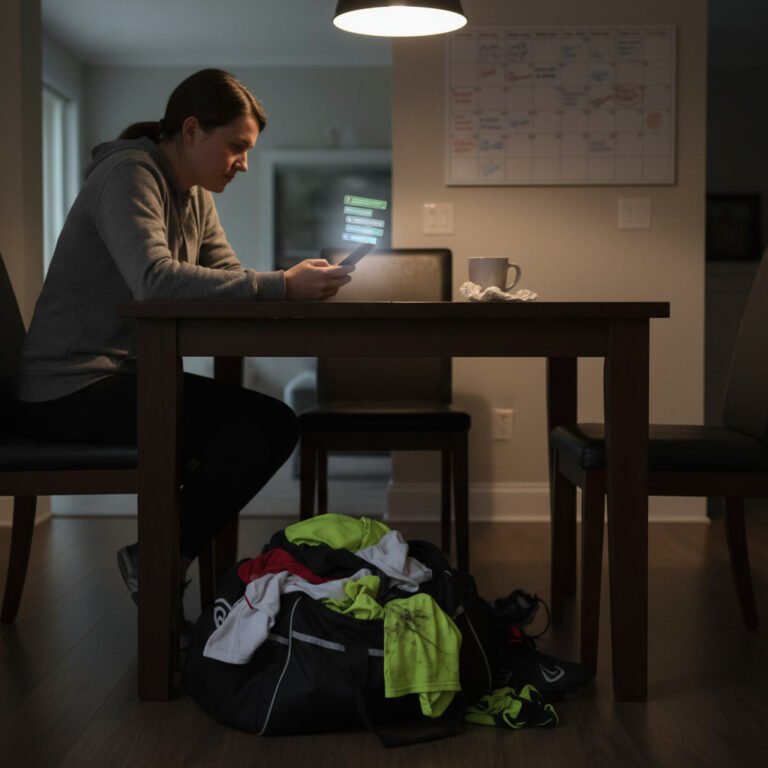

We send our kids onto the field with the calm confidence of a parent who definitely has it all together. We smile, speak softly, and offer the sacred line every youth sports parenting expert swears by. “Have fun.”
For a brief and beautiful moment, we even believe ourselves.
Then the whistle blows.
And something inside us snaps like a folding chair under a nervous uncle at Thanksgiving.
Suddenly we are pacing the sideline with the intensity of a stockbroker watching a market crash. Our eyes narrow. Our breathing changes. The whisper yelling begins. “Move your feet.” “Spread out.” “What was that.” The calm person from the driveway has vanished and been replaced by an unpaid assistant coach with unresolved emotions and way too much caffeine in their bloodstream.
Meanwhile, our kids glance over and see a completely different message. They hear “Have fun,” but they translate it with the accuracy of a toddler trying to draw a dog that looks more like a potato with legs.
This story exposes the hilarious reality of what we say, what we mean, and how wildly our kids misunderstand all of it. Honest. Sarcastic. Relatable enough to make every parent feel painfully seen.
The Performance We Give In The Driveway
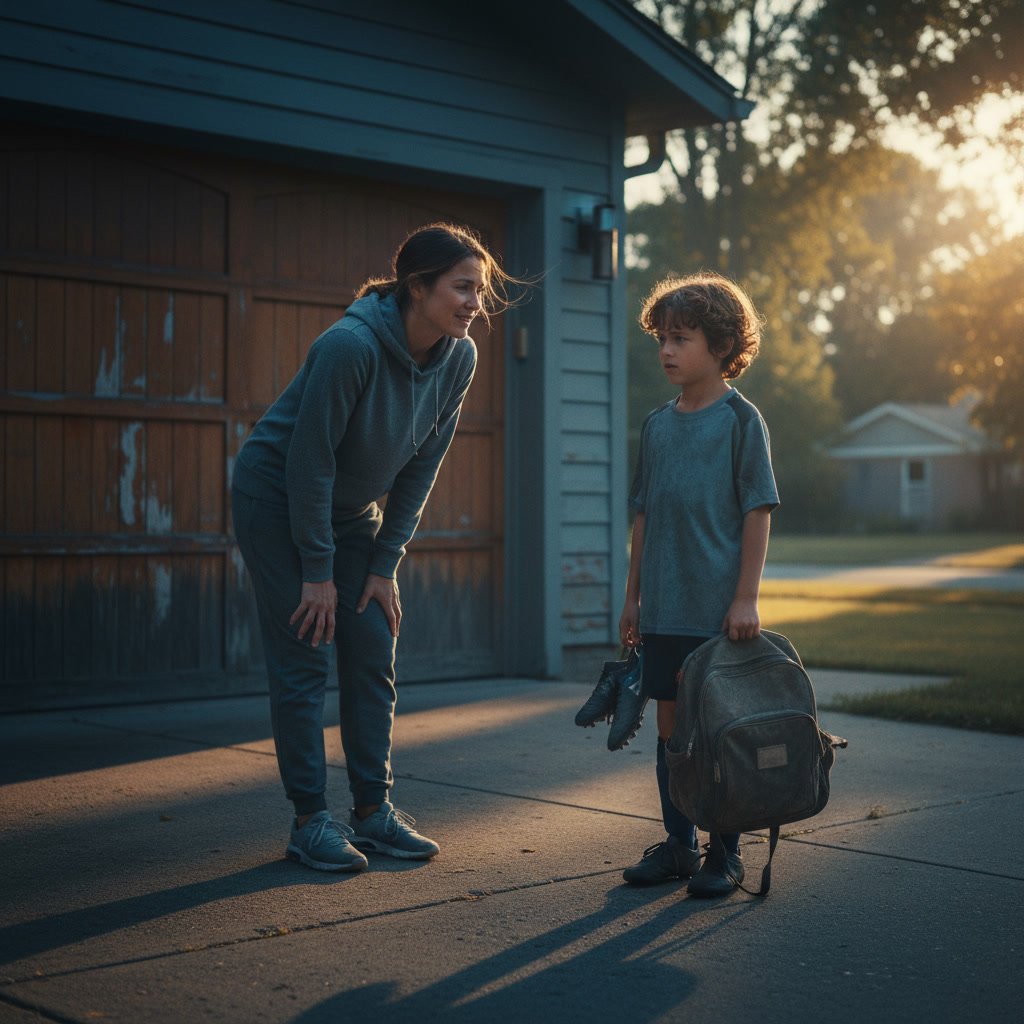
The driveway pep talk is the greatest acting job in all of youth sports parenting. This is where we transform into calm, centered adults who pretend they learned emotional regulation from a meditation monk. We smile. We breathe. We deliver the sacred words. “Just have fun.”
Parents say it like we are releasing our child into the world with wisdom and grace. Inside our heads, it is chaos.
Our real internal monologue is pure comedy. “Have fun, kid, but also try your absolute best. And maybe win. And maybe score. And if you could look confident that would be great. But also do not stress. But also do not lose the ball. But really, have fun. But also, please, for the love of snacks, win.”
Kids absorb this with the interpretive skills of someone trying to assemble IKEA furniture without instructions. They hear “have fun,” but the look we give them through the rear-view mirror tells a completely different story. It feels like a TED Talk titled “How To Thrive, Excel, Impress Your Coach, Carry The Future Of This Program, And Also Make Me Look Like I Have My Life Together.”
This is the moment where youth sports parenting becomes a full contact emotional sport. The parent sits there, nodding gently, delivering lines that belong in a parenting book.
Real parent quotes from this exact moment include:
• “Have fun. I mean it this time.”
• “It is not about winning. Except a little bit.”
• “I am calm. I am calm. I am calm. I am absolutely not calm.”
• “Remember everything I ever taught you. But relax.”
• “You are going to do great. Probably. Maybe. Hopefully.”
We pretend the driveway is a safe zone, but it is really the warm-up for the meltdown we are absolutely going to have the second the whistle blows. This is our performance. A flawless one. And we know exactly how long it lasts.
About five minutes.

Heated Sideline Throne Every Sports Parent Deserves
Cold bleachers are a nightmare. This Overmont Heated Stadium Seat fixes that with three heat levels, real back support, pockets for all your stuff, and a recline that makes long games actually bearable. Warm, comfortable, and absolutely clutch for every season. Warm up your next game day and grab yours.

The AI Camera That Never Misses Your Kid’s Best Play
The XbotGo Chameleon turns your phone into a smart, auto-follow sports camera that actually keeps up. No more shaky videos, no more missing the moment, no more “I swear it looked better in person.” Just clean, automatic tracking of every play so you can watch the game instead of filming it like a stressed-out intern. Get the XbotGo Chameleon.
The Sideline Hydration Tank Every Parent Swears By
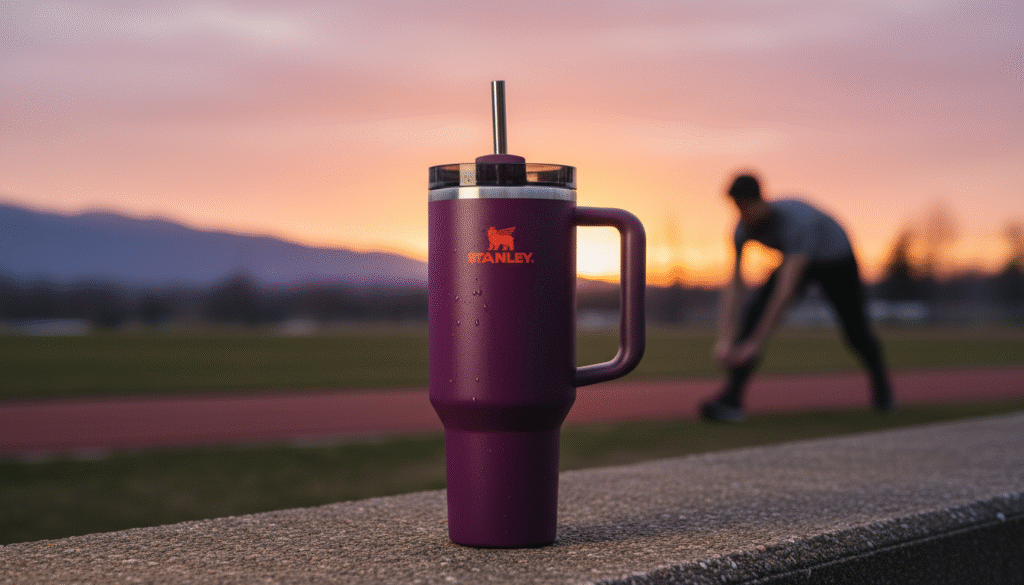
Long games, early mornings, endless driving. This 40 oz Stanley Quencher keeps your drink cold for hours, fits in the cup holder, survives being dropped on concrete, and comes with the famous flowstate lid parents are obsessed with. The Plum color is pure flex. Hydration never looked this good. Grab the Stanley Quencher.
The Five-Minute Transformation From Calm Parent To Sideline Maniac

There is a special moment in youth sports parenting when we truly believe we are going to stay calm today. It usually happens during the slow walk from the car to the field. The sky looks nice. Our coffee hits just right. We tell ourselves we will not pace, will not yell, and will not lose our minds over a missed pass made by a twelve-year-old who still forgets to put the milk back in the fridge.
Then the game starts.
And our entire personality changes.
It takes exactly five minutes for us to transform from supportive spectator into a full sideline maniac who looks like they are coaching in the national championship while earning zero dollars. The whistle blows, and suddenly we are standing with our hands on our hips, knees bent like we’re ready to sub in, and eyebrows pulled so tight they could slice through glass.
We do the whisper yell first. Every parent knows the whisper yell. Loud enough for the universe to hear but somehow still considered “not yelling.”
The greatest hits include:
“Move your feet.”
“Spread out.”
“Back up.”
“Go forward.”
“No not like that.”
“Why would you pass it there.”
“Ref what is happening right now.”
We are convinced these are helpful. Our kids hear none of them. Other parents hear all of them.
Meanwhile, our internal commentary is absolutely feral.
Real parent thoughts from this exact moment:
• “I am literally sweating and I am not even the one running.”
• “That ref definitely woke up today and chose violence.”
• “If the coach would just listen to the strategy I have telepathically sent him, we would win this by twenty.”
• “Why am I pacing like I am waiting for my name to be called in court.”
• “Someone stop me from yelling, but also I need them to hear me.”
Youth sports parenting turns mild-mannered adults into Olympic-level sideline analysts with emotional stock tied to every play. We pretend we are just “supporting,” but our Fitbit thinks we have been jogging for twenty minutes and we haven’t moved more than three feet.
The transformation is legendary.
The chaos is undeniable.
The delusion that we were going to “stay calm today” is hilarious every single time.
In youth sports parenting, pretending to be calm is a full-time performance. Every parent talks a big game about being relaxed and supportive, but the truth is we are one bad pass away from turning into a human smoke alarm.
We love telling people we are the chill parent.
We say it with confidence too.
We say things like, “I don’t get worked up. It’s only a game.”
Meanwhile our Apple Watch thinks we are running wind sprints.
We claim to stay calm for three noble reasons.
We say it is for our kid’s confidence.
We say it is so they can play without pressure.
We say it is because we “just want them to have fun.”
But here is the actual truth behind the fake chill.
We are terrified of being the sideline parent everyone whispers about.
We do not want to star in a viral video titled “Parents Gone Wild.”
We do not want to be the parent coaches immediately identify during tryouts.
And we definitely do not want our kid to look over and see us losing our mind like a raccoon fighting a trash can.
So we put on the performance.
We stand with our arms crossed like we are calm.
We nod politely at the coach.
We pretend to be listening when other parents talk about their week.
But inside, it is a psychological war zone.
This is the real internal dialogue:
• “Stay calm. They are doing their best. Breathe. No you know what, they should have made that pass.”
• “I am not yelling. I am communicating through intense eye contact.”
• “Everyone thinks I am chill. Meanwhile I am seconds from offering unsolicited coaching tips.”
• “If the ref misses one more call, I will simply ascend above the field.”
• “I am totally relaxed. I am also sweating through my hoodie.”
Youth sports parents are not chill.
We are trying to be chill.
There is a difference.
The funny part is that the more we try to act calm, the more obvious it becomes that we are unraveling internally. We chew our lip. We shift our weight. We do the tiny bounce on our toes. We exhale like we are blowing out birthday candles on a cake we did not want.
The chill is fake. The effort is real.
And honestly, it makes youth sports parenting even more hilarious and relatable.
How Kids Interpret Our Pep Talks With Wild Inaccuracy
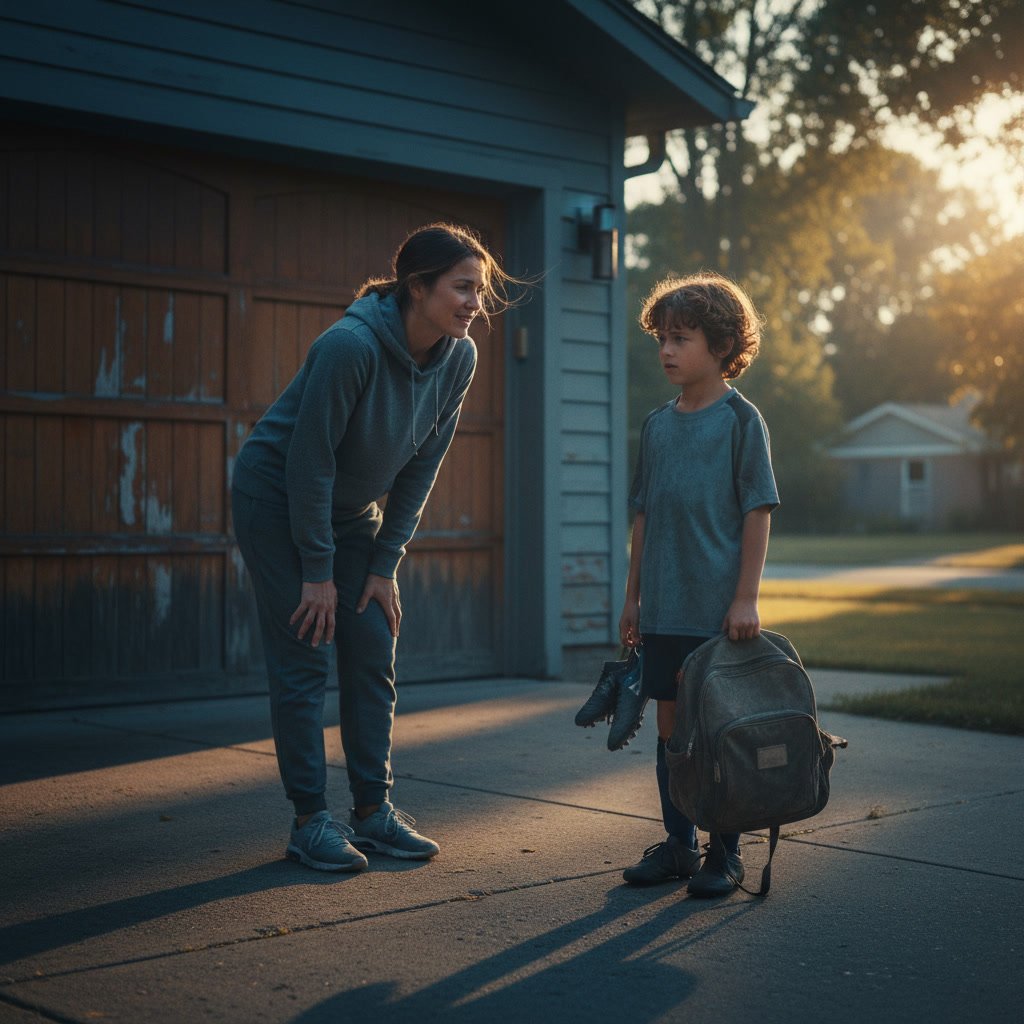
Kids interpret pep talks the same way they interpret dreams about talking animals. Nothing comes through clearly. Everything is symbolic. And somehow the message ends up being ten times more dramatic than anything we actually said. In youth sports parenting, we walk into the conversation thinking we are delivering calm wisdom. They walk away acting like they have been chosen for a secret mission by the government.
We start with our gentle parent voice. The soft tone. The slow nod. The smile that says we are emotionally stable even though our bloodstream is 60 percent caffeine and anxiety. We say “have fun” like we are handing them a stress-free Saturday. But kids do not hear “have fun.” They hear the tone behind it. They hear the shakiness in our voice that we pretend is just a cold. They see the little eye twitch we do not notice. They catch the tiny, tiny pause before we say the word fun, and suddenly the pressure triples.
So their brain rewrites the message.
They run internal subtitles on everything we say.
And those subtitles are absolutely unhinged.
We say “no pressure” and the subtitles read “great pressure is upon you.”
We say “do your best” and the subtitles read “you better impress the entire county.”
We say “mistakes happen” and the subtitles read “mistakes better not happen today.”
Then they walk onto the field with the emotional energy of someone preparing to land a plane.
Meanwhile, we think the pep talk went perfectly.
We think we sounded patient.
We think we looked calm.
We think we finally mastered the art of balanced parenting.
And we are so unaware of the chaos happening in our kid’s head. They are replaying the conversation like a detective analyzing clues. They remember the way we blinked. They remember the weird little inhale we made. They remember the nervous lip twitch that we swear we did not make. Their brains turn those details into an entire psychological thriller. They take our light-hearted talk and interpret it like an encrypted prophecy.
The funniest part is that we do not mean any of it. We literally want them to have fun. We want them to breathe. We want them to feel free. But our kid walks onto the field feeling like they need to avenge the family tree and defend our household honor.
This disconnect is what makes youth sports parenting so amazingly chaotic. Parents think they are giving a soft pep talk. Kids think they are receiving final instructions before entering battle. The miscommunication is so universal that every parent on earth can relate to it instantly.
And honestly, the misunderstanding is part of what makes these weekends unforgettable.
“Parents say have fun. Kids hear do not fail me. And somehow the game has not even started yet.”
The funniest part is that the pep talk confusion is only the warmup. The real chaos starts when the game ends and we all have to face the most dangerous moment in youth sports parenting: the car ride home.
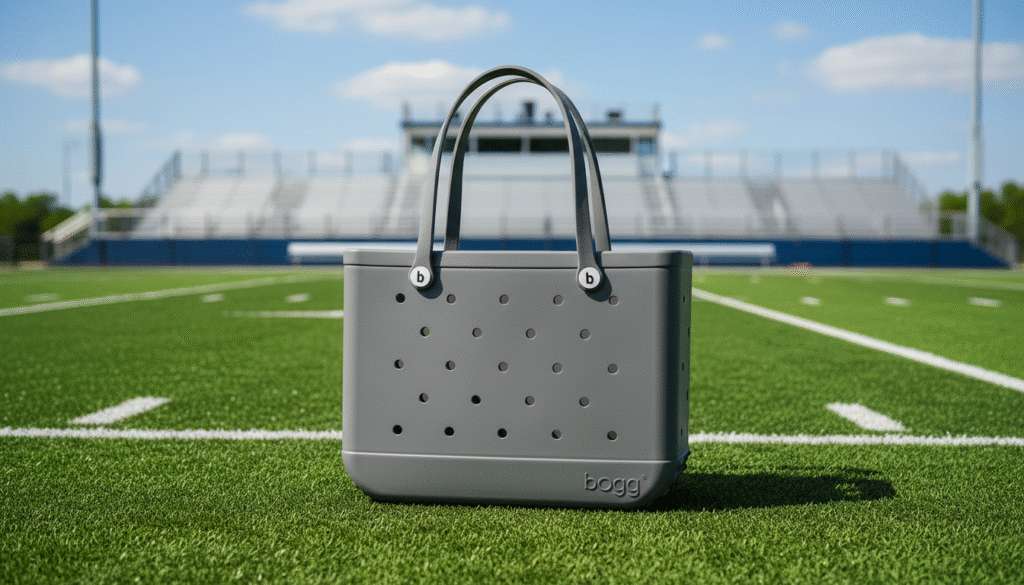
sideline bag that holds your entire chaotic life
The BOGG Bag carries everything. Snacks, blankets, layers, drinks, random kid items, you name it. It is waterproof, wipe-clean, impossible to destroy, and big enough to handle the chaos of any game day. Get your BOGG Bag.
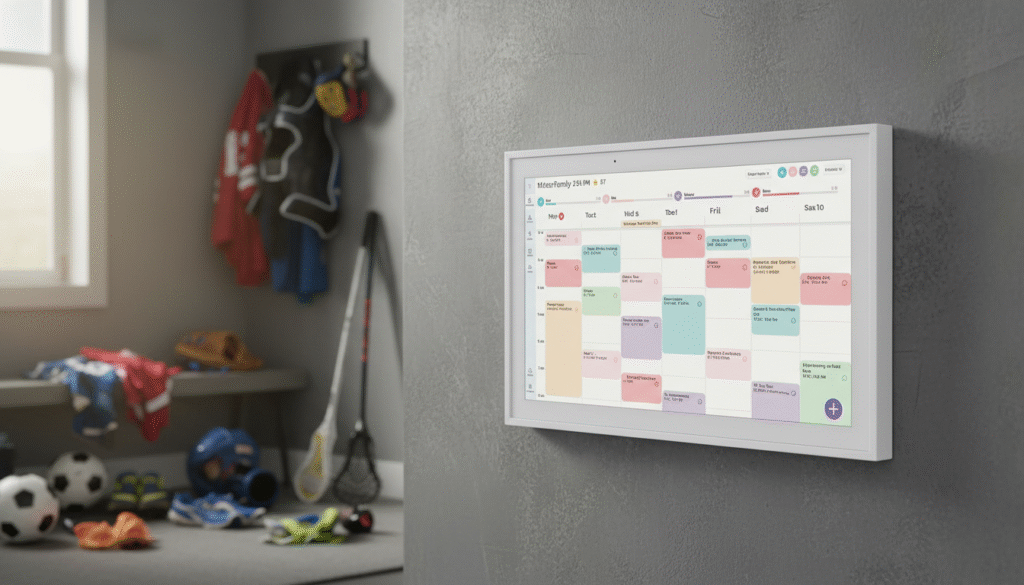
Family Command Center Every Sports Household Needs
The Skylight Calendar keeps every practice, game, appointment, and chore in one clean digital display. Touchscreen, wall-mounted, kid-friendly, and impossible to ignore. It turns total schedule chaos into an organized, sanity-saving system. Get the Skylight Calendar.

Portable Lifesaver Every Parent Must Carry
A full day of games will destroy your battery. This 50000mAh power bank keeps your phone alive for filming highlights, checking schedules, texting coaches, and surviving long tournaments. Fast charging, built-in cables, and enough power to last the whole weekend. Grab this power bank.
The Car Ride Home: Where Every Parent Tries Not To Ruin Their Child’s Entire Childhood
The car ride home is where youth sports parenting becomes a survival skill. The second the doors close and the seat belts click, the entire mood shifts. The game is over, but the emotional aftershocks are still vibrating through the car like the leftover buzz after a fire alarm. Parents grip the steering wheel. Kids stare out the window pretending they are in a dramatic movie scene. No one knows who should talk first. No one wants to trigger a meltdown. It feels less like transportation and more like diffusing a bomb.
We begin with the safest questions we can think of, hoping we sound casual.
“How did it feel out there.”
“You hungry.”
“Want to talk about anything.”
But kids do not hear those questions the way we intend them. They hear our tone, analyze our breathing, inspect every micro-expression on our face, and decide whether we are asking out of curiosity or disappointment. They interpret silence as judgment and eye contact as emotional interrogation. Parents are simply trying to get home without causing trauma, and kids are acting like we are conducting a postgame investigation for the FBI.
Inside our own heads, it is a fight between instinct and strategy.
We want to break down the game.
We want to help them improve.
We want to explain the play they missed.
We want to talk about effort, confidence, angles, spacing, all of it.
But we know better.
We know that one wrong sentence can turn the car into a therapy session we did not mean to start.
So we sit there trying to pretend we are calm. We sip our drink like it is a stress antidote. We stare straight ahead. We breathe like we learned it in a yoga class that we never actually attended. Every comment feels risky. Silence feels risky. Even turning up the radio feels risky. It is a delicate dance between love, worry, pride, and the universal fear of becoming the reason our kid quits the sport forever.
Eventually the tension cracks. Sometimes it is a sigh. Sometimes it is a joke. Sometimes it is the kid announcing that their sock feels weird. And just like that, the storm breaks. The air clears. The pressure dissolves. The car feels normal again. You exhale like you just defused something explosive. You survived another one.
The car ride home is a test no one warns you about. It is awkward and delicate and universal. And it is often where the most important parenting happens, even when we say almost nothing.
“The car ride home is where parents learn that saying nothing is sometimes the hardest coaching they will ever do.”
And once everyone finally breathes again, parents face the next impossible challenge in youth sports parenting: pretending we did not age ten emotional years in one game.
The Moment We Realize We Might Actually Be The Problem

There comes a point in youth sports parenting when we are forced to confront a painful truth. We are not nearly as calm as we pretend to be. The moment usually sneaks up on us. One second we are standing quietly with our arms folded, thinking we look composed and supportive, and the next second we catch ourselves leaning so far forward that it looks like we are trying to physically drag our kid across the field using pure telekinesis.
The realization hits in small flashes.
Maybe it is the way another parent glances at us when we make that weird half-gasp, half-growl noise during a missed shot.
Maybe it is the way our kid looks over with that expression that says they can literally feel our anxiety from fifty yards away.
Maybe it is the referee giving us the same exhausted look people reserve for malfunctioning electronics.
We tell ourselves we are helping. We say things like “I am just encouraging them.” But deep down we can feel the truth bubbling up. We are pacing. We are fidgeting. We are clenching our jaw so tightly our dentist is about to buy a vacation home off us. We are putting out enough nervous energy to power a small village.
Then comes the internal replay.
We think back through every moment of the game like we are reviewing game tape.
Did I make a face I should not have made.
Did I yell something I thought was subtle but absolutely was not.
Did I clap in a way that suggested disappointment.
Did I accidentally mutter a full paragraph under my breath.
Did I exhale too loudly and cause a child to question their entire identity.
We always promise ourselves we will do better next time.
Next time we will stay calm.
Next time we will not hover.
Next time we will not communicate entire coaching philosophies through frantic eyebrow movements.
Next time we will behave with grace and maturity.
But every parent knows next time will look exactly the same.
Because caring fiercely about your kid is not something you switch off.
Even when we try to be cool, the emotional investment leaks out of us like steam from a pressure cooker.
This moment of self-awareness is part of the comedy of youth sports parenting. We know we are ridiculous. We know we overreact. We know we look like a stockbroker in a market crash every time the ball goes near our kid. And we know we will probably do it again next week.
Owning it somehow makes it all even funnier.
“Every parent swears they are the calm one until they see their kid miss a pass and suddenly they morph into a full-time sideline life coach with zero self-control.”
And once we admit we are part of the sideline chaos, we start to notice just how many universal parent behaviors we all share, almost like we attended the same unspoken training camp for losing our minds in public.
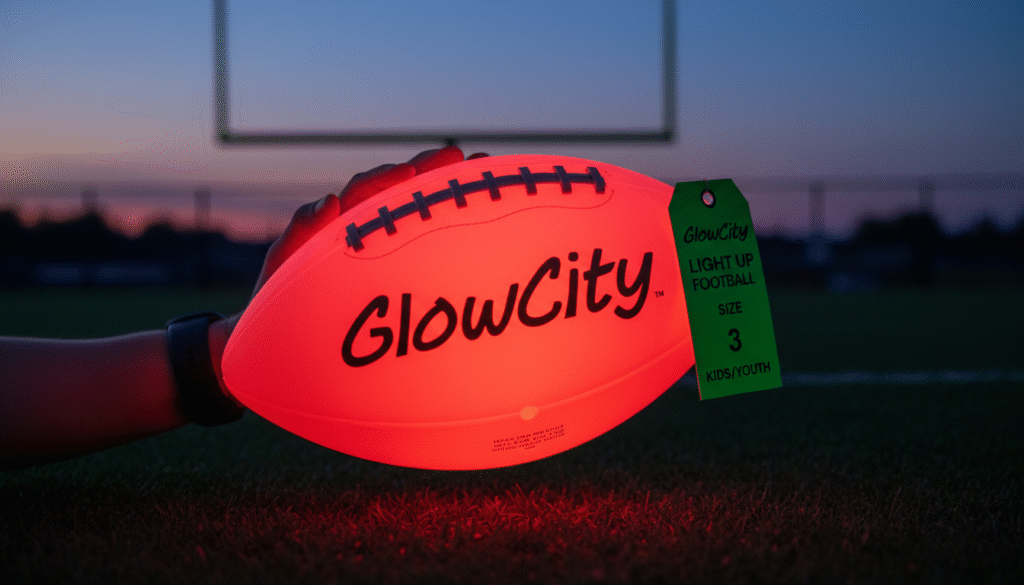
The Glow-In-The-Dark Football
This GlowCity football lights up like a mini stadium, making backyard games actually exciting after sunset. Kids love it, teens love it, and parents do too because you can finally see where the ball went. Bright, durable, and perfect for night practices, parties, or burning off energy before bed. Get the GlowCity football.
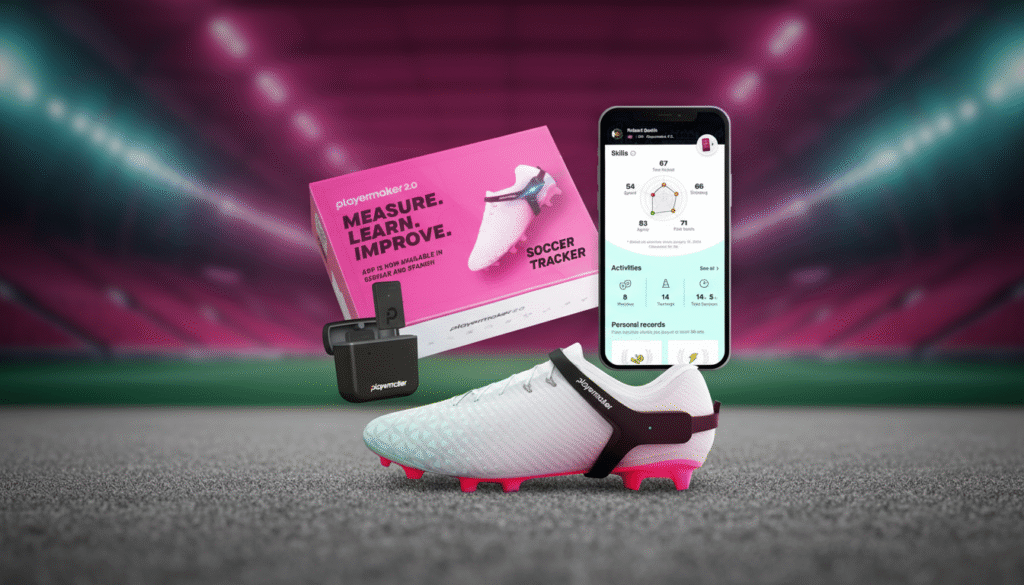
The Smart Soccer Tracker
Playermaker 2.0 clips onto your cleats and tracks every touch, sprint, turn, and stat with insane accuracy. It goes beyond GPS, giving your athlete 25 plus real performance metrics that actually matter. Perfect for serious players, motivated kids, and parents who want real progress, not guesswork. Get Playermaker 2.0.

The Overnight Pimple Patch Every Parent Swears By
Mighty Patch works while you sleep. Just stick one on and it flattens whiteheads fast, no picking, no redness, no drama. It is quick, clean, and perfect for parents who need clear skin without adding another step to their already overloaded routine. Grab Mighty Patch.
Signs You Are the “Have Fun” Parent Who Absolutely Lied

There comes a moment in youth sports parenting when we finally admit we are not fooling anyone. We walk into every game with the calm confidence of someone who has read seven parenting books and watched three inspirational Instagram reels. We say “have fun” like we mean it. But the second the game starts, the signs begin stacking up like evidence in a courtroom.
The first sign is the stance. The forward lean. The hands on hips. The arms folded so tightly it looks like we are trying to keep our organs from falling out. We claim we are just “getting a better view,” but our posture says “I am emotionally tethered to every movement my child makes.”
Then comes the pacing. Every parent swears they are calm, yet we rack up more steps on the sideline than the entire team does on the field. We move in short, agitated laps that we call stretching. Everyone knows that is a lie. That is anxiety disguised as cardio.
The facial expressions are even worse. Parents try so hard to smile supportively, but our faces betray us every time. We get the tight-lipped grimace. The raised eyebrow that says “really.” The involuntary head tilt that looks like our soul left our body for a second. We think we look neutral. We look like malfunctioning robots trying to process emotion.
And then there are the noises. The little grunt when a pass goes the wrong direction. The inhaled gasp that somehow travels across the entire field. The “oh come on” we swear was whispered but echoes like it was delivered by a megaphone. The soundscape of a sideline is ninety percent parents pretending they are not losing it.
The final, inescapable sign is the story we tell ourselves after the game. We swear we were calm. We swear we were supportive. We swear we let the kids play. But deep down we know we reacted to every play like we were watching the final scene of an action movie. No parent leaves the field thinking, “I was completely normal today.” We leave thinking, “At least no one filmed me.”
These signs are universal. They are hilarious. They are unavoidable. And they expose the truth every parent pretends not to know. We say we want our kids to have fun, but our entire body tells a different story the second the whistle blows.
“Parents yell have fun, but their body language screams I have never been chill a day in my life.”
And once we finally recognize just how unhinged we truly look from the outside, we can finally appreciate the emotional punch that sneaks up on every parent when the season marches on.
The Moment It Hits Us: These Sideline Years Do Not Last Forever

There is a moment in youth sports parenting that sneaks up on every parent. It never happens during the big wins or the heartbreaking losses. It happens on an ordinary day, usually one when we are rushing, sweating, juggling snacks, chairs, mismatched socks, and half-finished coffees. We are deep in the chaos, doing what we always do, and then something small breaks through the noise.
Maybe our kid jogs past and flashes a smile.
Maybe they laugh with a teammate.
Maybe they wave even though they pretend they are too old to wave.
Maybe they glance toward us just to make sure we watched.
And suddenly everything freezes for a split second.
Because something inside us recognizes the truth.
This will not last forever.
One day the early mornings will disappear.
One day the gear will not be dumped in the hallway.
One day the water bottles will not clutter the back seat.
One day we will not be driving across town like unpaid Uber drivers fueled by caffeine and hope.
We spend so much time navigating the chaos that we forget how quickly it is all slipping through our fingers. We think there will always be another season, another tryout, another tournament, another chance to yell “move your feet” like unhinged sideline maniacs. We assume there will always be another moment to teach them, encourage them, protect them, and worry about them in ways we never admit out loud.
But then the seasons start stacking up.
The jerseys get bigger.
The games get faster.
The car rides get quieter.
The kid who once needed help tying their cleats suddenly walks ahead with teammates, not even looking back.
And that is when the emotional punch lands.
The chaos was never the burden.
The chaos was the privilege.
All the pacing, all the whisper yelling, all the stress that made us question our sanity — it came from a place of love so intense we sometimes did not know where to put it. These messy, noisy, stressful Saturdays are the chapters we will replay long after our kids move on to high school teams, college teams, or no team at all.
“You think you will remember the scores, but what stays forever is the way your child always looked to make sure you were watching.”
One day the sideline will be empty.
One day we will miss the cold mornings and the muddy fields.
One day we will miss the look they give us after a good play or a tough one.
One day we will miss being the person they scanned the crowd for.
And when that day comes, we will wish we could go back to one more game.
One more whistle.
One more chance to cheer like lunatics.
One more moment where our only job was to show up and care way too much.
This is the quiet truth beneath the madness.
These are the years we will carry with us forever.
And we will miss them more than we can ever explain.
⭐ READ NEXT
If you made it this far, you are officially part of the unhinged, sleep-deprived, emotionally overstimulated society known as youth sports parents. And now that you are fully in the chaos with the rest of us, here are the next stories you will want to dive into:
The Ten Commandments Of Youth Sports Weekends
A survival guide for parents who have accepted their fate as snack coordinators, travel managers, emotional support animals, and part-time meteorologists.
11 Best Gifts for Sports Moms They Will Actually Use
A brutally honest guide to the gear, gadgets, and essentials that make every sports mom feel like the MVP she already is.
The Hidden Cost of Travel Sports: Time, Sanity, and Gas Money
A full breakdown of the financial, emotional, and psychological chaos behind weekend tournaments and why we keep doing them anyway.
Coachable Kids: From Chaos to Comeback in a World That Never Stops Yelling
A must-read for parents who want to raise resilient, coachable, confident kids in an environment where everyone has an opinion and no one is calm.
⭐ FAQ: Youth Sports Parenting
What is the hardest part of youth sports parenting?
The hardest part of youth sports parenting is managing the emotional intensity that comes with caring so much. Parents want to support, guide, protect, and stay calm, yet the environment is chaotic and unpredictable. Balancing love, expectations, and self-control becomes its own athletic event, even before the game begins.
How do I avoid putting too much pressure on my child during games?
One of the biggest challenges in youth sports parenting is keeping your support light and pressure-free. Kids feel everything, including your body language and sideline tension. Staying relaxed, cheering positively, and saving detailed feedback for later helps your child feel confident without feeling analyzed.
Why does my child seem nervous before games even when I am supportive?
In youth sports parenting, kids pick up on subtle emotional cues that parents do not realize they are giving off. Even when you are being supportive, children read tone, energy changes, and tiny expressions. Their nerves mix with your presence, which makes pregame moments more intense. Consistent reassurance and calm energy go a long way.
How should I talk to my child after a tough game?
The car ride home is one of the most delicate moments in youth sports parenting. Keep conversations simple and supportive. Ask how they feel, let them take the lead, and avoid turning the drive into a performance review. Emotional space helps them recover faster than any coaching advice.
Why do parents get so emotional on the sideline?
Youth sports parenting is emotional because it combines love, pride, investment, and the desire to see your child succeed. Parents react strongly because they care deeply. The intensity comes from wanting their child to feel confident, capable, and joyful in a competitive environment.
How can I enjoy youth sports without losing my mind every weekend?
Enjoying youth sports parenting requires acceptance, humor, and perspective. Embrace the chaos, build friendships with other parents, laugh at the stressful moments, and remember that these seasons are temporary. The more you focus on connection instead of perfection, the more fun you will have along the way.